
MOZOM-analyse
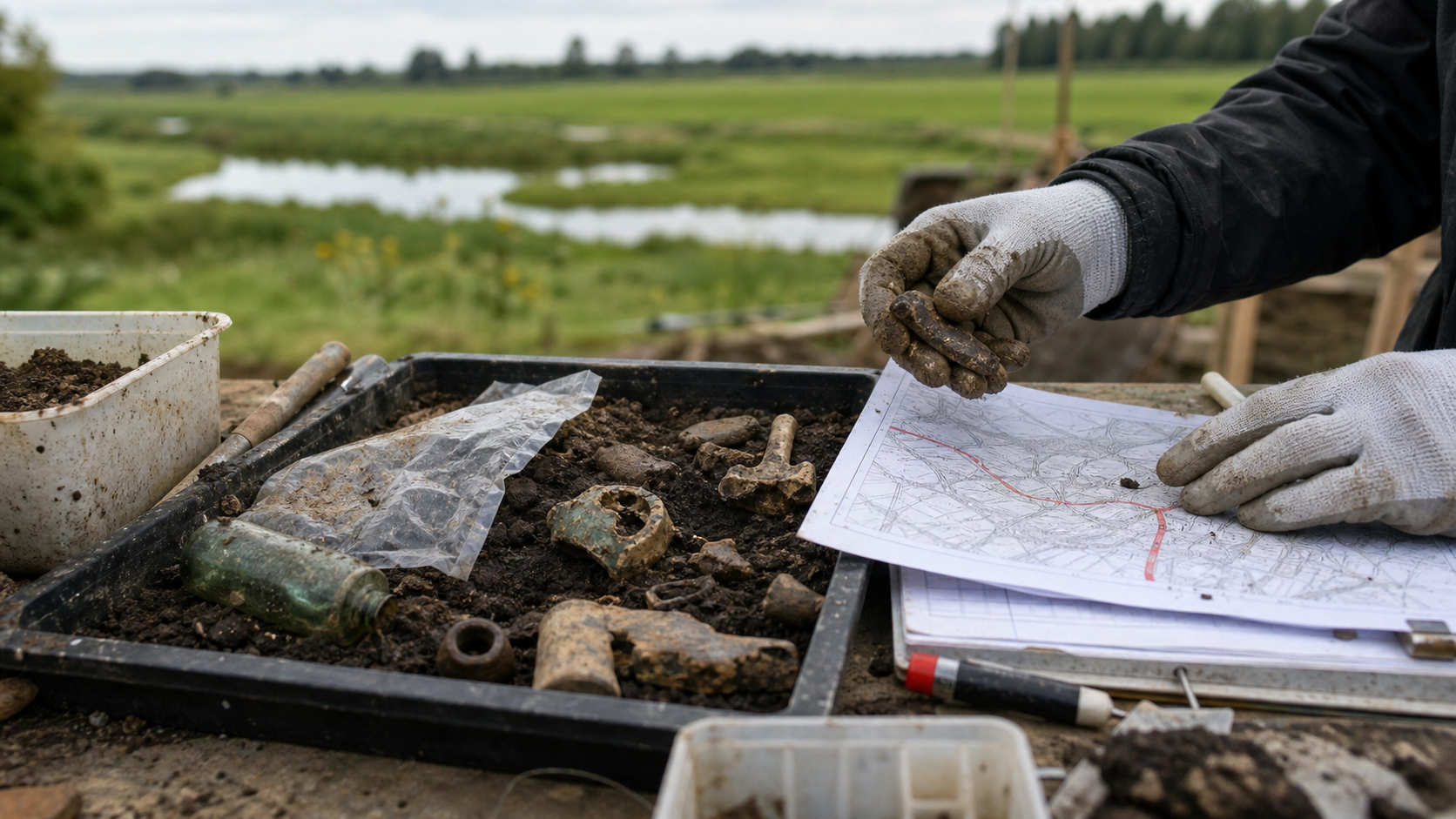
Archaeologists find thousands of objects during excavations in Drenthe Beekdal
- Source
- NOS.nl
- MOZOM headline
- Archaeologists find thousands of objects during excavations in Drenthe Beekdal
- Original headline
- Archaeologists find thousands of objects during excavations in Drenthe Beekdal
- Author
- Redactie NOS
- Date
- Tue, 9 Jun 2026 21:16:09 +0200
- Subject
- Archaeological finds in the Nieuwe Drostendiep stream valley near Emmen.
Summary of the original report
NOS.nl reports that archaeologists have found more than three thousand historical objects during work in the Nieuwe Drostendiep stream valley. These are objects from several periods, from the Stone Age to the Second World War. The province calls hundreds of finds special, including a gold ring and a fibula. The finds are further examined and cleaned. Later we will look at how they can be shown to the public.
Notable in this report
The emphasis is on exceptionality, quantity and historical value. Words such as very special and exceptionally good condition direct attention to wonder and cultural importance. The article presents the find mainly as positive heritage news.
Less visible context
What remains underexposed is how exactly the finds are selected, who decides what is shown to the public and what tension there can be between nature development, construction projects and archaeological conservation. It also remains limited to see how many comparable studies have less spectacular results.
Possible message behind the news
A possible reading is that archeology is presented here not only as a science, but also as confirmation of regional identity and historical continuity. Between the lines, the impression emerges that spatial interventions gain more support when they make unexpected heritage value visible.
Neutral conclusion
The article is not only about archaeological objects, but also about how heritage becomes newsworthy as soon as it becomes tangible, rare and locally recognizable.