
MOZOM-analyse
MOZOM analysis: return to rescued lignite villages in Erkelenz shows how energy transition only becomes really complicated when conservation must also prove affordable
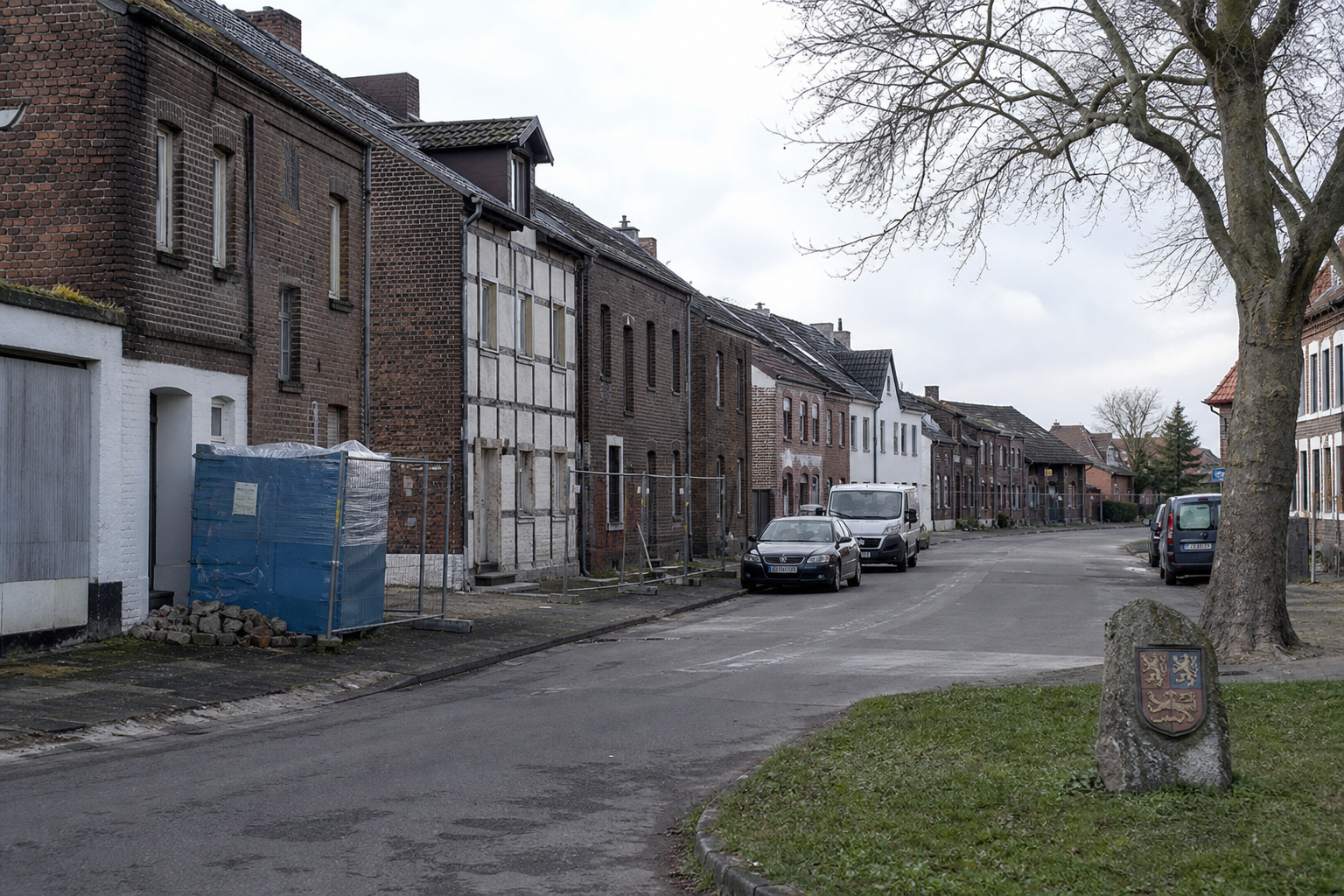
- Source
- Der Spiegel
- MOZOM headline
- MOZOM analysis: return to rescued lignite villages in Erkelenz shows how energy transition only becomes really complicated when conservation must also prove affordable
- Original headline
- Braunkohledörfer in Erkelenz: Rückkehr in gettetete Orte wird zur Kostenfrage
- Author
- Redactie Der Spiegel
- Date
- 21 juni 2026 om 12:18
- Subject
- Der Spiegel describes how return to rescued lignite villages around Erkelenz is increasingly becoming a cost issue, bringing together climate policy and quality of life in the question of who finances recovery.
Summary of the original report
Der Spiegel writes that returning to rescued lignite villages in Erkelenz is increasingly becoming a cost issue. This shifts the story from victory to execution. Saving villages from excavation or demolition is politically and emotionally meaningful, but this does not restore infrastructure, housing, facilities and trust. For international readers, it helps to clarify that lignite regions in Germany have long been about extraction, relocation, and conflict between energy security and climate pressures. Precisely for that reason, this return discussion shows that energy transition does not end with stopping an intervention, but continues with the much more difficult question of who will finance the new normality.
Striking in this message
It is striking that the cost question is now taking center stage. This makes the subject concrete, but also shows how quickly moral or symbolic gains are reduced to budget reality. The news therefore shifts from rescue to bill.
Nuance that is often missing
What is less visible is that villages do not only consist of buildings. Return also depends on social networks, confidence in future policy, facilities and whether residents believe recovery is sustainable. This makes this case broader than local living: it shows how difficult it is to build a viable second chapter after major energy conflicts.
Possible message behind the news
A possible message behind this news is that stopping demolition is not the same as building a future again. In plain language: a saved village is only really saved when people can credibly live, work and return there again without that promise proving financially empty.
Neutral conclusion
The message therefore shows that the villages around Erkelenz provide a broader lesson about energy transition. It is not the rescue moment alone, but the costly phase afterwards that determines whether political gains also become socially sustainable.