
MOZOM-analyse
MOZOM analysis: Copenhagen's CopenPay shows how sustainable tourism is increasingly driven by reward rather than just ban or guilt
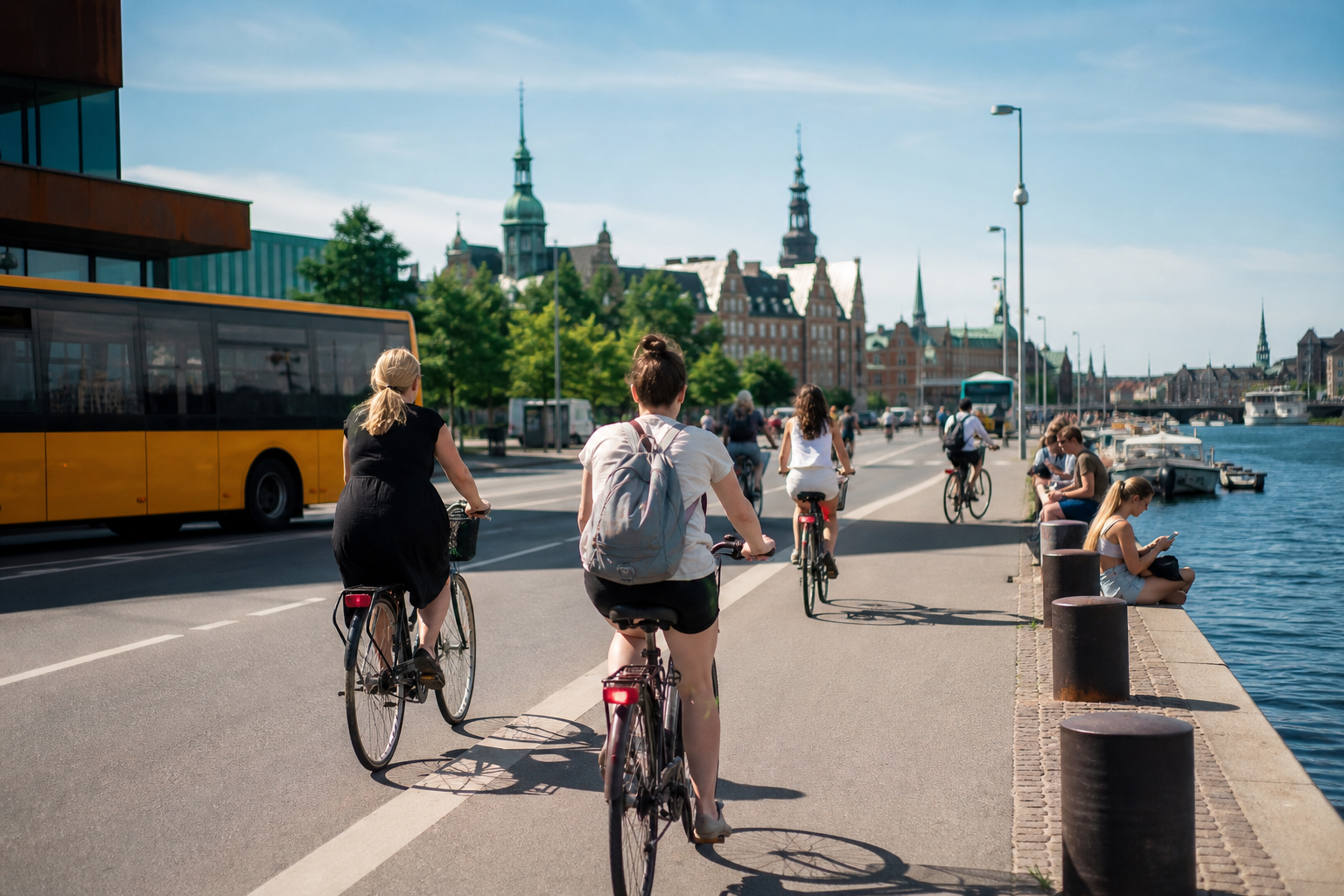
- Source
- Tagesschau
- MOZOM headline
- MOZOM analysis: Copenhagen's CopenPay shows how sustainable tourism is increasingly driven by reward rather than just ban or guilt
- Original headline
- "CopenPay" - Belohnung für nachhaltigen Tourismus in Copenhagen
- Author
- Redactie Tagesschau
- Date
- 21 juni 2026 om 12:14
- Subject
- Tagesschau describes how Copenhagen wants to reward more sustainable travel behavior with CopenPay, which increasingly shifts tourism from non-binding choice to actively driven city policy.
Summary of the original report
Tagesschau reports that Copenhagen wants to stimulate sustainable tourism with CopenPay by rewarding desired behavior. This means that the news is not only about a smart urban campaign, but also about a changing governance model. Instead of just using warnings, rules or moral appeals, cities are increasingly trying to positively guide behavior through benefit, access or symbolic appreciation. That is attractive because it looks friendlier than prohibition. But at the same time a new kind of selection is emerging: which behavior counts as good, who benefits from it and how far can a city go in shaping the tourists it prefers to receive?
Striking in this message
It is striking that the reward logic immediately sounds modern and constructive. This makes it easier to ignore the fact that soft control is also a form of standardization. What is called desirable visitor behavior is determined not through sanctions, but through the design of incentives.
The broader framework
For international readers, it helps to briefly clarify that many European cities are struggling with overtourism, pressure on residential areas, waste, transport and climate impact. What is less visible in positive campaigns is that sustainable tourism is also a struggle for administrative control: cities want to be less just hosts and more curators of the kind of visits that serve their economy without overburdening their quality of life.
Possible message behind the news
A possible message behind this news is that cities no longer just hope for responsible tourism, but want to actively shape it. In plain language: tourists remain welcome, but increasingly on conditions that the city itself tries to manage in a smarter and more visible manner.
Neutral conclusion
The message thus shows that CopenPay is more than a sympathetic city campaign. It is also a signal that sustainable tourism is increasingly directed through smart rewards, precisely because classic prohibition and information models are considered insufficiently effective.