
MOZOM-analyse
MOZOM analysis: German acceleration of deportations to Afghanistan shows how migration policy can approach diplomatic recognition without calling it that
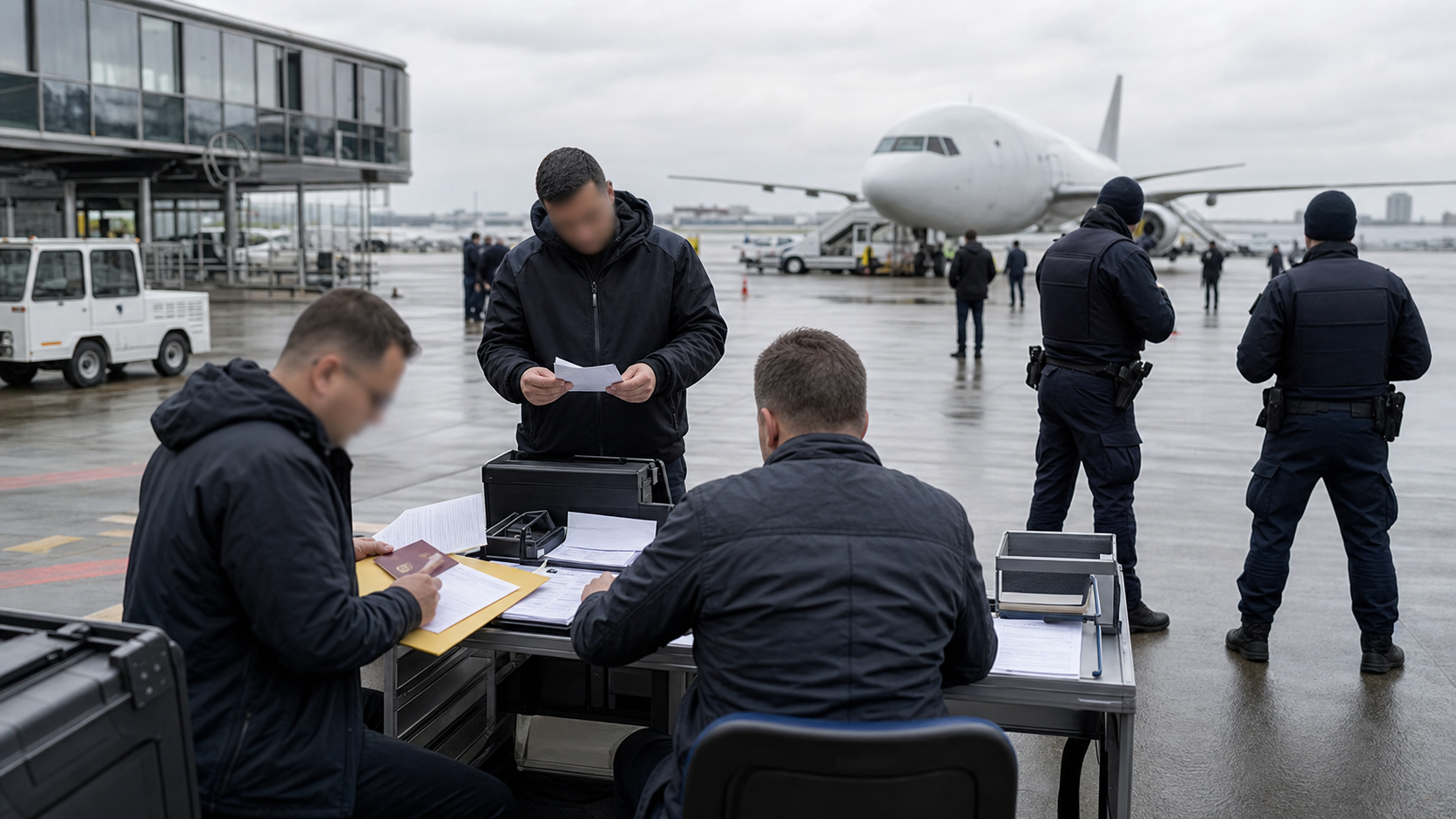
- Source
- Tagesschau / Ukrainska Pravda
- MOZOM headline
- MOZOM analysis: German acceleration of deportations to Afghanistan shows how migration policy can approach diplomatic recognition without calling it that
- Original headline
- Zugest?ndnis an Taliban - More Diplomaten f?r more Abschiebungen
- Author
- Redactie MOZOM
- Date
- 21 juni 2026 om 19:49
- Subject
- Tagesschau and Ukrainska Pravda report that Germany wants to accelerate deportations to Afghanistan, with more diplomatic space for Taliban representatives.
Summary of the original report
Tagesschau reports that Germany wants to accelerate deportations to Afghanistan through additional diplomatic space. Ukrainska Pravda takes up the topic internationally. This means that a domestic migration issue simultaneously becomes a foreign policy consideration: how far can you practically cooperate with the Taliban without giving the impression of recognition?
Striking in this message
The term concession to the Taliban immediately sets the tone. This puts pressure on the government, but also makes visible what is often hidden in technocratic language: implementation of migration policy sometimes comes at a diplomatic price.
The broader framework
It is less visible that states often make a distinction between formal recognition and practical agreements in such files. This sounds artificial to citizens, but for governments it is a way to maintain political distance while implementation continues.
Possible message behind the news
A possible message is that strict migration policies only become truly visible when their implementation conflicts with human rights, diplomacy and security.
Neutral conclusion
The German course shows that deportation policy does not stop at a border or airport. It touches on the question with whom a democracy is prepared to make agreements to fulfill domestic promises.