
MOZOM-analyse
EU transport money for Ukraine and Moldova: connection as geopolitical work
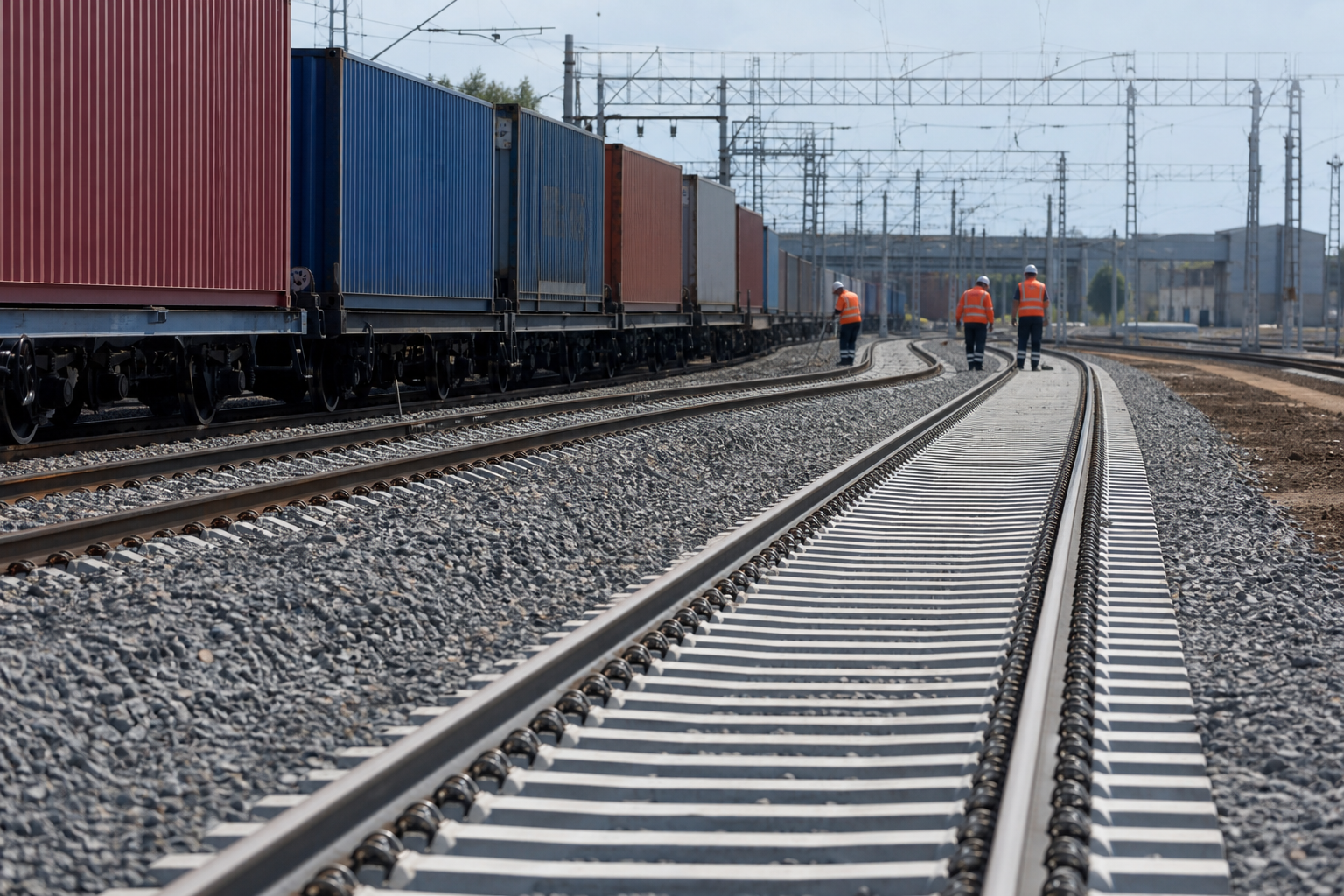
- Source
- Ukrainska Pravda
- MOZOM headline
- EU transport money for Ukraine and Moldova: connection as geopolitical work
- Original headline
- Єврокомісія вкладе 1.1 млрд євро у тспортну мережу ЄС, що More information
- Author
- MOZOM-redactie
- Date
- 22 juni 2026 om 15:30
- Subject
- European investments in transport connections with Ukraine and Moldova being more explicitly included in the EU network.
Summary of the original report
Ukrainska Pravda reports that the European Commission is investing 1.1 billion euros in the European transport network, with connections also covering Ukraine and Moldova. The news is therefore not just about infrastructure. Transportation corridors determine how quickly goods, aid, military equipment, agricultural products and people can move. For Ukraine and Moldova, connecting to European networks is a practical step towards integration. For the EU, it is a way to translate geopolitical support into rails, terminals, border crossings and logistics capacity.
Striking in this message
It is striking how neutral the transport network sounds. The word dampens the geopolitical charge, while connections determine where economic and political centers of gravity move.
Less visible context
What remains less visible is that infrastructure works slower than diplomatic statements. A summit or fund may quickly become news, but track gauge, customs, bridges, terminals and permits ultimately determine whether integration becomes tangible.
Possible message behind the news
A possible message is that integration does not only occur through treaties. It is also built into rails, transfer points and routes that can be used daily.
Neutral conclusion
The investment shows that European support for Ukraine and Moldova is becoming increasingly practical. It is precisely infrastructure that ultimately makes political proximity measurable.