
MOZOM-analyse
MOZOM analysis: With nuclear weapons space, Finland is moving from historical restraint to deterrence as a normal governance choice
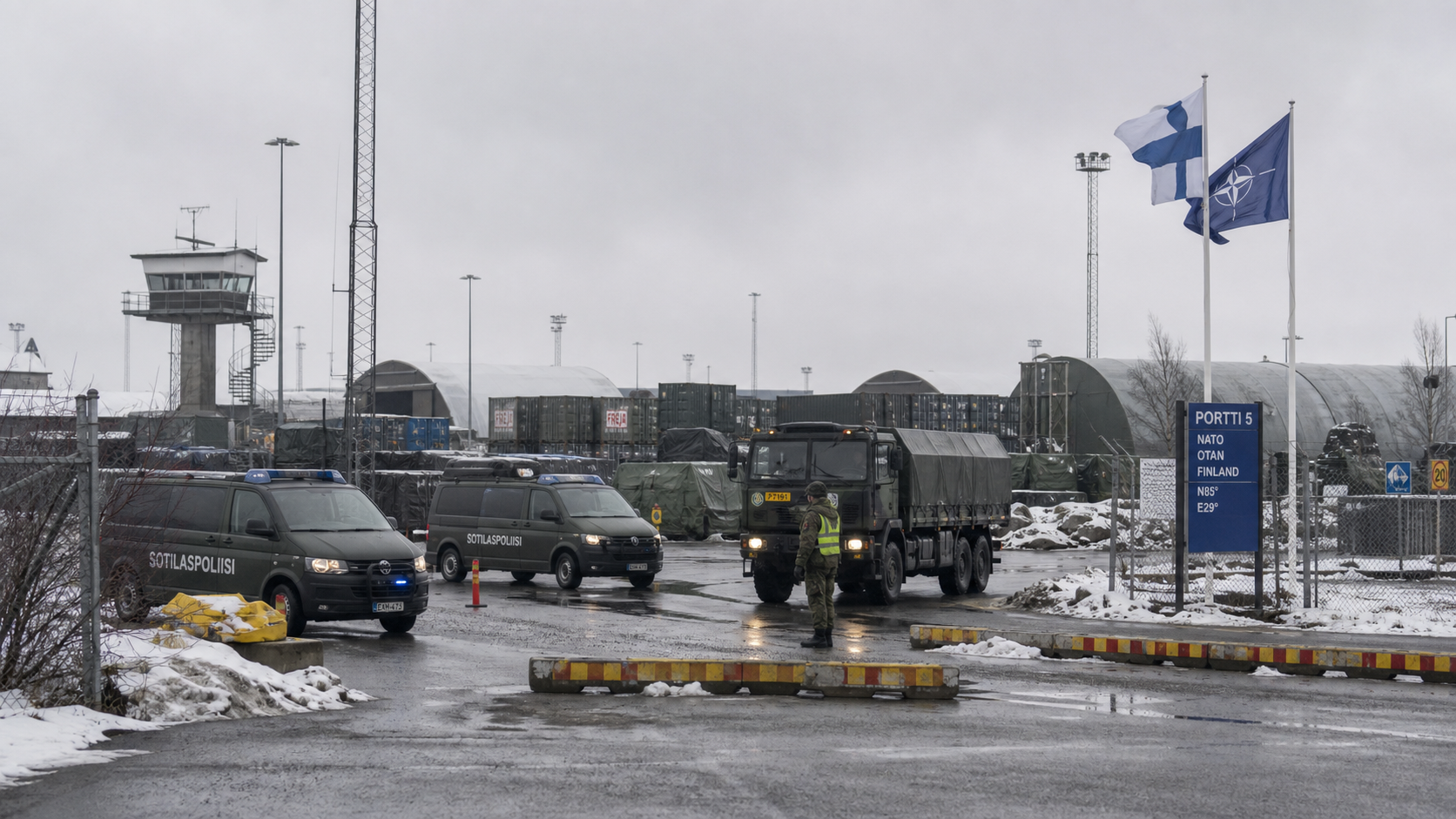
- Source
- NU.nl
- MOZOM headline
- MOZOM analysis: With nuclear weapons space, Finland is moving from historical restraint to deterrence as a normal governance choice
- Original headline
- Finland now allows the transport and storage of nuclear weapons on its territory
- Author
- Redactie NU.nl
- Date
- 17 juni 2026 om 22:58
- Subject
- NU.nl (NL) reports that Finland has approved a change in law that will remove old restrictions on the import, transport and storage of nuclear weapons, shifting a Cold War boundary to a more explicit NATO deterrence framework.
Summary of the original report
NU.nl writes that Finland has approved a change in law that will remove old restrictions on the import, transport and storage of nuclear weapons. Formally, it concerns adjusting a law that dates back to the Cold War, but politically the step is bigger than that. By removing that brake, Finland makes it clear that it no longer approaches its security architecture solely from national restraint, but from the broader logic of NATO deterrence and military flexibility. This does not automatically mean that nuclear weapons will be stationed in Finland tomorrow, but it does mean that Helsinki will open the administrative door to scenarios that were previously blocked by law. This is precisely where the real news lies: the nuclear threshold will not shift via one spectacular decision on deployment, but via an apparently technical change in the law that changes political normality.
Striking in this message
It is striking that the headline speaks very directly about the transport and storage of nuclear weapons on Finnish territory. This immediately makes the message feel bigger and heavier than an ordinary change in law. The wording draws the reader away from legal details and places him directly into the strategic picture of NATO expansion, Russian threat and nuclear deterrence. This is understandable from a journalistic point of view, but it also ensures that the news reads less as a procedure and more as a mental shift in boundaries in Northern Europe.
Nuance that is often missing
For international readers, it is worth briefly mentioning that Finland has only recently become a NATO member and shares a long border with Russia, meaning that security decisions resonate more heavily there than in many other European countries. What remains less visible is that laws on nuclear storage not only have a military effect, but also a symbolic one: they show allies how much operational space a country is willing to offer, even before anything is actually installed. Also underlying this message is the broader question of how quickly former Cold War exceptions in Europe are now being converted into standard policy due to the deteriorated relationship with Moscow.
Possible message behind the news
A possible message behind this news is that European security shifts do not always start with troop movements or summit declarations, but often with legal texts that at first seem inconspicuous. In plain language: Finland not only says something about weapons, but also about how far it is willing to go along with the nuclear logic of its allies. Between the lines, this creates the impression that restraint in Europe is increasingly making way for administrative preparation for stronger deterrence.
Neutral conclusion
The article thus shows that Finland's law change is more than a technical defense message. It is also a signal that nuclear space in Europe is gradually becoming administratively more normal, especially in countries that historically preferred to keep that door closed.