
MOZOM-analyse
MOZOM analysis: life sentence in the Gilgo Beach case legally concludes a long series of murders, but also shows how slowly justice only creates order after years of failure have piled up
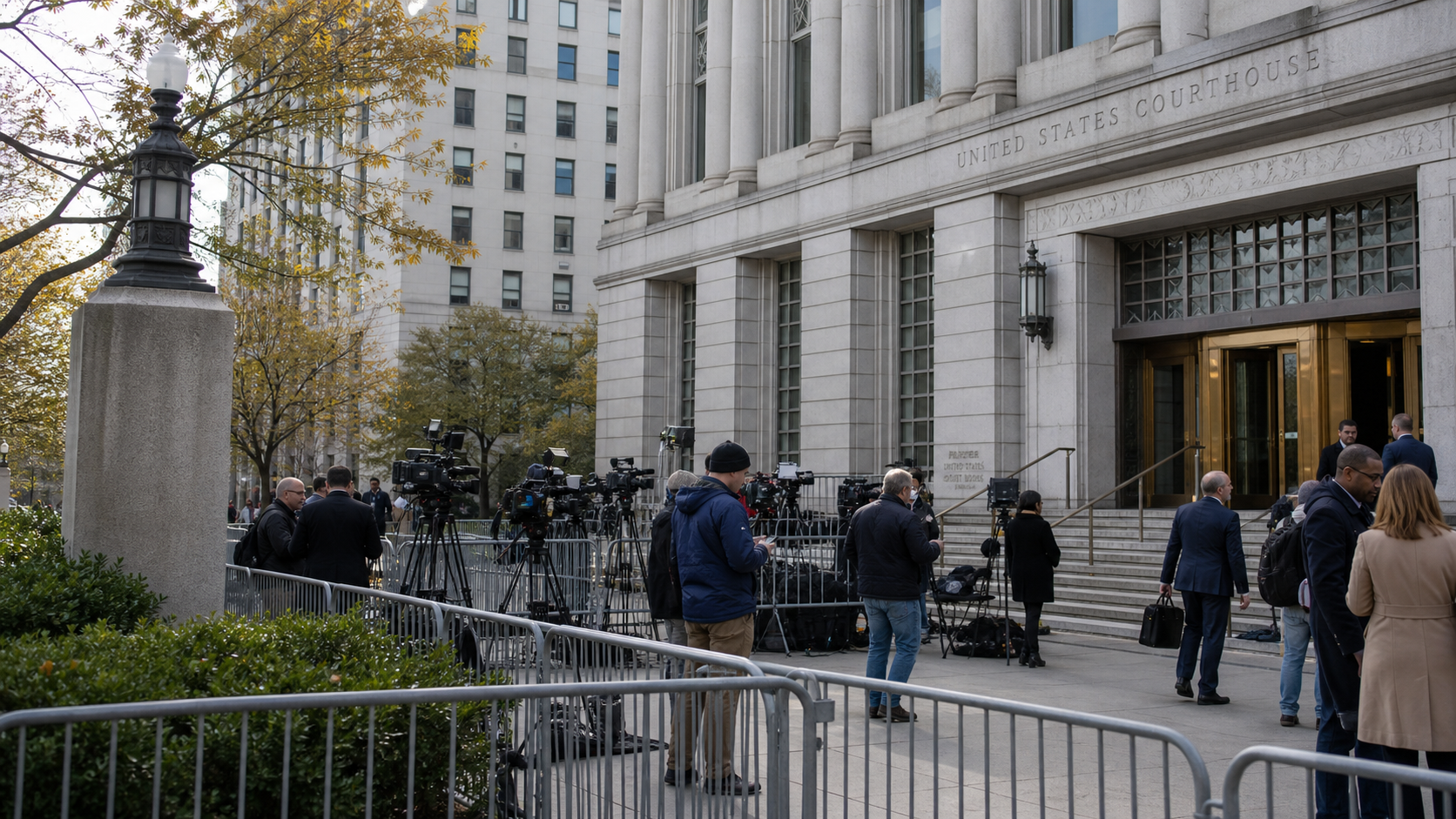
- Source
- NU.nl
- MOZOM headline
- MOZOM analysis: life sentence in the Gilgo Beach case legally concludes a long series of murders, but also shows how slowly justice only creates order after years of failure have piled up
- Original headline
- Gilgo Beach serial killer gets life in prison for murdering eight women
- Author
- Redactie NU.nl
- Date
- 19 juni 2026 om 09:05
- Subject
- NU.nl (NL) reports that an American judge has sentenced Rex Heuermann to life in prison for the murder of eight women in the well-known Gilgo Beach case, bringing a final legal decision to a long-drawn-out and heavily charged file.
Summary of the original report
NU.nl writes that an American judge has sentenced Rex Heuermann to life in prison for the murder of eight women in the Gilgo Beach case. This formally ends a years-long dossier in a tough final ruling. In a direct sense, this is a classic case law: a serial killer receives a maximum or very severe sentence after confessions and years of investigation. But beneath this message lies a second story. Cases like these are not only about the final conviction, but also about the slow road to it: years of unanswered disappearances, investigations that took time and a public need for closure that is often only served by the law much later. The ruling therefore not only orders guilt and punishment, but also a long period of collective unrest surrounding the question of why it took so long before definitive legal clarity was achieved.
Striking in this message
It is striking that the headline uses the nickname Gilgo Beach serial killer as a solid anchor. As a result, the case is immediately read as a nationally known crime file and not as a loose sum of eight murders. This increases the weight of the message, but it also shifts the attention from the individual victims to the larger narrative of the serial killer and the eventual conviction. The news thus has a double effect: legal final and cultural end point of a case that has long become a symbol of failed and late justice.
Less visible context
For international readers, it is useful to briefly clarify that the Gilgo Beach case received a lot of public attention in the United States for years due to the combination of missing women, lengthy investigations and recurring criticism of investigation and administrative slowness. What remains less visible is that severe final sentences are often seen as justice, while they do not undo previous periods of missed opportunities, inadequate protection and slow detection. Underlying this message is therefore the broader question of how much value the law still adds if the most severe order only comes after the greatest failure has already occurred for years.
Possible message behind the news
A possible message behind this news is that the law can ultimately formulate a tough answer, but that this does not alter how long victims and surviving relatives have been without clear closure. In plain language, a life sentence feels like harsh judgment, but it also shows how much time and failure preceded it. Between the lines, this creates the impression that the judiciary is only belatedly taking back the authority that was previously lacking.
Neutral conclusion
The article thus shows that the life sentence in the Gilgo Beach case is more than a final sentence for one perpetrator. It is also a public moment that reveals how slowly and imperfectly justice often works, even when the ultimate punishment is severe and unambiguous.