
MOZOM-analyse
MOZOM analysis: the hunt for the Russian shadow fleet shows that European sanctions at sea only gain weight if countries actually dare to intervene
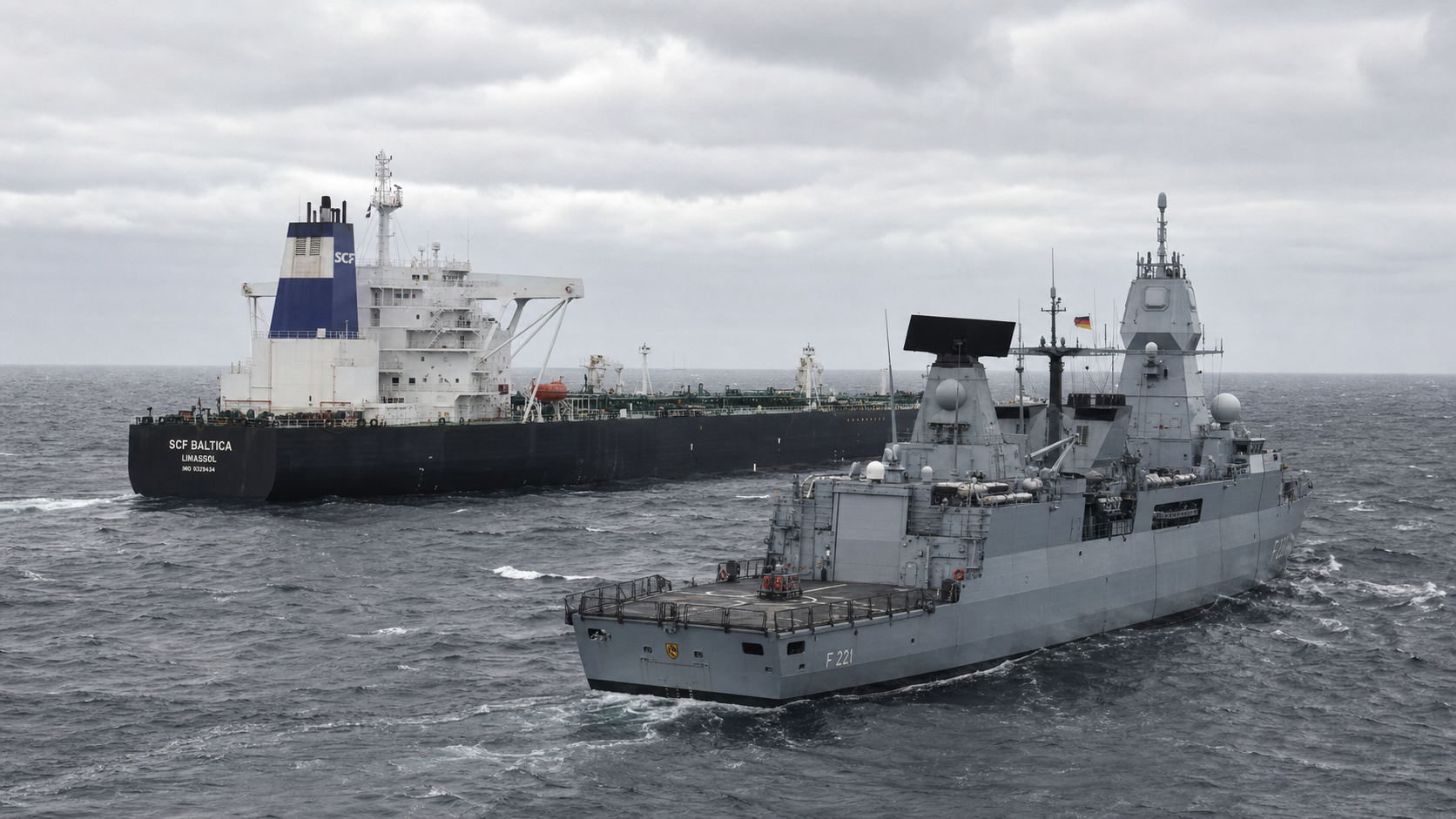
- Source
- AD.nl
- MOZOM headline
- MOZOM analysis: the hunt for the Russian shadow fleet shows that European sanctions at sea only gain weight if countries actually dare to intervene
- Original headline
- Hunt for Russian shadow fleet: tankers boarded, frigates deployed, but the Netherlands is still watching
- Author
- Redactie AD.nl
- Date
- 17 juni 2026 om 21:58
- Subject
- AD.nl (NL) describes how Western European countries have taken several tankers from the Russian shadow fleet in recent months, while Moscow is increasingly deploying warships to escort such oil traffic and the Netherlands remains remarkably cautious, according to the article.
Summary of the original report
AD.nl writes that Western European countries have boarded at least six oil tankers in the past six months that are considered part of the Russian shadow fleet. This shifts the file from paper sanction pressure to visible maritime enforcement. According to the report, Moscow is responding by increasingly using heavily armed war frigates as escorts for those tankers. This turns a sanctions problem into a safety problem at sea. The key is not only that controversial oil shipping continues, but that Europe must now show whether it is prepared to actually maintain control at sea when Russia increases the stakes. The fact that the Netherlands is still waiting gives the story extra weight: allies are showing muscle, while a country with a great maritime tradition is not yet leading the way, according to the source.
Striking in this message
It is striking that the words yacht, boarded and frigates immediately place the message in a strict security framework. As a result, the reader does not read this as a technical sanctions file, but as a clash between maritime law enforcement and geopolitical muscle language. The addition that the Netherlands is still watching also acts as a moral boost: it makes the story not only a report about Russia, but also an implicit test of Dutch and European willingness to actually enforce economic sanctions.
Background that often remains out of view
For international readers, it is useful to briefly clarify that AD.nl is a major Dutch news site and that the Russian shadow fleet refers to older or less transparently insured tankers used to transport Russian oil outside or past sanctions regimes. What remains less visible is that boarding and checking at sea is legally, militarily and diplomatically sensitive: every action affects flag state issues, insurance, cargo, passage and escalation risk. Also underlying this story is the broader question of whether Europe wants to keep sanctions mainly administrative, or whether it accepts that real enforcement at sea automatically moves closer to military deterrence.
Possible message behind the news
A possible message behind this news is that sanctions only count when states are prepared to physically monitor economic rules. In plain language: boarding a tanker is different from issuing a press statement. Between the lines, this creates the impression that Europe now has to prove at sea whether it really wants to get a grip on Russian diversion routes, even if that entails more tension.
Neutral conclusion
The message thus shows that the battle surrounding the Russian shadow fleet is not just about oil or smuggling routes, but also about the credibility of European sanctions. Once enforcement becomes visible at sea, economic pressure automatically turns into a test of political and maritime backbone.