
MOZOM-analyse
MOZOM analysis: apologies to the Moluccan community after 75 years make recognition visible, but do not automatically solve the legacy
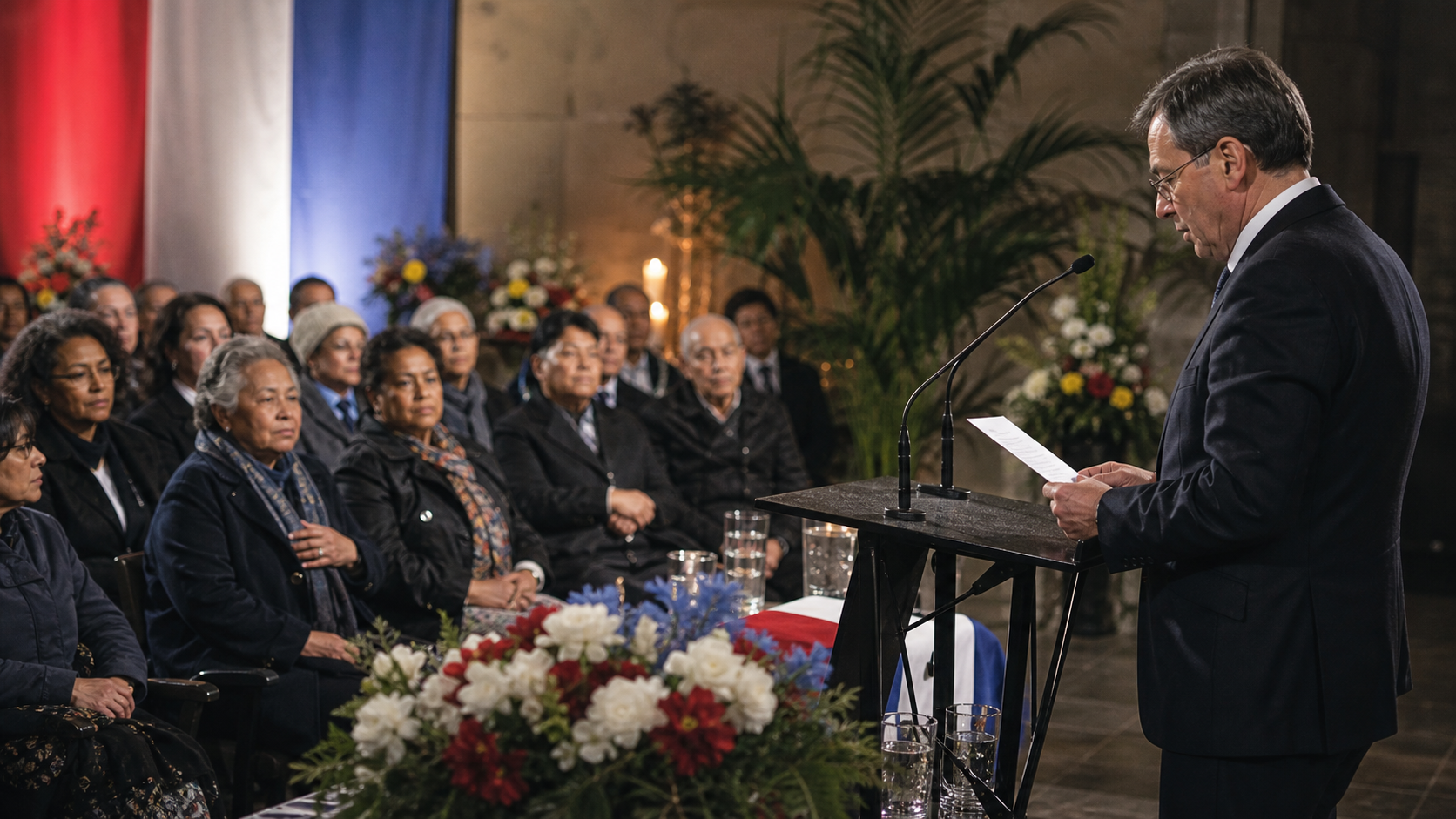
- Source
- NU.nl
- MOZOM headline
- MOZOM analysis: apologies to the Moluccan community after 75 years make recognition visible, but do not automatically solve the legacy
- Original headline
- Jetten apologizes to the Moluccan community on behalf of the Dutch government after 75 years
- Author
- Redactie NU.nl
- Date
- 21 juni 2026 om 16:24
- Subject
- NU.nl reports that Rob Jetten has apologized to the Moluccan community on behalf of the Dutch government, 75 years after arrival and disappointment about promises and treatment.
Summary of the original report
NU.nl reports that Jetten apologizes to the Moluccan community on behalf of the government. That makes the news more than a ceremonial moment. It is about the relationship between state, promise and community over several generations. For many Moluccans, this is not only about the past of arrival and reception, but also about the long period in which experiences of disappointment, loss and political misrecognition were given too little institutional weight.
Striking in this message
It is striking that the time indication of 75 years immediately determines the charge. The excuse gains weight because it comes so late. This makes not only the content of the words important, but also the question of why recognition only became politically possible after so long.
The broader framework
For international readers, it helps to know that Moluccan history in the Netherlands is connected to the aftermath of decolonization, military service, residence in the Netherlands and the lack of a promised political future. What remains less visible is that apologies are often only the beginning of a new conversation about education, archives, commemoration and practical recognition.
Possible message behind the news
A possible message is that a state sometimes only takes responsibility when the majority of the damage has already been borne by families and communities themselves.
Neutral conclusion
The apologies are important because they shift the official reading. At the same time, only then does the more difficult question begin of how recognition is converted into sustainable trust.