
MOZOM-analyse
MOZOM analysis: Warsh leaves interest rates unchanged and makes it clear that even a new Fed chairman does not simply translate the political pressure from the White House into direct policy
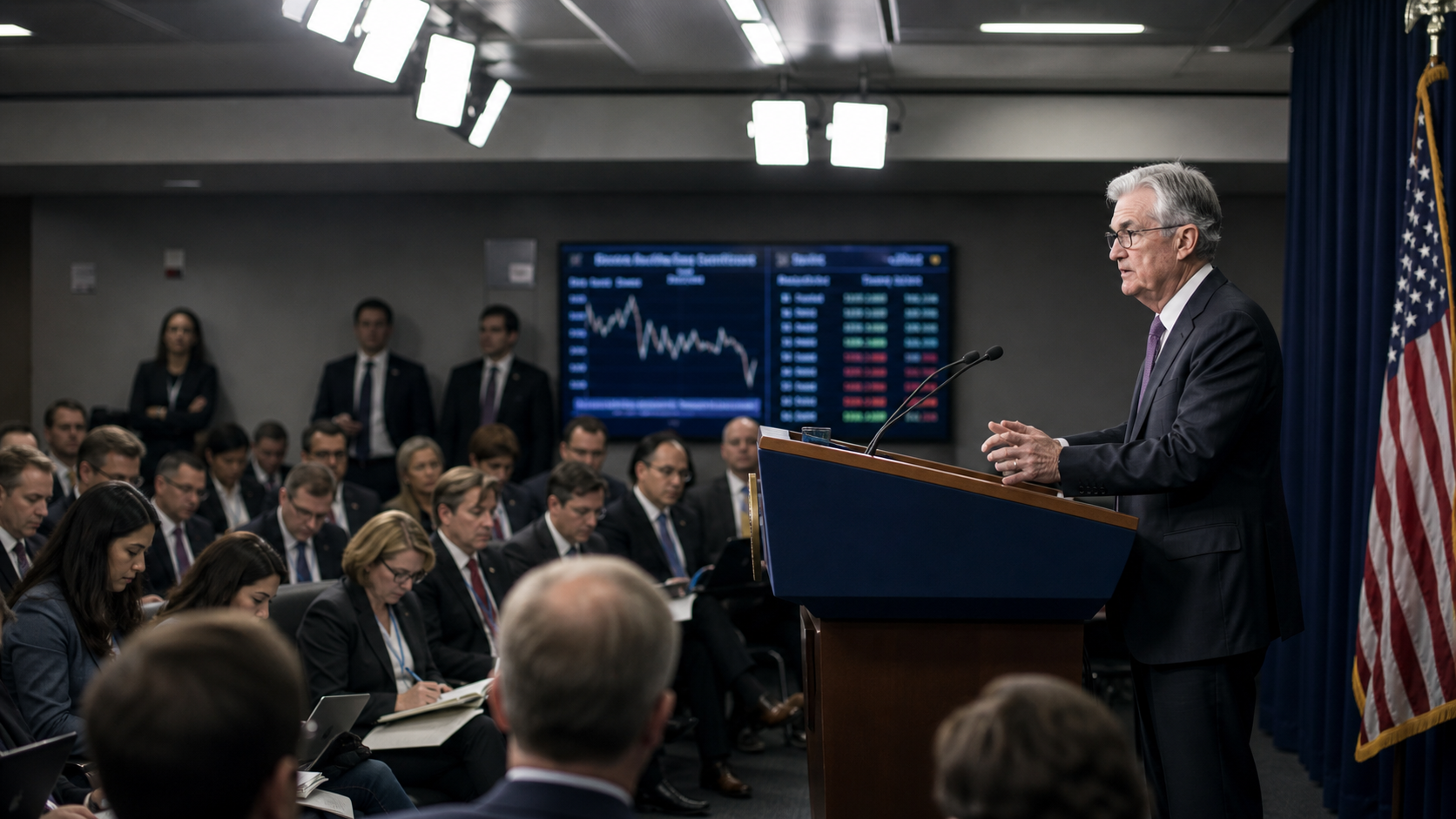
- Source
- Der Spiegel
- MOZOM headline
- MOZOM analysis: Warsh leaves interest rates unchanged and makes it clear that even a new Fed chairman does not simply translate the political pressure from the White House into direct policy
- Original headline
- Kevin Warsh: Neuer Fed-Chef tastes the US-Leitzins front not an
- Author
- Redactie Der Spiegel
- Date
- 18 juni 2026 om 16:05
- Subject
- Der Spiegel reports that new Fed Chairman Kevin Warsh will leave US interest rates unchanged in his first decision, despite pressure and wishes from President Trump to move faster.
Summary of the original report
Der Spiegel writes that Kevin Warsh leaves the policy rate unchanged in his first interest rate decision as the new chairman of the Federal Reserve. This means that President Trump's wishes remain unfulfilled for the time being. In a direct sense, that is a monetary message about inaction. But politically and institutionally it is more difficult: the first decision of a new Fed chairman serves as a signal about independence, pace and priorities. By not immediately changing the interest rate, Warsh indicates that a new name at the top does not automatically mean that interest rate policy immediately follows the White House's political agenda. The news is therefore less a surprise for markets than the message that the central bank is also trying to monitor its own rhythm under new leadership.
Striking in this message
It is striking that the headline focuses strongly on not touching the interest rate. That sounds technical, but is politically charged because it is immediately read against the background of Trump's pressure on the Fed. It is therefore not only about monetary policy, but also about symbolic autonomy. This gives the reader the impression that the most important question is not how many basis points move, but who in Washington really determines the pace of economic policy.
Nuance that is often missing
For international readers, it is useful to briefly clarify that the Fed is the American central bank and that its interest rate decisions have an impact on dollar financing, market interest rates, investments and exchange rates worldwide. What is less visible is that the first decision of a new chairman is often read with extra weight, precisely because markets are looking for style, discipline and administrative independence. Underlying this message is therefore a broader tension: how credible does central bank autonomy remain if political leaders express expectations more and more directly about interest rates and economic rates?
Possible message behind the news
A possible message behind this news is that a new Fed chairman will only establish credibility if he shows that he does not automatically move to the rhythm of presidential wishes. In plain language: sometimes doing nothing says more about power than taking immediate action. Between the lines, this creates the impression that Warsh first wants to demonstrate institutional calm before suggesting speed in terms of policy.
Neutral conclusion
The article thus shows that this first interest rate decision under Warsh is more than a neutral step in the right direction. It's also an early test of how independent, predictable and politically resistant the Fed wants to appear under new leadership.