
MOZOM-analyse
Kharkiv attack: civilian suffering behind military language
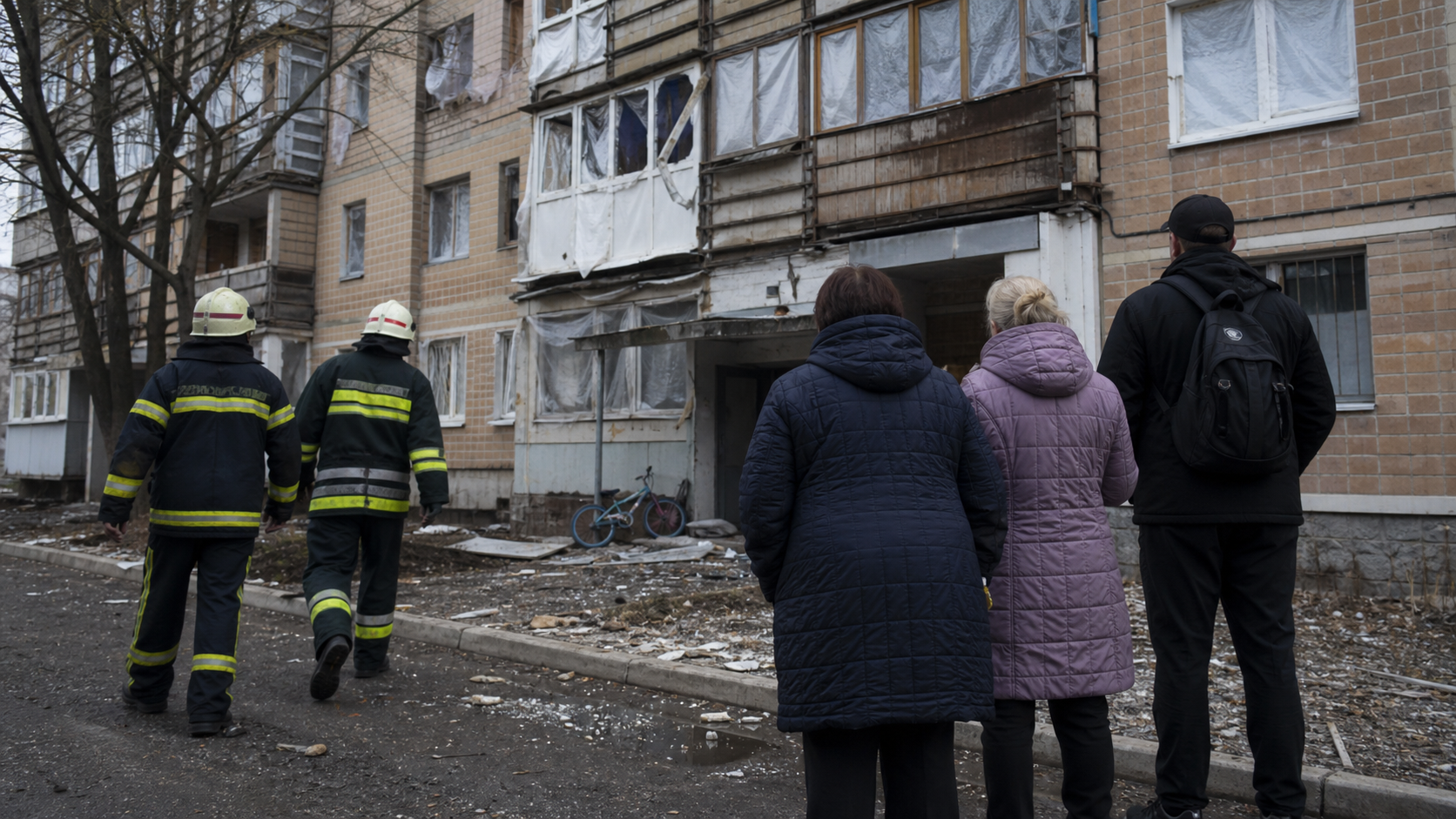
- Source
- AP News
- MOZOM headline
- Kharkiv attack: civilian suffering behind military language
- Original headline
- Russian strikes on Kharkiv again put civilian harm behind the language of drones, missiles and targets
- Author
- MOZOM-redactie
- Date
- 21 juni 2026 om 22:33
- Subject
- Civil damage and reporting on Russian attacks on Kharkiv.
Summary of the original report
Reports of new Russian attacks on Kharkiv follow a familiar pattern: numbers of people injured or killed, weapons used, locations, responses from local authorities, and Russian claims or silence. The city is close to the border and has therefore been vulnerable for years. The journalistic challenge is that military details are necessary, but can also create distance. A rocket type or drone wave sounds technical, while for residents it concerns sleep, schools, windows, electricity, shelter and funerals.
Striking in this message
It is striking how quickly terms such as targets, salvos and anti-aircraft fire determine the tone. They are factually relevant, but can unintentionally make citizen suffering sound more technical.
Less visible context
The cumulative damage remains less visible: not one attack, but years of uncertainty, evacuation, broken infrastructure and mental pressure. That is more difficult to capture in a short news report than a new victim figure.
Possible message behind the news
One possible message is that repeated violence becomes normalized when it is always couched in the same military terms. That is precisely why a concrete civil context remains important.
Neutral conclusion
Kharkiv shows that the language of weapons is necessary to describe attacks, but insufficient to understand the social damage.