
MOZOM-analyse
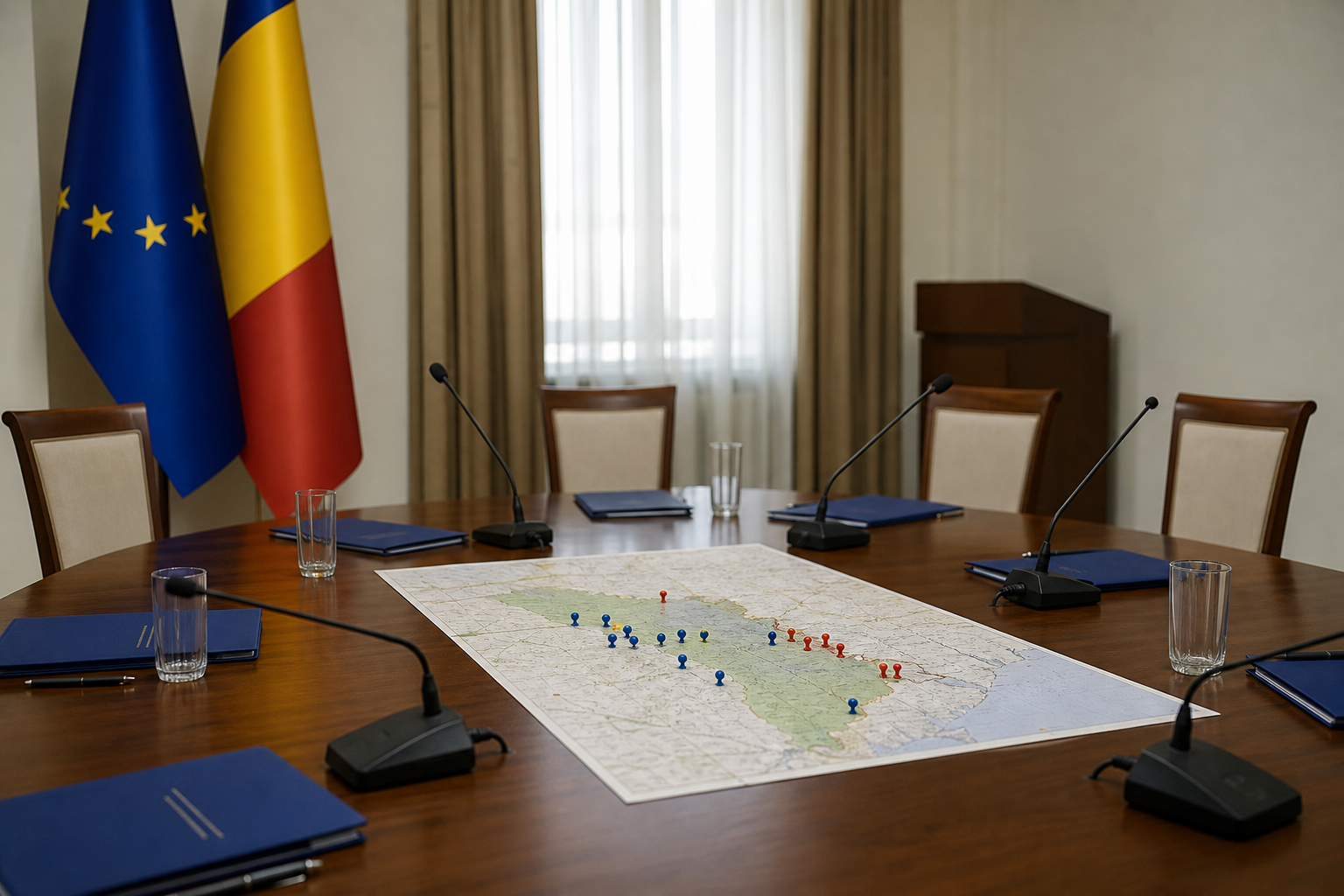
Moldova towards the EU: accession and Transnistria as parallel processes
- Source
- Euronews
- MOZOM headline
- Moldova towards the EU: accession and Transnistria as parallel processes
- Original headline
- Moldova's EU accession and Transnistria settlement are 'parallel processes', minister says
- Author
- MOZOM-redactie
- Date
- 22 juni 2026 om 15:34
- Subject
- Moldova is trying to deal with EU accession and the Transnistria conflict side by side without giving Russia additional leverage.
Summary of the original report
Euronews quotes the Moldovan Foreign Minister as saying that EU accession and a solution for Transnistria are parallel processes. That wording is important. Moldova does not want to wait until every trace of conflict has been completely resolved, but neither does it want to pretend that Transnistria is outside political reality. For international readers, Transnistria is the pro-Russian breakaway region on the eastern side of Moldova. This is precisely where the vulnerability lies: if accession becomes dependent on a complete solution, Moscow will indirectly put a brake on Chisinau's European course.
Striking in this message
The term parallel processes is striking. This sounds technical, but is politically sharp: it prevents an unresolved conflict from automatically gaining veto power over the European route.
Less visible context
What remains less visible is that EU accession is not just symbolism. It affects border management, energy, trade, rule of law, minorities and security. Transnistria makes each of these files more sensitive, precisely because administrative control and geopolitical influence are intertwined.
Possible message behind the news
One possible message is that Moldova is trying to prevent an unresolved conflict from holding its entire future hostage. At the same time, the question remains how inclusive accession can be as long as part of the territory functions separately.
Neutral conclusion
The Moldovan line shows that EU accession in Eastern Europe increasingly involves reform, security policy and conflict management at the same time.