
MOZOM vergelijkt
MOZOM compares: BFI youth culture, canon or counter-voice?
- Source
- MOZOM vergelijkt
- MOZOM headline
- MOZOM compares: BFI youth culture, canon or counter-voice?
- Original headline
- The Guardian sees BFI's Rip It Up as a corrective to teenage stereotypes; Southbank context also turns it into an anniversary story about national cultural memory
- Author
- MOZOM-redactie
- Date
- 28 juni 2026 om 18:15
- Subject
- Analysis of BFI's Rip It Up season covering 75 years of British youth culture, featuring film archive, young programmers, Festival of Britain commemoration, regional voices and the tension between canon and living culture.
Summary of the original report
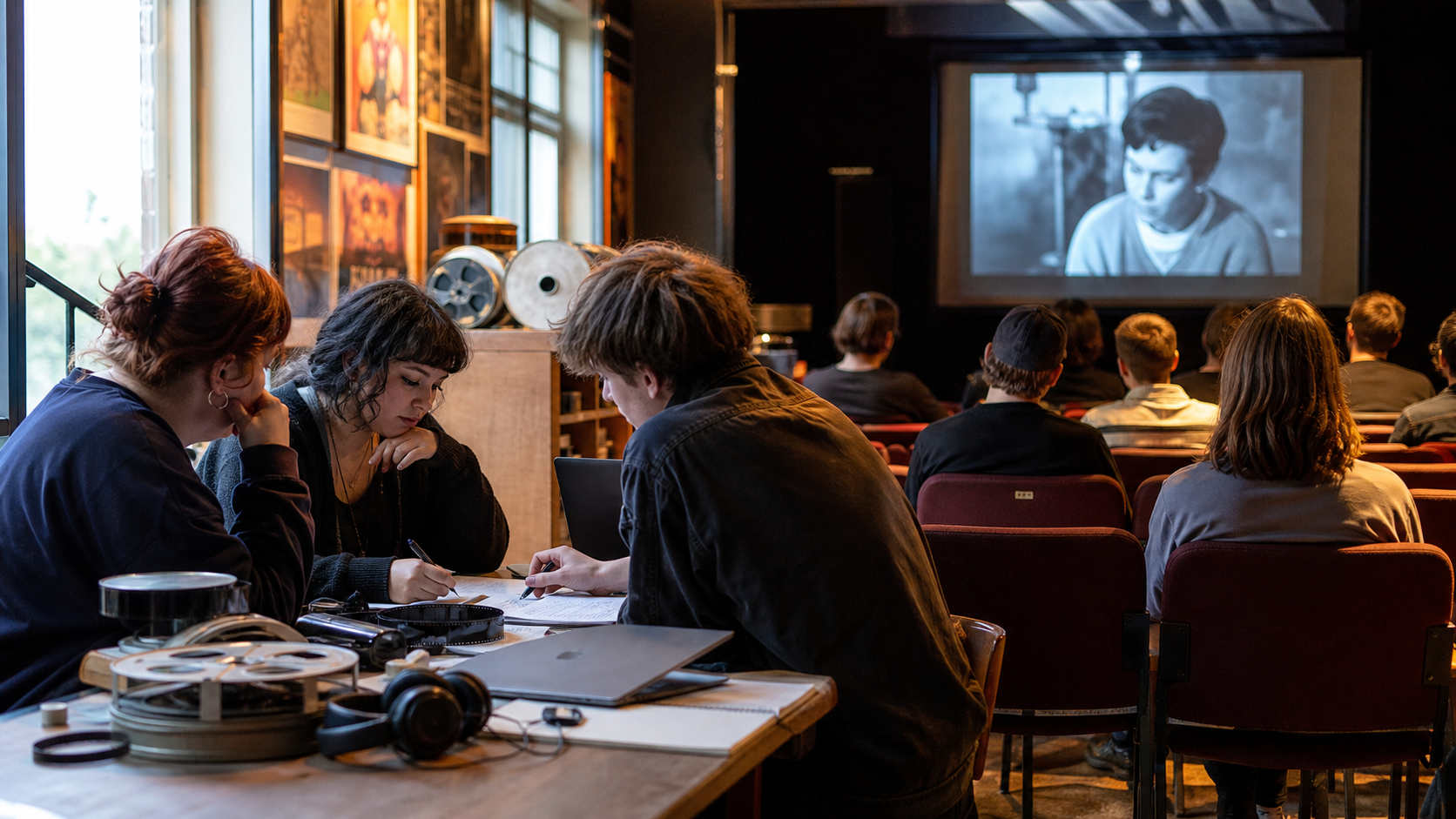
The Guardian describes Rip It Up as a nationwide BFI Film Audience Network season running from May to October 2026, exploring 75 years of British youth culture in film and television. The reason lies partly in the 75th anniversary of the Festival of Britain and the Southbank tradition of post-war optimism. The program includes well-known titles such as Billy Liar, Quadrophenia, Babylon, Human Traffic, Young Soul Rebels and Bend It Like Beckham alongside newer stories such as Ish. It is striking that young programmers aged 19 to 29 come up with themes themselves, from trans visibility and Black British fashion to YouTube, digital identity, environmental activism and regional language and music culture. The wider Southbank context, with previous attention to Danny Boyle's You Are Here and the Festival of Britain commemoration, places the same subject in a different frame: not just film history, but also national cultural memory, public institutions and the question of who gets to decide which youth voice will later become an archive.
Striking in this message
It is striking that the word youth culture has a fresh and historical effect at the same time. It refers to new voices, but in this program also to 75 years of archive. This creates a tension: is youth presented here as a living conflict, or as heritage that can be neatly viewed? The choice to include young programmers makes the subject less museum-like. At the same time, the institutional environment remains decisive: a publicly financed film network, a national commemoration and cultural locations choose which images appear on the screen.
Less visible context
It is less visible that cultural institutions also defend their own position in this way. At a time when young people consume a lot of visual culture through platforms, short clips and algorithms, cinemas, archives and festivals are once again claiming relevance. They provide slowness, context and shared experience versus individual feeds. That is valuable, but not neutral. An archive makes choices, a season makes connections and an anniversary gives direction to memories. The question is therefore not only what young people made or watched, but who is subsequently authorized to put together that story.
Possible message behind the news
A possible message is that youth only appear culturally safe when they fit into a program afterwards. Rip It Up tries to reduce that risk by giving young programmers space, but the tension remains: rebellion is simultaneously celebrated and framed here.
Neutral conclusion
The neutral conclusion: BFI's Rip It Up is a strong cultural subject because it not only brings back films, but also shows how institutions deal with changing images of youth. The series can build bridges between generations and make forgotten voices more visible. At the same time, it remains to be careful that youth culture is not presented solely as nostalgic property. The most interesting thing about the program is therefore not which classics return, but how much room there really is for the voices that do not yet fit comfortably into the canon.