
MOZOM vergelijkt
MOZOM compares: China's language law, unity or assimilation?
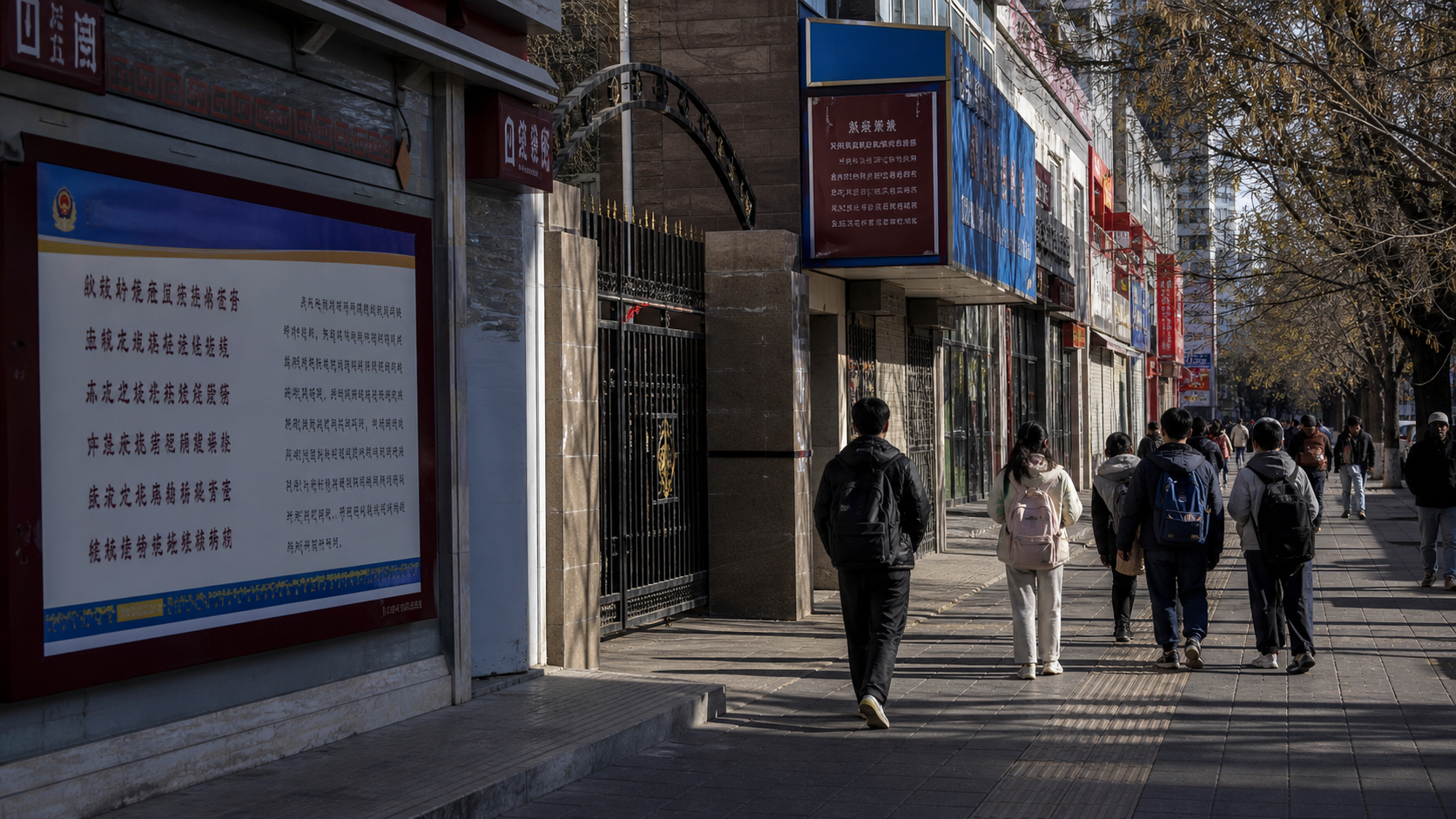
- Source
- MOZOM vergelijkt
- MOZOM headline
- MOZOM compares: China's language law, unity or assimilation?
- Original headline
- China will introduce a national law on July 1 that will strengthen the focus on standard language and common national identity
- Author
- MOZOM-redactie
- Date
- 29 juni 2026 om 11:45
- Subject
- Comparing China's new National Unity Law and the criticism that language and identity policies put further pressure on minorities.
Summary of the original report
ZEIT describes how China is drawing minorities more strongly into the national story, including through language, religion, education and public symbols. The law that comes into effect on July 1 fits in with that line: it emphasizes standard language, shared national identity and the fight against separatism and ethnic divisions. The official version is about cohesion, modernization and equal participation in the Chinese state. Human rights organizations and UN experts warn that policies surrounding education and language for Tibetans, Uyghurs and other groups could result in cultural pressure and loss of intergenerational transmission.
Striking in this message
It is striking that the word unity sounds positive and innocent, while in minority policy it can also be a harsh administrative word. Unity says little about voluntariness. It can involve building bridges, but also about silencing deviating languages and religious forms in education, administration and public spaces.
Less visible context
It is less visible that language policy often works slowly. A ban is immediately recognizable, but a shift in teaching materials, teacher training, place name signs, religious institutions and promotional opportunities can determine years from now which language children still pass on as a matter of course. As a result, the struggle is not only legal, but also social: what is called bilingual governance in one generation can become language loss in the next generation.
Possible message behind the news
A possible message is that unity is not neutral when it is implemented from above. The question is not only whether China wants to allow minorities to participate, but also whether minorities are allowed to remain recognizably themselves while they participate.
Neutral conclusion
The neutral conclusion: the new Chinese law can be read as an attempt to connect a large country administratively and linguistically, but it is not separate from a broader sinicization line. Precisely for that reason, the test is concrete: do minority languages, religious practices and local identities remain visible and transferable, or are they mainly allowed as long as they fit into the national center?