
MOZOM vergelijkt
MOZOM compares: high seas treaty, nature conservation or paper ocean power?
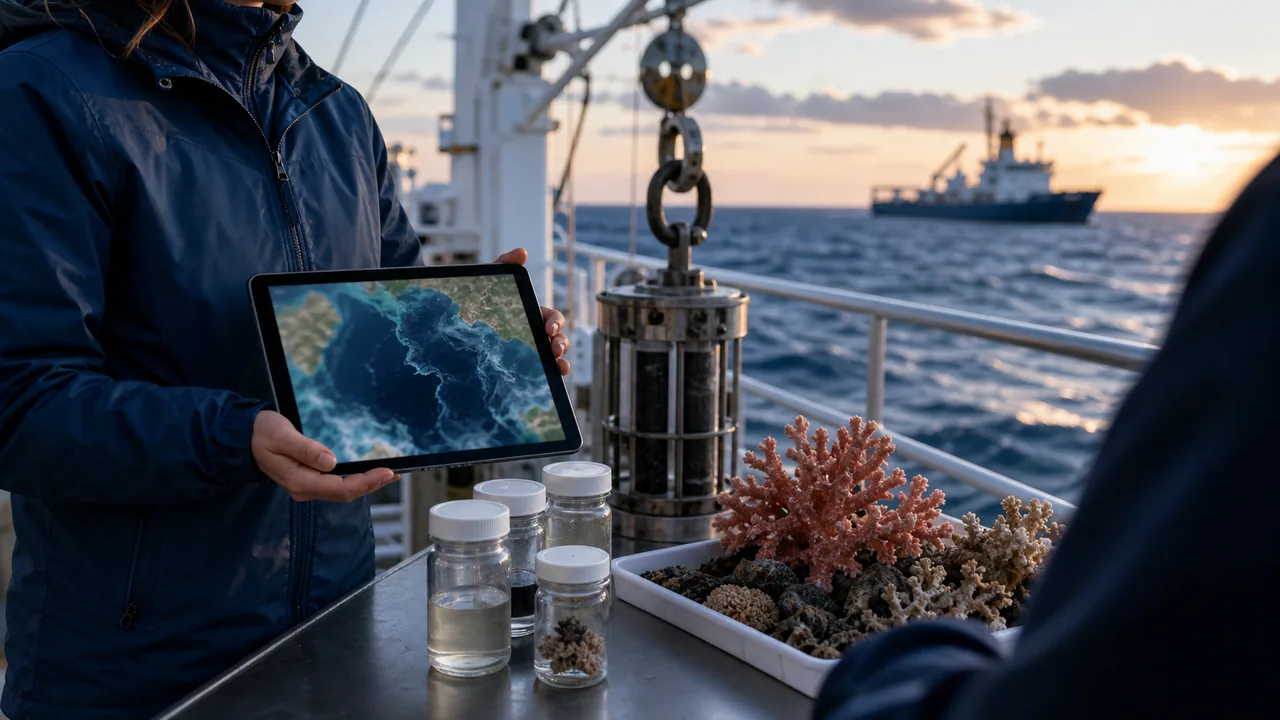
- Source
- MOZOM vergelijkt
- MOZOM headline
- MOZOM compares: high seas treaty, nature conservation or paper ocean power?
- Original headline
- BBNJ Agreement enters into force under the United Nations Convention on the Law of the Sea
- Author
- MOZOM-redactie
- Date
- 30 juni 2026 om 16:29
- Subject
- The UN Convention on High Seas Biodiversity entered into force in 2026, but implementation has yet to prove how much protection it provides.
Summary of the original report
The United Nations reports that the BBNJ Agreement, in full the treaty on marine biological diversity in areas beyond national jurisdiction, entered into force on January 17, 2026. It concerns the high seas: ocean areas that do not fall under the direct authority of a single country. The treaty is the third implementation agreement under the UN Convention on the Law of the Sea. It covers four main points: marine genetic resources and fair sharing of benefits, area-based management tools such as protected areas, environmental impact assessments and capacity building with marine technology transfer. In plain language: who is allowed to conduct research, who benefits, which parts of the ocean get protection, and how do poorer countries get access to knowledge and technology? This makes the treaty globally relevant, because the high seas cover a large part of the planet and are connected to climate, food and biodiversity.
Striking in this message
It is striking that the word treaty quickly sounds definitive. But enforcement is difficult when the sea is high. Ships move, interests are international and supervision costs money. The introduction is therefore the beginning, not the end point.
Less visible context
What is less visible is that protection at sea is often dependent on data. You can only manage an area properly if you know what lives there, who is active and what damage occurs. As a result, ocean protection also becomes a battle for satellites, research ships, laboratories and shared information.
Possible message behind the news
A possible message is that the world is trying to make an area without an owner manageable, but that implementation determines whether the ocean will actually benefit from it.
Neutral conclusion
The neutral conclusion: the High Seas Treaty is important because it provides a legal basis. But the real test will be whether countries and companies also use that basis to limit damage and enforce protection.