
MOZOM vergelijkt
MOZOM compares: smart power control, reimbursement or remote control?
- Source
- MOZOM vergelijkt
- MOZOM headline
- MOZOM compares: smart power control, reimbursement or remote control?
- Original headline
- Grid operators and energy companies want to use households with batteries, charging stations and heat pumps as a flexible grid buffer
- Author
- MOZOM-redactie
- Date
- 26 juni 2026 om 19:50
- Subject
- Dutch energy companies and grid operators want to unlock approximately 255 megawatts of flexible power at households to reduce grid congestion.
Summary of the original report
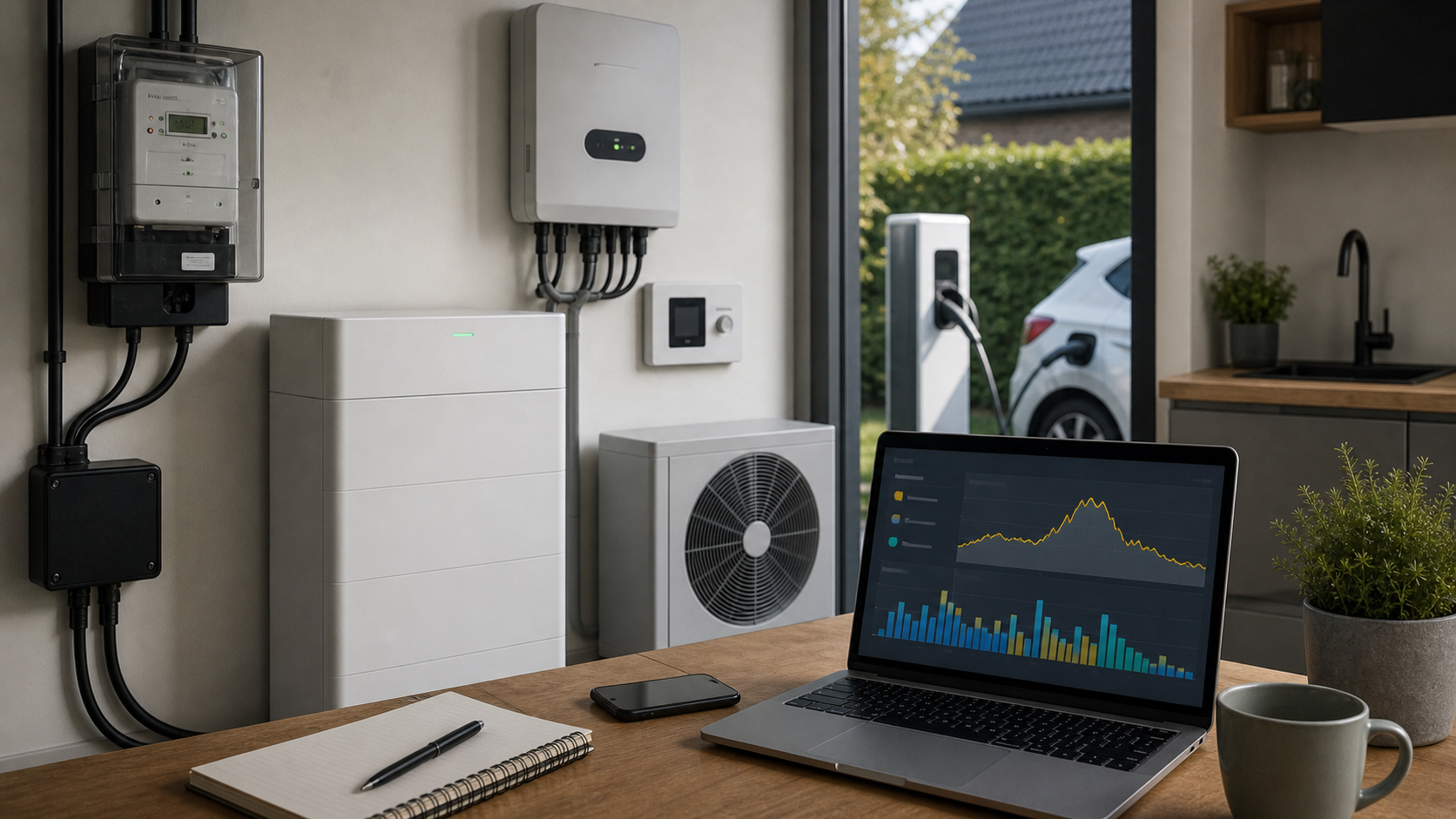
Grid operators and energy companies want to use households with home batteries, electric cars, charging stations and heat pumps to relieve the overcrowded power grid. The reporting mentions approximately 255 megawatts of flexible power, comparable to the consumption of tens of thousands of households. The intention is for suppliers to temporarily charge, discharge or pause devices more intelligently when the grid peaks. The participant receives compensation for this and should avoid loss of comfort. This shifts the role of the citizen: not just purchasing or supplying electricity, but actively moving along with the grid balance.
Striking in this message
It is striking how quickly the word 'smart' softens the question of power. Smart charging sounds friendlier than remote control. Flexibiliteit klinkt vrijwilliger dan beperking. Yet it is the same core: from now on, the network will demand behavior from devices behind the front door.
Less visible context
What is less visible is that grid reinforcement lags behind electrification for years. Households now become not just customers, but buffers. This can be practical and affordable, but it also reveals that the energy transition is getting closer to everyday households.
Possible message behind the news
A possible message is that the power grid is not only being expanded with cables, but also with access to appliances in homes.
Neutral conclusion
The neutral conclusion: smart power management can alleviate grid congestion and save households money. But it is also a shift in power: the household becomes part of the infrastructure.