
MOZOM-analyse
MOZOM compares: ceasefire, pause or false peace?
- Source
- AP en The Guardian
- MOZOM headline
- MOZOM compares: ceasefire, pause or false peace?
- Original headline
- In Mideast and around the world, everyone's talking 'ceasefire.' But what does it really mean?
- Author
- MOZOM-redactie
- Date
- 1 juli 2026 om 19:10
- Subject
- AP shows how the word ceasefire often no longer means a complete stop to violence in 2026, while The Guardian describes how proxy battles, Hormuz and indirect US-Iran talks are putting pressure on the false peace.
Summary of the original report
On July 1, 2026, AP analyzes how the word ceasefire has become more flexible. The newspaper points to Gaza, Lebanon and the relationship between the United States and Iran: there are agreements, deadlines and conversations, but that does not mean that citizens on the ground actually experience peace. The Guardian describes the same tension through the diplomatic route around Iran. Indirect talks on billions in frozen Iranian assets, the Strait of Hormuz and regional security resume, while maritime pressure, threats and recent firefights show the fragility of the pause. In a broader analysis, The Guardian shows how Iran, Israel and the US try to maintain influence through allies, militias and proxy groups. As a result, violence may decrease without the conflict actually ending.
Striking in this message
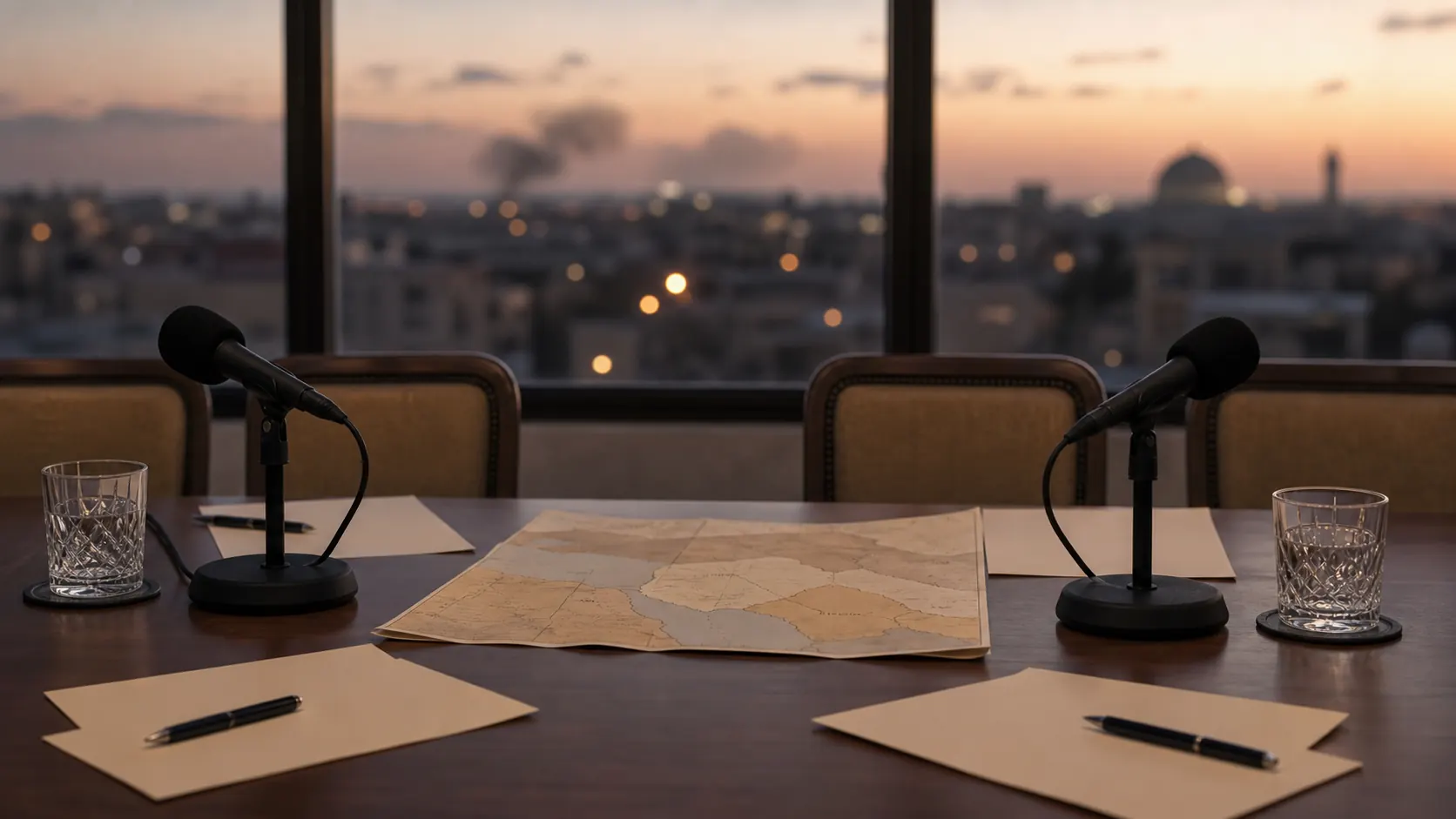
It is striking that the word suggests peace, while the content is often about controlled violence. A ceasefire can then be a diplomatic gain, humanitarian disappointment and military repositioning at the same time.
Less visible context
What is less visible is that modern conflicts rarely proceed neatly between two armies. Proxy groups, shipping routes, sanctions, frozen assets, drones, missiles and domestic political pressure are all mixed up. As a result, a formal agreement can exist on paper, while the actual battle shifts to other places, other resources or other allies. The question then is not just whether a ceasefire has been declared, but who controls it, who is allowed to violate it and who pays the price when the language is more beautiful than reality.
Possible message behind the news
A possible message is that peace does not start with the word ceasefire, but with verifiable security for people living under the conflict.
Neutral conclusion
The neutral conclusion: the ceasefire in this context is not a simple end point, but a contested intermediate stage. AP shows how the word loses its self-evident meaning. The Guardian shows why: power is shifting to proxies, shipping routes, money and indirect negotiation. Anyone who wants to read the news carefully should therefore not only ask whether there is a ceasefire, but also what continues under that name.