
MOZOM vergelijkt
MOZOM compares: Tanzanian rally ban, public order or political emergency brake?
- Source
- MOZOM vergelijkt
- MOZOM headline
- MOZOM compares: Tanzanian rally ban, public order or political emergency brake?
- Original headline
- AP describes a nationwide ban on political gatherings for planned protests; opposition and lawyers call it a violation of fundamental rights
- Author
- MOZOM-redactie
- Date
- 28 juni 2026 om 15:26
- Subject
- Analysis of the Tanzanian ban on political gatherings towards planned protests on July 7, focusing on law and order, opposition space, Tundu Lissu, the disputed 2025 election and constitutional rights.
Summary of the original report
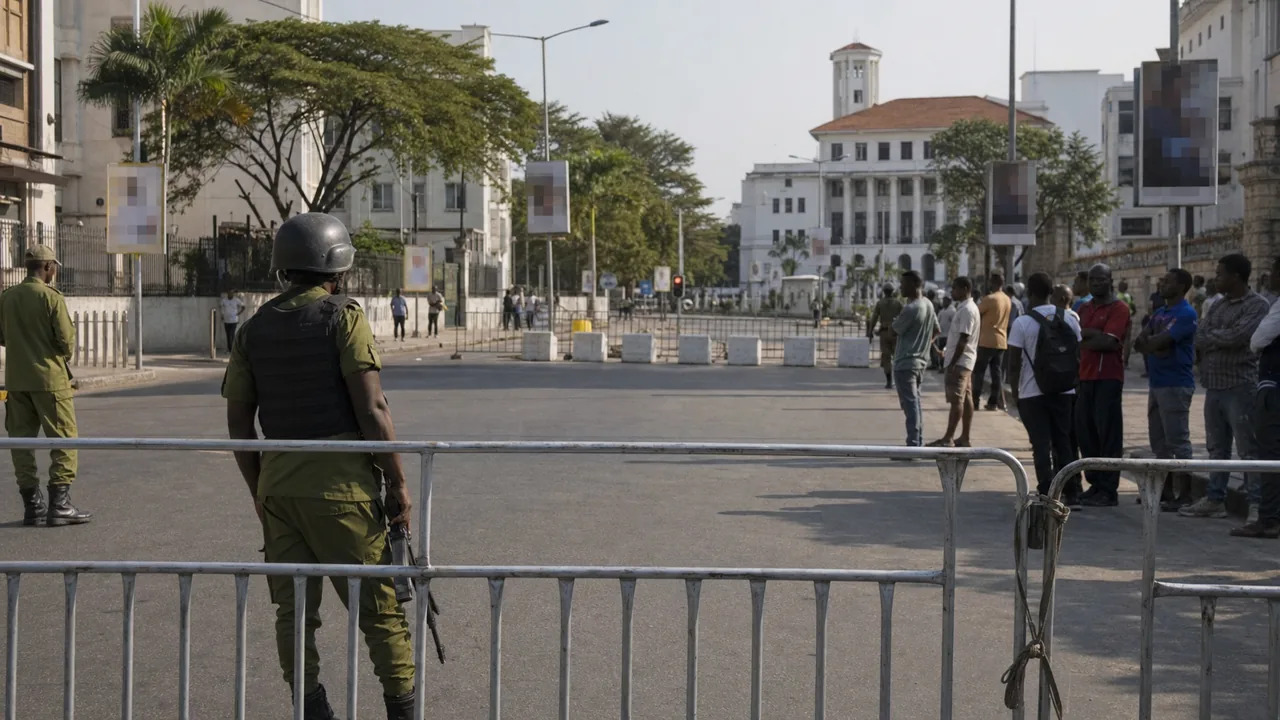
AP reports that the Tanzanian government has banned political gatherings nationwide ahead of planned protests on July 7. Interior Minister Patrobas Katambi ordered the police to stop issuing permits for political activities. The protests are against the disputed 2025 election, the re-election of President Samia Suluhu Hassan, the detention of opposition leader Tundu Lissu and the call for a new constitution. According to AP, young people and opposition parties also refer to post-election violence. Lawyers and opposition parties call the ban unconstitutional and politically motivated. The Guardian previously described how the 2025 election was overshadowed by exclusion of key challengers, repression complaints and deadly violence during protests.
Striking in this message
It is striking how technical the measure can sound. No more permits for political activities sounds administrative. But administrative language can have a major political effect. A permit freeze not only determines where people are allowed to gather; it also determines when dissatisfaction may become visible. This shifts the debate from the question of why people want to protest to the question of whether they are allowed to protest at all.
Less visible context
What is less visible is that Tanzania had only recently released an earlier ban on opposition meetings. President Hassan lifted a long-term ban imposed by her predecessor John Magufuli in 2023, raising expectations of a political opening. Against that background, a new national ban reads more heavily than a separate safety measure. It also touches on the role of young people: as political mobilization increasingly takes place via social media, a restraining order becomes not only a physical restriction, but also a signal to online organizers that public action is becoming legally risky.
Possible message behind the news
One possible message is that Tanzania faces not just a day of protest, but a test of political space. If the government treats protest primarily as a safety risk, the content of the complaint fades into the background. Then it is not the disputed election that becomes the main topic, but the question of who gives permission to speak against it.
Neutral conclusion
The neutral conclusion: the Tanzanian ban can be defended by the government as an attempt to prevent unrest, but the timing makes it politically highly charged. A national ban just before protests about election legitimacy, a detained opposition leader and constitutional criticism is no ordinary administrative decision. It is a test of whether law and order is used to protect citizens or to keep political pressure out of sight. The key question is therefore not only whether July 7 will remain peaceful, but whether political contradiction will still be allowed to exist publicly afterwards.