
MOZOM vergelijkt
MOZOM compares: global economy 2026, shock-resistant or lost decade?
- Source
- MOZOM vergelijkt
- MOZOM headline
- MOZOM compares: global economy 2026, shock-resistant or lost decade?
- Original headline
- Middle East Conflict Sends Global Growth to Lowest Rate Since COVID-19
- Author
- MOZOM-redactie
- Date
- 30 juni 2026 om 15:31
- Subject
- The World Bank warns that global growth will slow down by 2026 and that developing economies will barely catch up with rich countries.
Summary of the original report
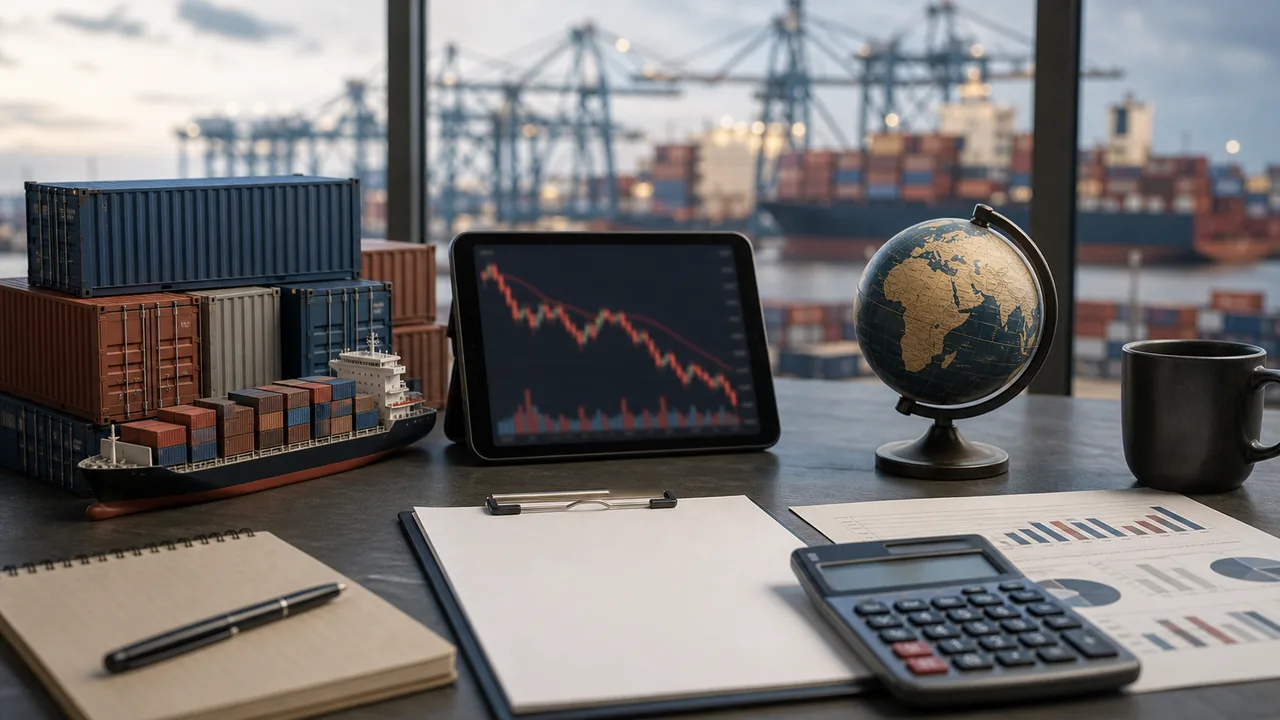
The World Bank, based in Washington D.C. in the United States, expects world growth to slow to 2.5 percent in 2026, down from 2.9 percent in 2025, according to its Global Economic Prospects. The Bank cites the conflict in the Middle East as additional pressure on energy prices, inflation and financing costs. Forecasts for about two-thirds of economies have been lowered from January. For developing economies, the warning is starker: outside China and India, almost a decade without progress in narrowing the income gap with rich countries looms. According to the World Bank, South Asia remains the fastest growing region, but growth is also slowing down there. In Sub-Saharan Africa, food prices, inflation and fertilizer costs, among other things, are depressing. The World Bank says it may scale up additional support if the crisis and economic fallout persist.
Striking in this message
It is striking that crisis growth is often sold as temporary. But the World Bank points to accumulation: conflict, energy, inflation, debt and lack of investment. A temporary shock can then turn into permanent disadvantage.
Less visible context
What is less visible is that developing countries often borrow more expensively precisely when they need to invest the most. As a result, a country can be asked to lower food prices, build climate-proof buildings, improve education and repay debts at the same time. That makes low growth politically explosive.
Possible message behind the news
A possible message is that the global economy will not collapse, but will become slower and more unequal, hitting countries with the fewest buffers the hardest.
Neutral conclusion
The neutral conclusion: the global economy continues to run, but the engine is running harder. If growth remains mainly in strong regions and vulnerable countries lag behind, recovery will again be unevenly distributed.