
MOZOM vergelijkt
MOZOM compares: Wimbledon World Cup fencing, tennis rest or attention economy?
- Source
- MOZOM vergelijkt
- MOZOM headline
- MOZOM compares: Wimbledon World Cup fencing, tennis rest or attention economy?
- Original headline
- Wimbledon keeps World Cup football off the screens, even in the players' lounge
- Author
- MOZOM-redactie
- Date
- 30 juni 2026 om 03:33
- Subject
- Wimbledon is refusing to show World Cup football on the screens at the All England Club grounds, while the knockout stages of the World Cup coincide with the first week of tennis.
Summary of the original report
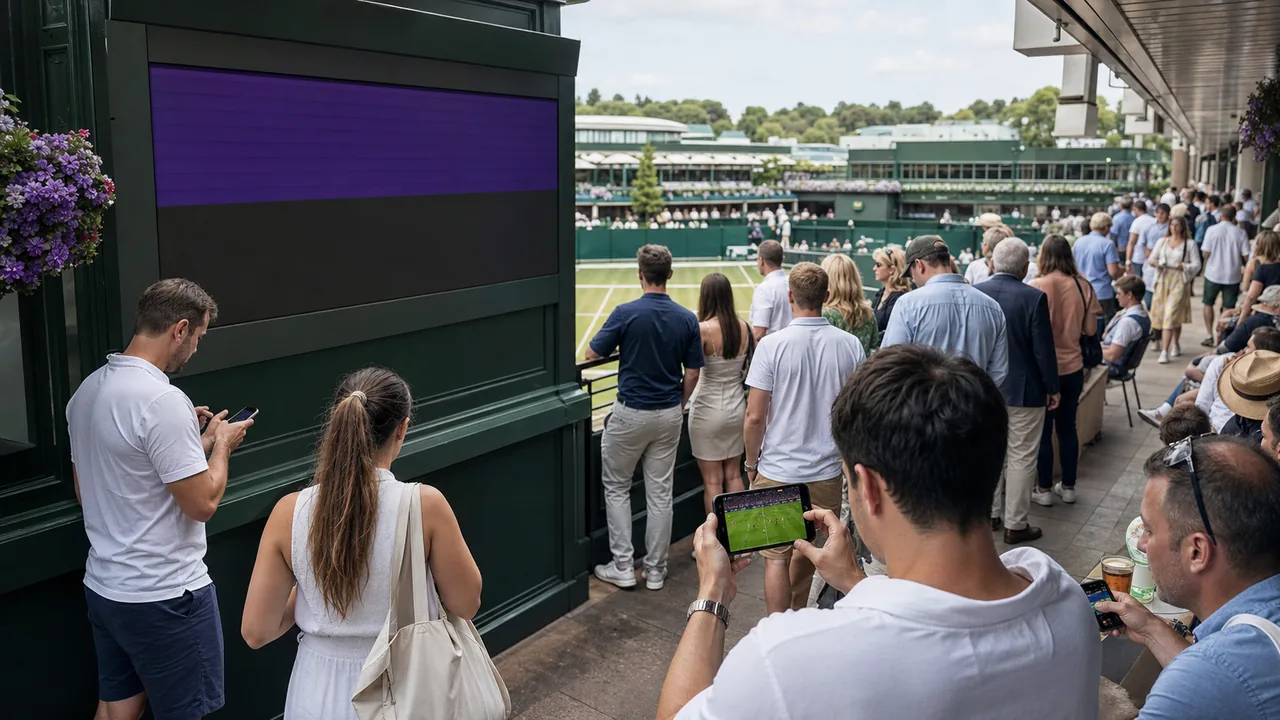
The Guardian reports that Wimbledon will not show World Cup matches on screens on the grounds of the All England Club, including in the players' lounge, during the 2026 edition. According to chief executive Sally Bolton, visitors and players will be allowed to watch football on their own phones, but the tournament will not use the big screens for the knockout stages of the World Cup. The timing makes the decision more sensitive: Wimbledon runs from June 29 to July 12 and therefore coincides with part of the World Cup knockout phase. The same message refers to previous moments when football-watching fans reacted audibly during tennis matches. A Wimbledon diary from The Guardian shows that fans practically solve the policy by still watching football on Henman Hill or outside the field. FIFA's schedule confirms the broader context: the 2026 World Cup is a long, extensive tournament with a knockout stage that has dominated the sporting calendar since the end of June.
Striking in this message
It is striking that the word ban sounds louder than the policy itself. Wimbledon does not ban supporters from following football; above all, it refuses to make its own infrastructure, screens and lounges, available for a competitive story. That makes it a choice about atmosphere and power over attention.
Less visible context
What is less visible is that major sporting events are increasingly affecting each other's audiences at the same time. Thanks to streaming on phones, a tournament is never completely isolated from another tournament. Wimbledon can control what is on its screens, but no longer fully control what happens in the minds and hands of visitors. The attention economy literally enters the tennis complex.
Possible message behind the news
A possible message is that tradition is protected not only with clothing rules and grass courts, but also with the choice of which images can and cannot appear on shared screens.
Neutral conclusion
The neutral conclusion: Wimbledon's World Cup policy is not a major sporting conflict, but it is a sharp sign of the times. Even in a place that does everything it can to keep tennis at its core, attention is the real competition outside of the game.