
MOZOM-analyse
MOZOM compares: South Africa migrant protest, enforcement or scapegoat politics?
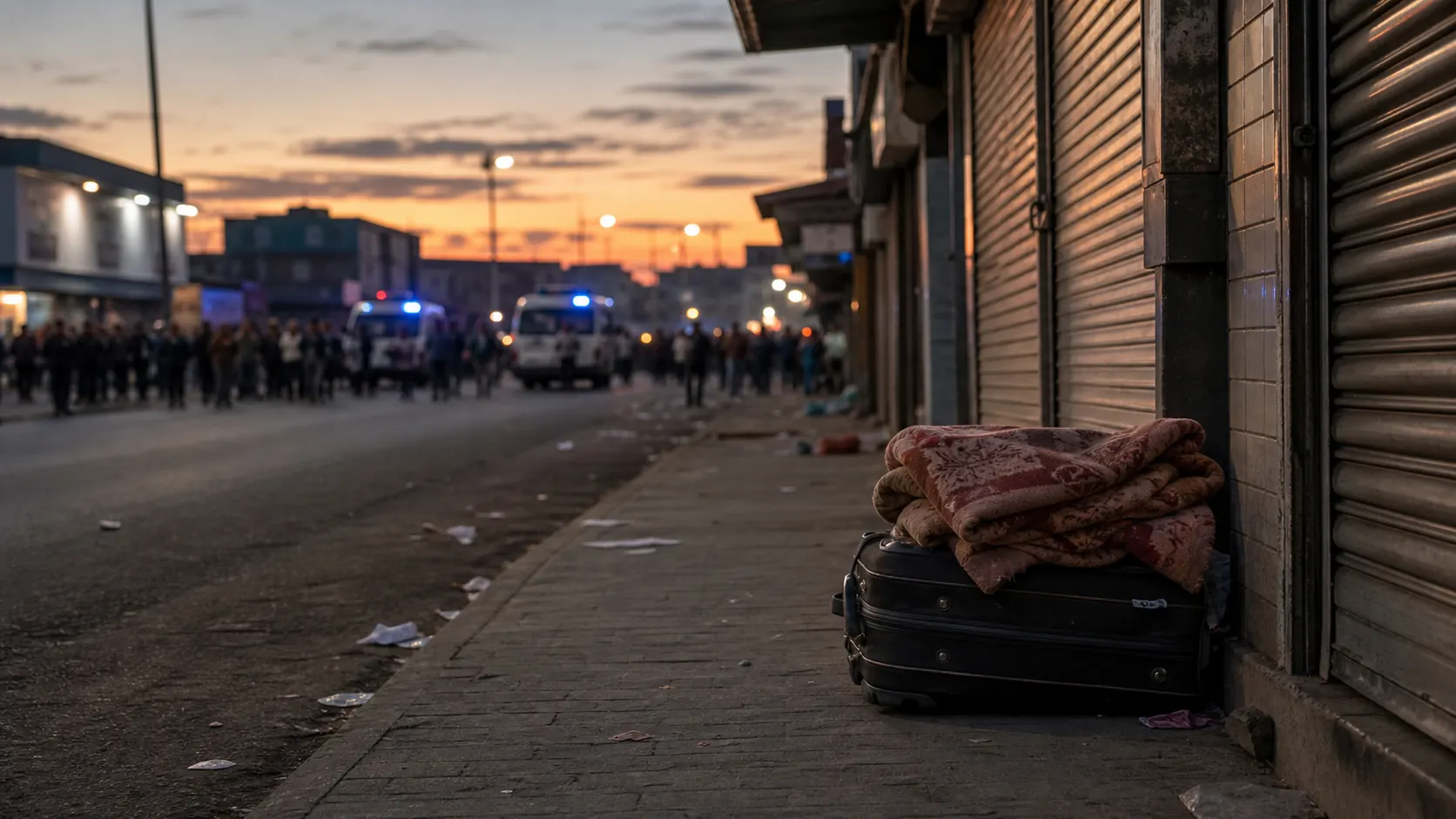
- Source
- MOZOM vergelijkt
- MOZOM headline
- MOZOM compares: South Africa migrant protest, enforcement or scapegoat politics?
- Original headline
- Anti-immigration marches in South Africa have been largely peaceful, but fear among migrants remains high
- Author
- MOZOM-redactie
- Date
- 1 juli 2026 om 20:37
- Subject
- South Africa deployed extra police around anti-immigration marches, while migrants and human rights observers warn that the debate over undocumented immigrants is quickly shifting to broader xenophobia.
Summary of the original report
The Guardian reports that South African authorities are deploying police units in several cities around demonstrations against undocumented foreign residents. The actions came after a self-declared deadline by action groups that wanted undocumented migrants out of the country. Organizers said they wanted to demonstrate peacefully and targeted undocumented migrants, but according to reports from The Guardian, Financial Times and Le Monde, documented migrants also felt threatened. Shops remained closed, families sought shelter and several countries helped citizens return. Le Monde emphasizes that the feared large-scale chaos on June 30 largely did not occur due to heavy police deployment, but places this in addition to previous attacks and political pressure. The Financial Times places greater emphasis on the experience of migrants who sought protection in South Africa and are now being hunted again.
Striking in this message
It is striking that the term undocumented in protest language sounds restrictive, while the consequences are much broader. As soon as people are asked on the street to show their papers, the pressure not only affects those who have no status, but also those who live legally in South Africa and are still treated as outsiders.
Less visible context
What is less visible is that South Africa has a long history of xenophobic waves of violence, while at the same time the country attracts many migrants from neighboring countries and conflict areas. The economic frustration is real: unemployment and poverty weigh heavily. But that is precisely why it becomes dangerous when political movements offer migrants as a quick explanation for structural problems that the government, economy and local services do not solve.
Possible message behind the news
One possible message is that poor migration enforcement becomes more dangerous when it is taken over by street movements.
Neutral conclusion
The neutral conclusion: the peaceful end of a day of protests is not proof that the problem is under control. South Africa faces a dual challenge: credibly implementing migration rules while preventing economic anger from turning into collective persecution of foreign Africans.