
MOZOM-analyse
Ukraine-EU negotiations: hope and homework at the same time
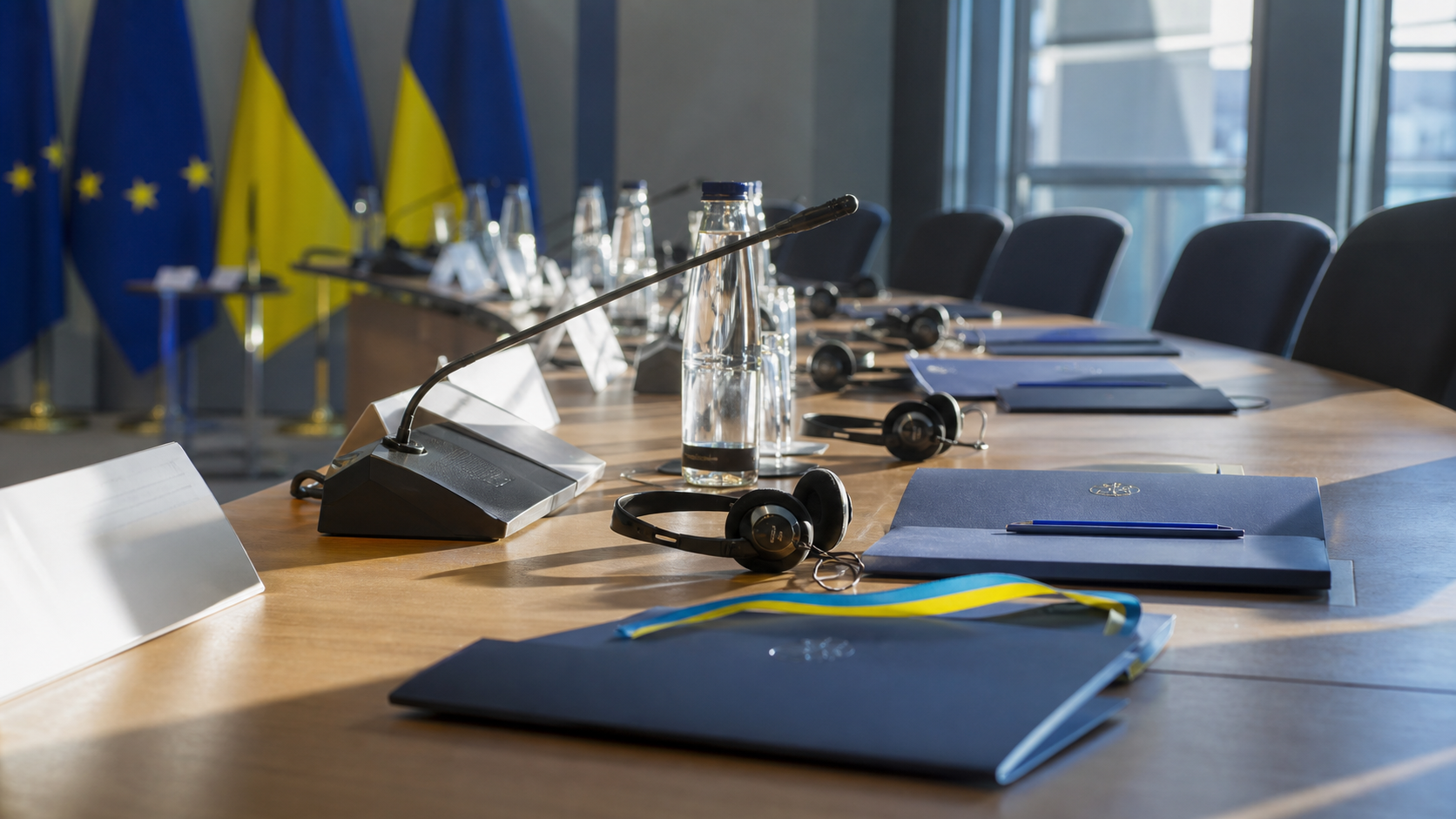
- Source
- AP News
- MOZOM headline
- Ukraine-EU negotiations: hope and homework at the same time
- Original headline
- Start of EU accession talks with Ukraine turns wartime support into a long institutional process
- Author
- MOZOM-redactie
- Date
- 21 juni 2026 om 22:37
- Subject
- The significance of EU accession talks with Ukraine as the war continues.
Summary of the original report
The start or progress of EU negotiations with Ukraine is symbolically large and practically slow. Symbolically, the EU says that Ukraine belongs to Europe and does not only deserve military support. In practical terms it means opening chapters, amending legislation, combating corruption, rule of law, budget and agricultural interests. For Kyiv, perspective is important during war. For existing member states, it is at the same time a test of support and capacity for reform within the EU itself. The gist is that this makes European support more institutional: less just emergency aid, more long-term mutual obligation.
Striking in this message
The tension between words such as historical step and technical chapter is striking. The first creates speed, the second makes it clear that real change is slow and administrative.
Less visible context
What remains less visible is that expansion also changes the EU itself. Budgets, agricultural subsidies, voting relations and border control become more complicated when a large country at war remains a candidate member.
Possible message behind the news
A possible message is that Europe is bringing Ukraine closer without immediately answering all the hard questions. The promise is great, but the bill and rules will follow later.
Neutral conclusion
The negotiations are an important signal for Ukraine, but above all the beginning of a long path in which solidarity is translated into reforms, money and political choices.