
MOZOM-analyse
Ukraine mobilization: human rights or manpower shortage?
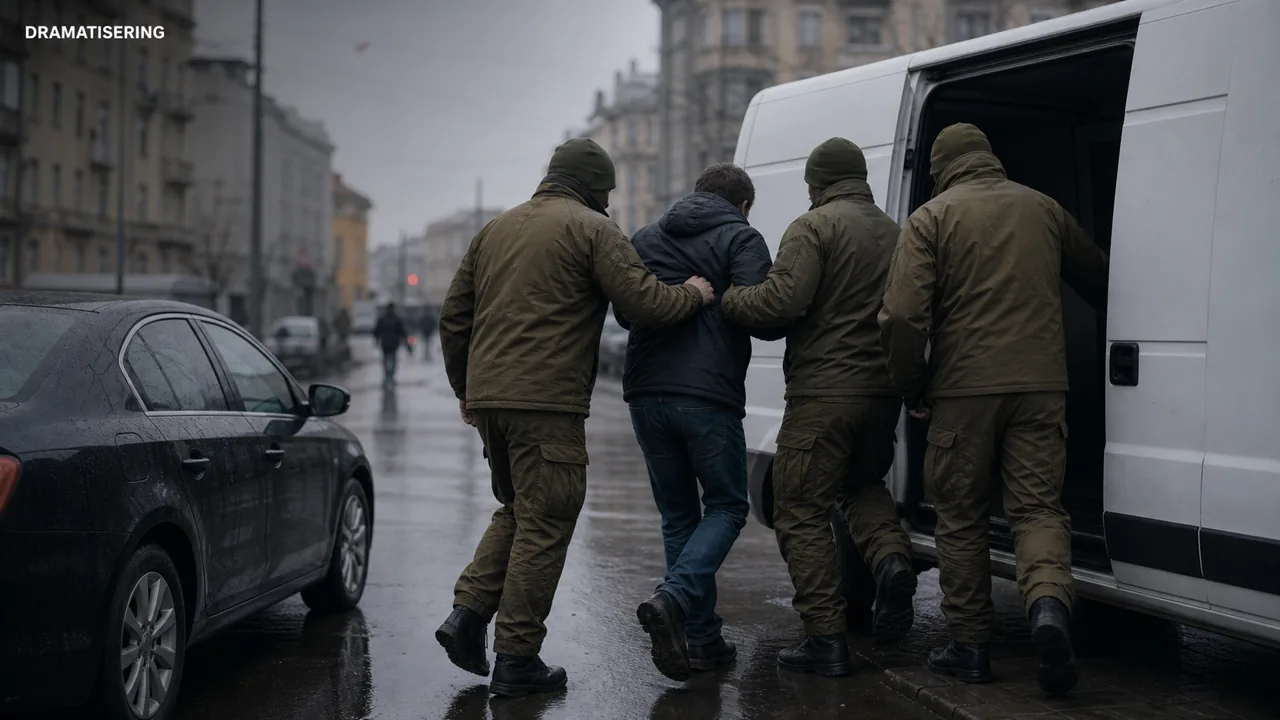
- Source
- AP, Le Monde en Guardian
- MOZOM headline
- Ukraine mobilization: human rights or manpower shortage?
- Original headline
- Reports of Ukrainian mobilization describe raids, controls, detentions and growing pressure due to soldier shortages
- Author
- MOZOM-redactie
- Date
- 28 juni 2026 om 02:21
- Subject
- Analysis of reporting on controversial mobilization practices in Ukraine, with attention to human rights, military necessity, social inequality and European responsibility.
Summary of the original report
AP reported in October 2024 that Ukrainian military recruiters in Kyiv checked restaurants, bars and a concert venue, reviewed military registration documents and detained men who did not comply. Around the same period, Le Monde described how mobilization was becoming increasingly controversial, with criticism of violence by recruiters, social differences in selection and the quality of training. The Guardian previously wrote about men who are in hiding or trying to flee the country to avoid conscription, and reported again in June 2026 that Ukraine is taking measures to deal with the shortage of military personnel. The visible news is therefore not only that Ukraine needs soldiers, but also that the way in which that need is met is under social and moral pressure.
Striking in this message
It is striking that much discussion remains stuck at two extremes: either Ukraine should be allowed to do everything because it defends itself, or every mobilization story immediately becomes evidence of total abuse. The reality is more difficult. A country at war may organize conscription, but coercive measures must remain controllable, proportionate and humane. The word mobilization sounds administrative; it feels much more direct for the man who is being checked on the street or for his family.
Less visible context
What is less visible is that mobilization is not just about numbers. It is also about trust in institutions, the risk of corruption, class differences and the question of who ultimately pays the highest price. Anyone who has money, connections or documents can sometimes find more space than someone without a network. As a result, a war presented as national defense can in practice weigh unequally on ordinary men and their families. Images and stories on social media can be misleading or incomplete, but the underlying tension has been described by several established media outlets.
Possible message behind the news
A possible message behind this news is that support for Ukraine needs to mature: beyond sending weapons and money, but also continuing to ask how mobilization is carried out and how ordinary citizens are protected from abuse.
Neutral conclusion
The neutral conclusion: Ukraine has a real manpower problem, but that does not absolve the state of the obligation to carry out mobilization in a constitutional and humane manner. Europe does not have to withdraw its support to point out abuses. On the contrary: anyone who says that Ukraine is fighting for freedom and democracy must demand that those values do not disappear when recruiting its own citizens.