
MOZOM-analyse
MOZOM analysis: fragile agreement around the Strait of Hormuz shows how quickly oil prices calm down while the vulnerable route itself is far from stable
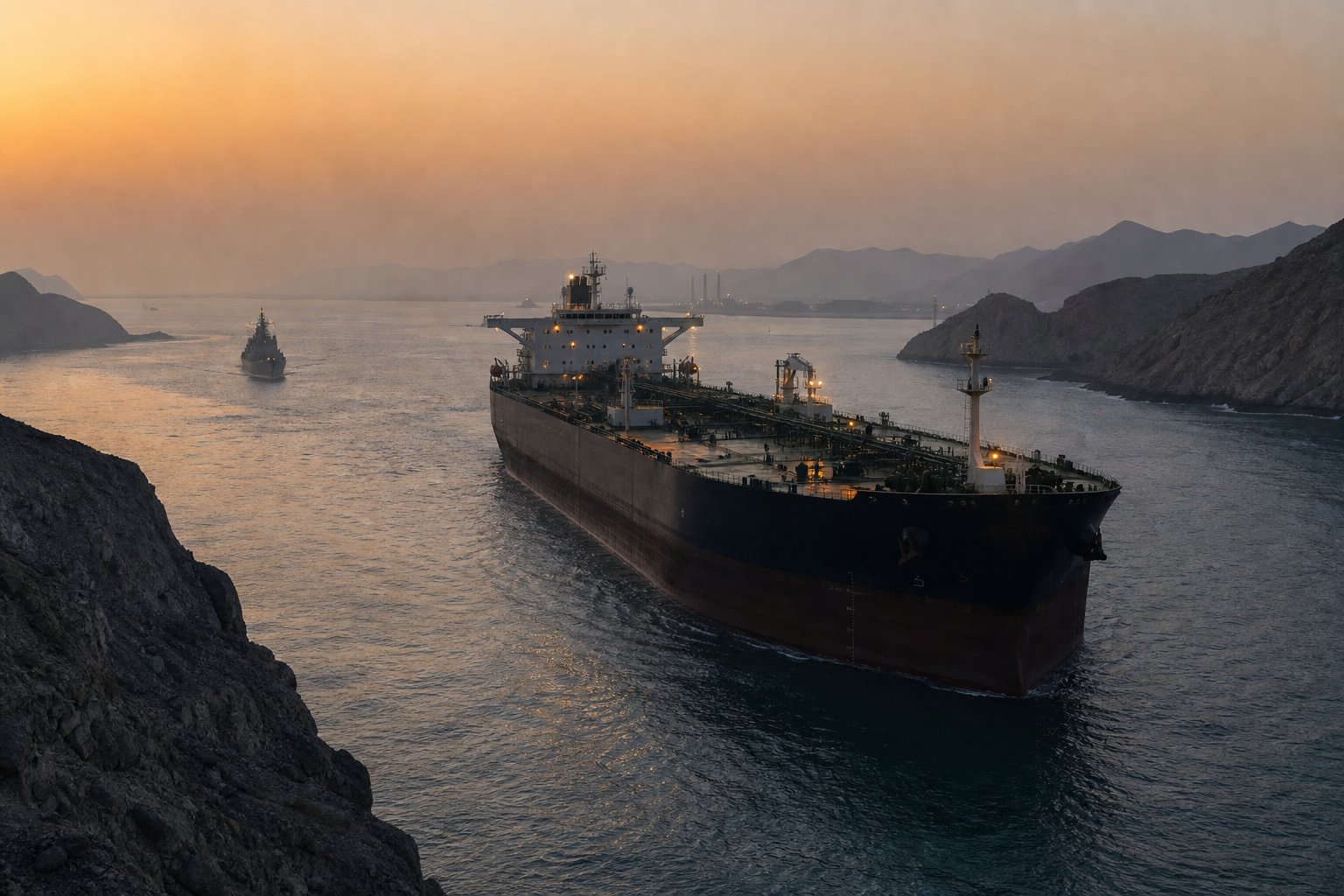
- Source
- Der Spiegel
- MOZOM headline
- MOZOM analysis: fragile agreement around the Strait of Hormuz shows how quickly oil prices calm down while the vulnerable route itself is far from stable
- Original headline
- Ölkrise: So you are happy in the Straße von Hormus weiter
- Author
- Redactie Der Spiegel
- Date
- 20 juni 2026 om 13:35
- Subject
- Der Spiegel describes how a shaky deal between the US and Iran is fueling hopes for detente in the oil market, while the Strait of Hormuz remains vulnerable to disruption and economic shockwaves as a crucial maritime route.
Summary of the original report
Der Spiegel writes that the shaky agreement between the US and Iran fuels hopes for decreasing oil panic, but that the Strait of Hormuz itself is far from safe or stable. This means that the story is not just about energy prices, but about the core of global vulnerability: markets like to respond to diplomatic signals, while the actual logistical risks often disappear much more slowly. For international readers, the Strait of Hormuz is one of the world's most important maritime chokepoints for oil and energy transport. This is precisely why a fragile agreement is not a structural solution. As long as shipping routes remain uncertain, insurance costs remain high and the threat of new disruption hangs over the market, any price drop will continue to depend on confidence that has not yet been fully earned. The economic news is therefore not only in what oil costs today, but in how fragile the assumption remains that the flow will actually be safe tomorrow.
Striking in this message
It is striking that the headline directly links the sequel in the Strait of Hormuz to an oil crisis. As a result, the reader is immediately placed in an economic crisis logic, even before it is clear whether the greatest threat has really passed. The word crisis draws sharp attention to price, scarcity and global impact. At the same time, it quickly disappears from view that geopolitical relaxation on paper and operational safety at sea operate at two different speeds.
The broader framework
For international readers, it will help to briefly clarify that the Strait of Hormuz lies between Iran and Oman and is strategic as a transit route for much of the world's oil exports from the Gulf region. Less visible in many reports is that the market usually does not wait for complete safety: prices already respond to language, intentions and suspicions of de-escalation. Underlying this message is therefore a recurring pattern in global economics and geopolitics: capital often normalizes risk faster than shipping, infrastructure and insurers can. As a result, a fragile file can already fuel optimism, while the logistical reality is still full of tension.
Possible message behind the news
One possible message behind this news is that oil prices often respond to the feeling that conflict is subsiding rather than to evidence that the transport chain is actually safe. In plain language: the market wants to believe that the worst is over, even if the route itself is still full of uncertainty. Between the lines, the picture emerges that this peace is mainly temporary and that the real test will only come when tankers, ports and insurers can operate for a longer period of time without new shocks.
Neutral conclusion
The article thus shows that, for the time being, peace around the Strait of Hormuz is more visible financially than it is proven logistically. It is precisely that difference that makes this oil relaxation fragile: not because there is no agreement, but because the route on which everything depends remains vulnerable.