
MOZOM-analyse
MOZOM analysis: Thames Water shows how basic provision and market logic collide
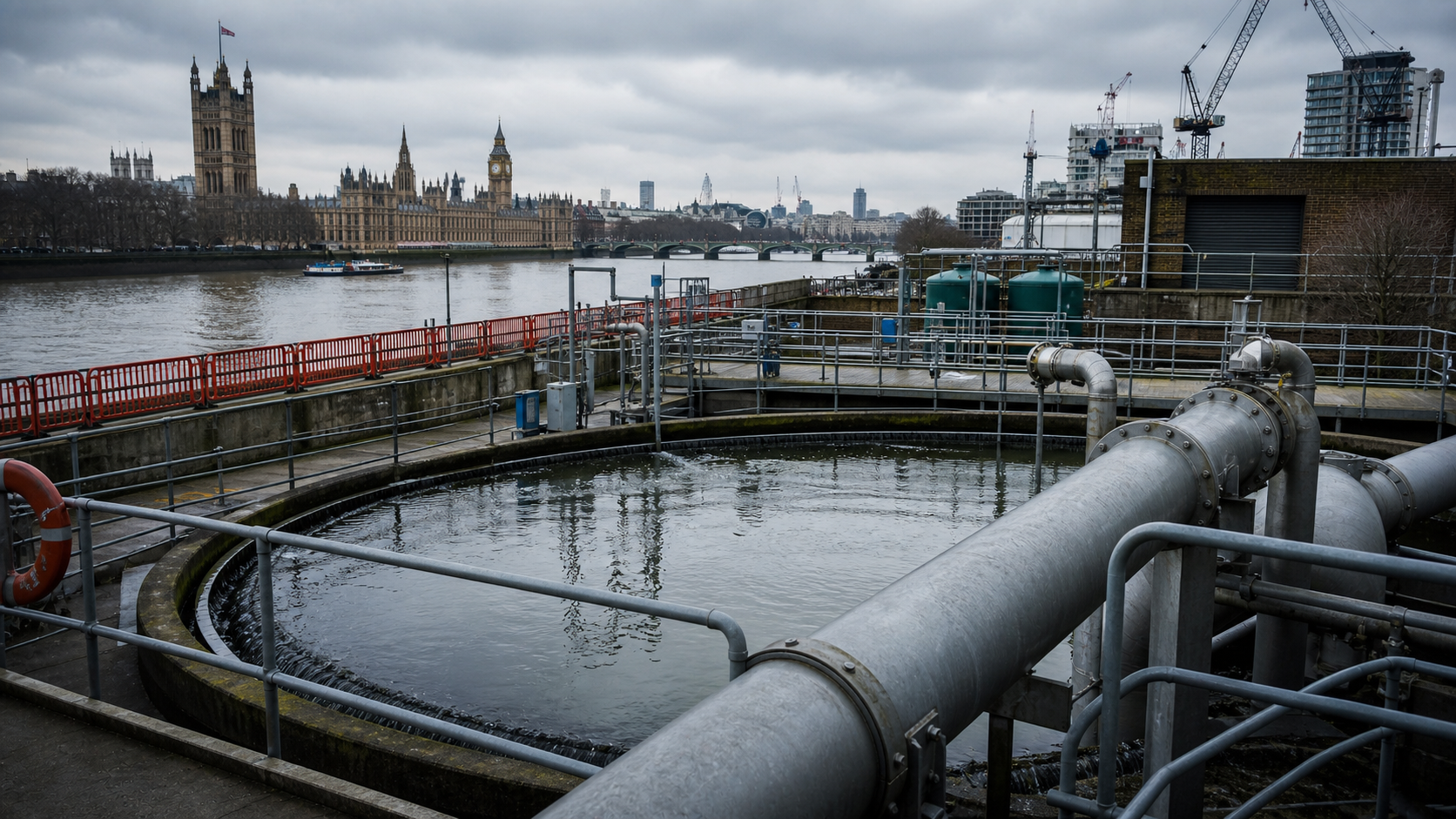
- Source
- BBC News
- MOZOM headline
- MOZOM analysis: Thames Water shows how basic provision and market logic collide
- Original headline
- Thames Water closer to nationalization after government objects to rescue deal
- Author
- BBC News
- Date
- 16 juni 2026 om 10:22
- Subject
- British government opposes rescue deal for water company Thames Water.
Summary of the original report
BBC News reports that Thames Water is moving closer to nationalization after the British government objected to a bailout deal. According to the feed, the environment minister believes that the deal does not do enough for consumers or the environment. The message revolves around water, debt, consumer interests and public responsibility. The parties involved are the British government, Thames Water, consumers, creditors and environmental interests. The central event is that a private rescue solution is considered politically insufficient. This brings renationalization back into view as a possibility.
Striking in this message
The words closer to nationalization give the message a great system charge. It is no longer just about one company with financial problems, but about the limits of privatization. The emphasis on consumers and the environment makes it clear that financial rescue is not enough if public interests are insufficiently protected.
Less visible context
Less visible is how long the problems have been building up: investments, debts, shareholders, regulation and maintenance. Water is not an ordinary product; Citizens cannot easily switch to another tap. As a result, the demand for ownership and supervision is heavier than in a normal market.
Possible message behind the news
One possible message is that some facilities are too important to treat solely as investment objects. When the water company, customer interests and the environment are under pressure at the same time, the government returns as the last safety net. For ordinary people, the question is simple: who will ensure that clean water continues to flow, even if the revenue model fails?
Neutral conclusion
The article is not just about Thames Water, but about the question of how much market forces are appropriate for an indispensable basic facility.