
MOZOM-analyse
Belgian road vignette 2027: legally vulnerable if Belgians are compensated in net terms
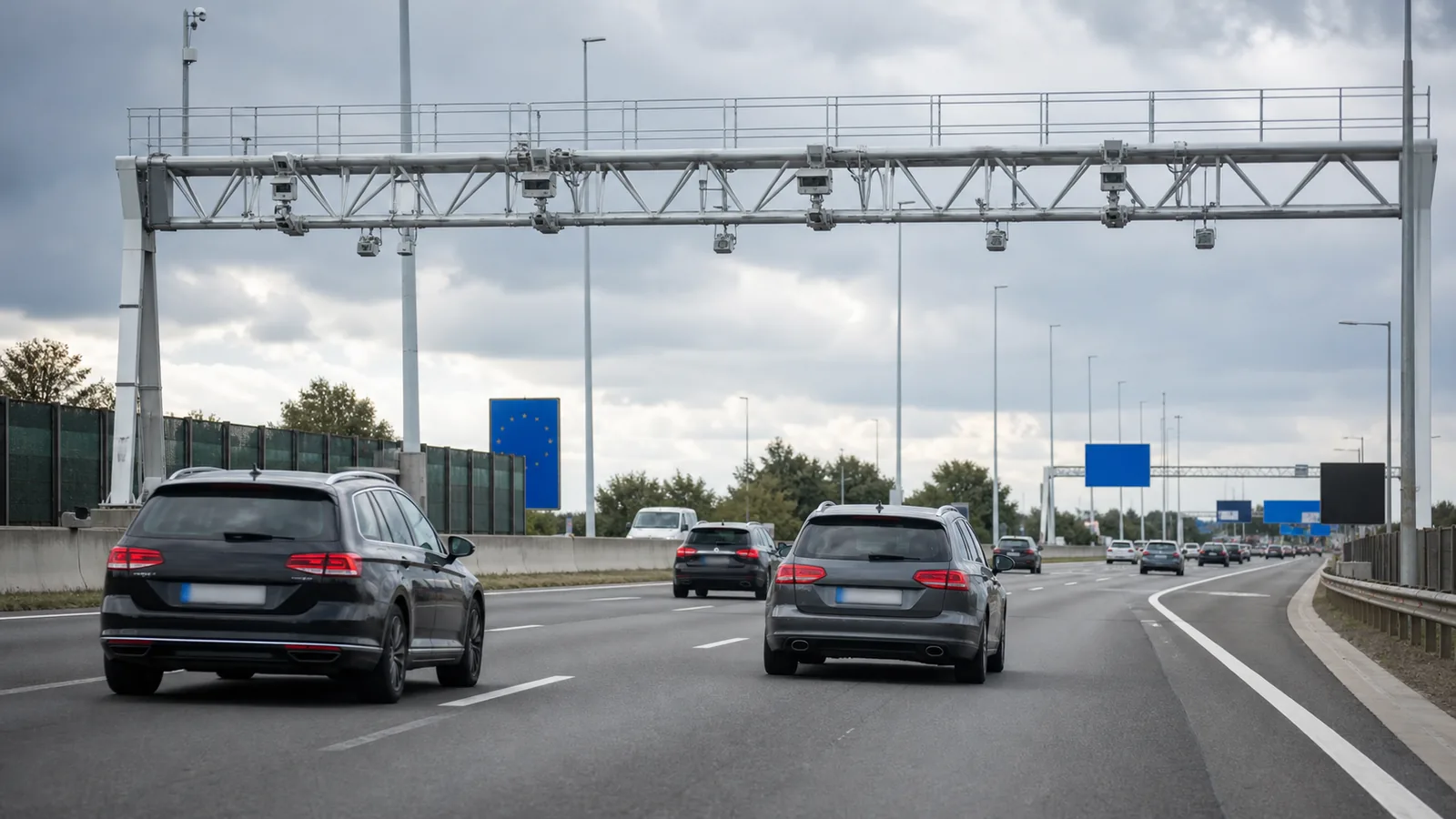
- Source
- Vlaamse overheid, Vlaams Parlement, EU-Hof, ECER, NOS en Europese Commissie
- MOZOM headline
- Belgian road vignette 2027: legally vulnerable if Belgians are compensated in net terms
- Original headline
- Belgium wants a digital road vignette for Belgian and foreign passenger cars from May 1, 2027
- Author
- the MOZOM.nl editorial team
- Date
- 11 juli 2026 om 01:48
- Subject
- MOZOM is investigating whether the Belgian road vignette for foreigners can legally conflict with EU rules when Belgian motorists are compensated through road tax.
Summary of the original report
On its official page, the Flemish government mentions May 1, 2027 as the start date, not January 1, 2027. The page states that the vignette will be mandatory for Belgian and foreign users of regional roads and motorways, but also that the details are still subject to final approval by the Flemish Parliament. According to that page, the rates depend on the Euro standard and duration: 1 day, 10 days, 1 month, 2 months or 1 year. In the official table, an annual vignette amounts to 125 euros for older vehicles, 100 euros for Euro standard 4 and higher and 90 euros for emission-free vehicles. This does not mean that the vignette itself is automatically prohibited. EU countries may charge road use, as long as the system does not discriminate directly or indirectly and short vignettes do not become disproportionately expensive. The legal alarm bell goes off when the vignette is linked to a tax reduction for its own residents.
Own source research
MOZOM has examined the plan based on three legal questions. Question one: can Belgium introduce a road vignette? In principle yes, provided the system does not discriminate, is proportionate and fits within EU rules for road pricing and free movement. Question two: can Belgium allow its own car owners to pay less road tax at the same time? That is only possible within limits. A general reform of the road tax does not have to be prohibited, but a direct or almost complete refund of the vignette to Belgian vehicle owners is exactly the problem in the German case. Question three: who bears the net burden? If the net additional burden falls mainly or exclusively on vehicles from other Member States, this creates a strong argument for indirect discrimination based on nationality and an obstacle to the free movement of goods and services. The current official Flemish information is not yet a definitive legal text, so the firm conclusion cannot yet be that the Belgian system is illegal. The tenable conclusion is that one-on-one compensation would be legally very vulnerable.
Striking in this message
It is striking that the word 'everyone' is not enough here. A scheme may apply on paper to Belgians and foreigners and yet in practice mainly affect foreigners. That is the lesson of the German toll case. The question is therefore not only who has to buy a vignette, but who actually pays after all the tax adjustments.
Less visible context
Less visible is that reciprocity feels politically logical, but is not legally decisive. The fact that Belgian motorists in the Netherlands do not have to purchase a general road vignette does not automatically make a Belgian vignette prohibited. EU law does not prohibit a country from charging road use. It does, however, prohibit a Member State from passing the buck, in a roundabout way, mainly to drivers from other Member States. For Dutch people at the border, the difference feels like discrimination; Legally it only becomes real discrimination when the Belgian compensation neutralizes the vignette for Belgian vehicle owners.
Possible message behind the news
A possible Belgian message is that everyone who uses Belgian roads must also contribute. The critical MOZOM reading is that such a message only remains sustainable if 'everyone' also means something net, and not just on the purchase form of the vignette.
Neutral conclusion
The legally cautious conclusion: the Belgian road vignette is not automatically contrary to EU rules because foreigners also have to pay. It does become legally vulnerable if Belgians are fully or almost fully compensated through a linked reduction in road tax. The same EU law problem then arises as in the German toll case: a formally general tax that in practice mainly taxes vehicles from other Member States. As long as the definitive Belgian law or regulation has not yet been established, the best headline is not that Belgium has already proven to discriminate, but that the Belgian road vignette is legally at risk due to the planned compensation for its own motorists.
Source:
- Vlaanderen.be: Wegenvignet vanaf 1 mei 2027
- Vlaams Parlement: meer duidelijkheid over het wegenvignet
- ECER: C-591/17 Oostenrijk tegen Duitsland over tol en compensatie
- Hof van Justitie EU: arrest C-591/17 Oostenrijk tegen Duitsland
- Europese Commissie: road charging in the EU
- NOS: Belgie wil verplicht tolvignet volgend jaar mei invoeren