Rubriek

Technology

Technology: MOZOM analyses with source attribution, context, interpretation and framing.

Technology

13 articles

Textless editorial caricature of a citizen for closed transport, healthcare, payment, government, home and car, while one central button blocks all access.
NS, Translink/OVpay, Europese Commissie, EDPS, NCSC, Autoriteit Persoonsgegevens, Rijksoverheid, Bundesdruckerei en eu-LISA 19 september 2026 om 12:00

One identifier for everything, but who controls the button?

The public transport pass seems to be a normal replacement for the public transport chip card, but technically the administration is shifting: data is no longer mainly on the card, but in Translink's online back office. This offers convenience, faster service and new discount options. At the same time, it makes traveling more dependent on central systems. The bigger question is therefore not whether digitalization has advantages, but how many functions we ever want to link to one digital identity and who will then have the power over access, blocking and recovery.

Technology Read analysis

Realistic editorial caricature in which a citizen is obliged to give documents to a tax official while behind him a hacker steals data from a cracked digital government vault
DGFiP, CNIL, Assemblée nationale, Le Monde, Reuters, RFI en officiële Franse overheidsdocumenten 16 augustus 2026

The digital state knows everything about you, but who protects that data?

The tax authorities require complete openness about income, family, home and business. Citizens cannot go to a competing tax authorities and cannot simply refuse the requested information. That is precisely why the French cyber attack is more than a technical incident. The DGFiP shut down unauthorized access at the end of June, but did not discover that data had been copied at the time. Only after an attacker emerged with the loot on August 12 did the scale become visible: data from 678,000 private individuals and companies had been consulted and captured.

Technology Read analysis
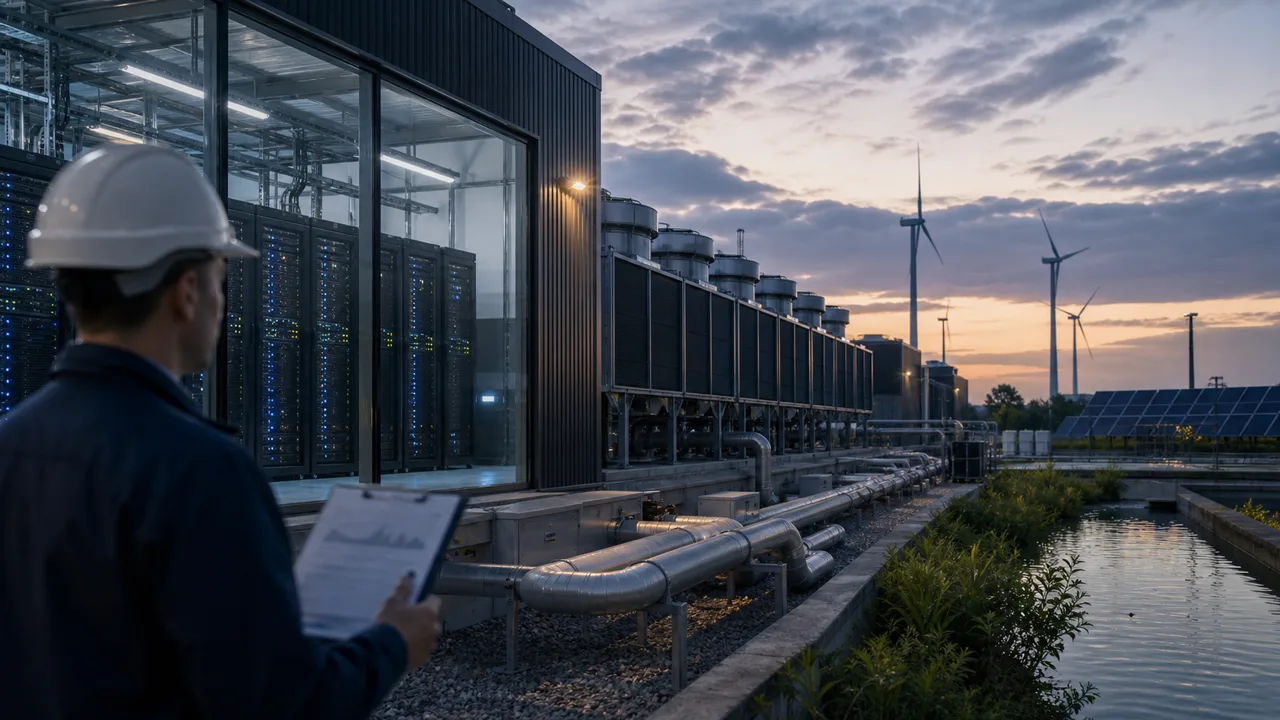
Realistic editorial caricature of a data center diverting a lot of water to cooling towers while dry coolers are available and households receive little water
RIVM, Rijkswaterstaat, Europese Commissie, Berkeley Lab, IEA, ASHRAE en wetenschappelijk onderzoek 6 augustus 2026 om 12:48

Data centers choose water cooling to cut costs

A data center can be cooled without millions of liters of drinking water. That is not a theory: dry air coolers, free outside air, closed hot water loops, direct chip cooling, immersion cooling, seawater and purified wastewater are already used. Yet evaporative cooling towers remain attractive. Water removes a lot of heat and can reduce power consumption, the size of cooling installations and operating costs. That is precisely where the public conflict arises. When scarce water is available cheaply and the price does not reflect local drought risks, the data center makes the savings while residents, nature and the water company can feel the pressure on the source and infrastructure. That's not evidence of a secret plan. It is a demonstrable economic incentive that requires transparent permits, fair rates and technical conditions.

Technology Read analysis
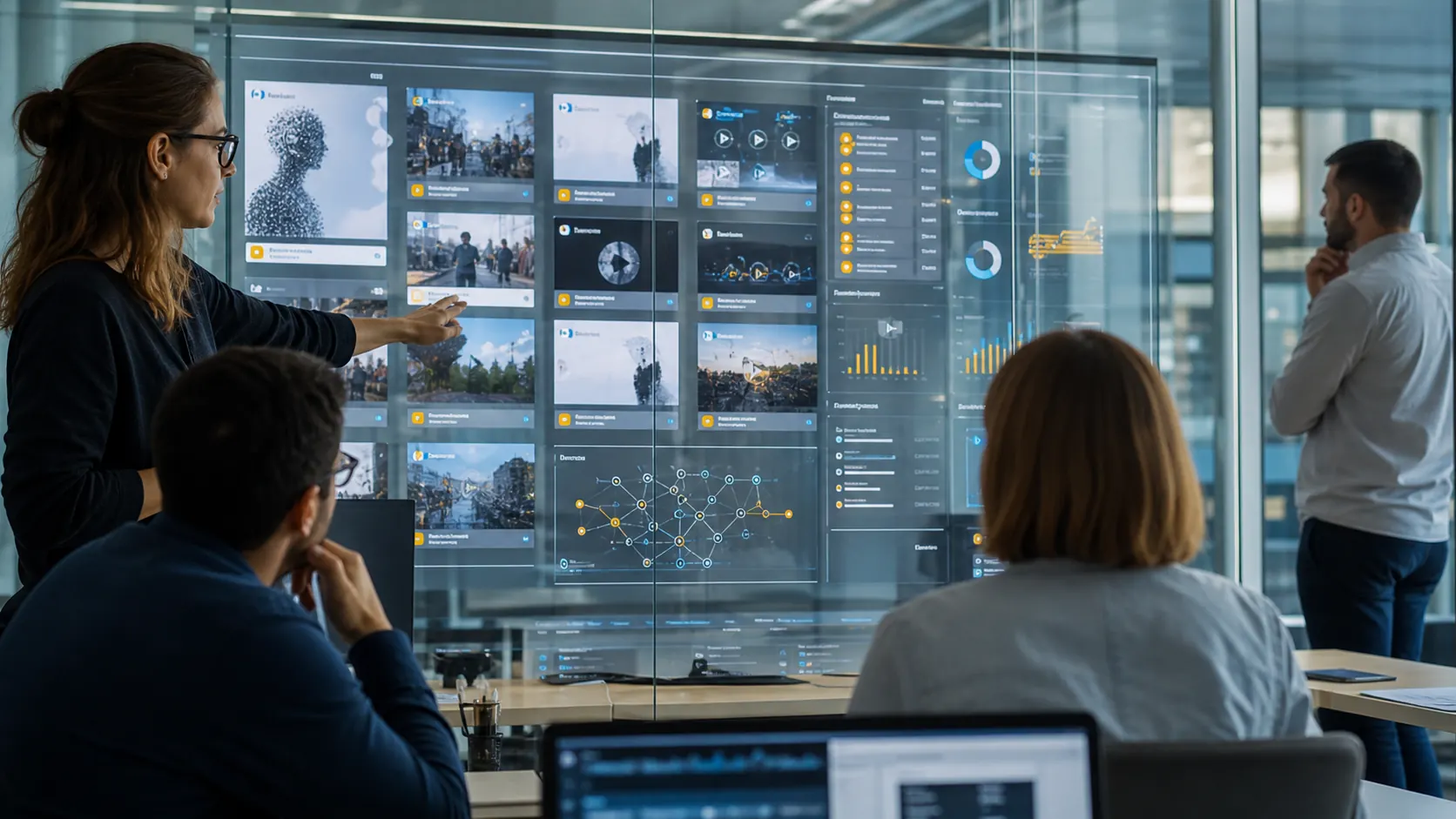
Realistic editorial image of a European digital control room with abstract AI content labels and a platform dashboard, illustrating AI Act and DSA oversight.
Europese Commissie, AI Act Service Desk, DSA Transparency, OpenAI, The Guardian, Financial Times en Reclaim The Net 1 augustus 2026 om 08:55

EU labels for AI: protection for citizens or a new switch on the flow of information?

A label looks harmless. A line of text near a chatbot, a mark on an AI image, a warning around a deepfake. But from 2 August 2026 a new layer becomes visible in the EU: not only the content matters, but also who may decide that content is artificial, risky, illegal, misleading or socially sensitive. That is where the real MOZOM question begins.

Technology Read analysis
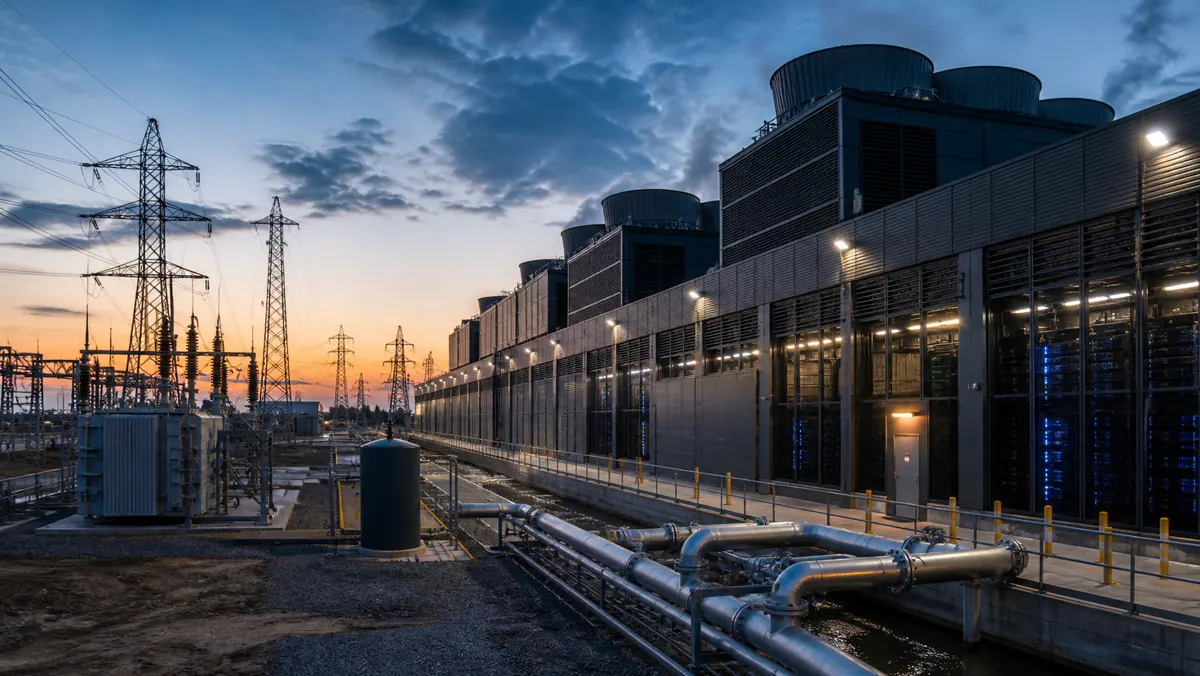
Realistic editorial photo of a large data center with power poles, transformers, cooling installations and water pipes as an image of power and water consumption of digital infrastructure.
NRC, IEA, CBS, AP, UNU-INWEH, Microsoft en Google-context 14 juli 2026 om 08:52

Data centers guzzle power and water: cloud convenience or hidden utility?

NRC suddenly makes the cloud tangible in the Netherlands: a Microsoft data center would use approximately 1 percent of all Dutch electricity, while Google does not want to provide insight into consumption, according to the newspaper. This is newsworthy because data centers worldwide can no longer be treated like normal commercial buildings. They become major consumers of electricity, water and grid capacity, but public control often lags behind the physical impact.

Technology Read analysis
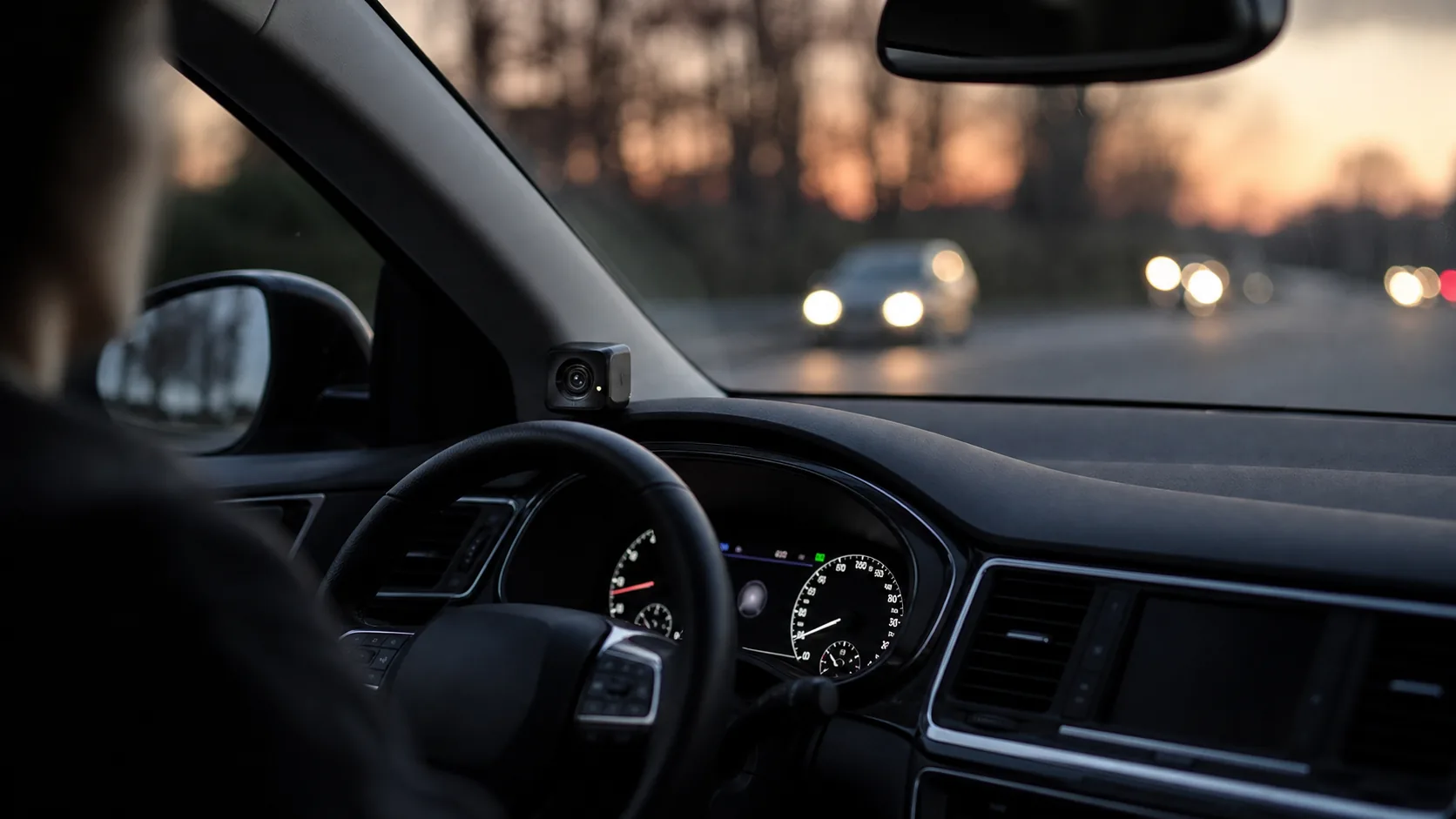
AI image of a modern car interior with a small driver's camera near the dashboard as an illustration of ADDW, road safety and privacy.
Europese Unie, Europese Commissie, EDPB, Euro NCAP en connected-car privacybronnen 10 juli 2026 om 05:07

EU camera in new cars: road safety or start of surveillance infrastructure?

From July 7, 2026, every newly registered car in the EU must have a system that can recognize driver distraction. The official reason is road safety. The critical question is what happens socially when a camera or similar sensor in the car becomes normal, even if the current law says that the system must remain closed and is not intended for identification.

Technology Read analysis