
MOZOM-analyse
MOZOM compares: Burkina Faso closes UN human rights office, sovereignty or silence?
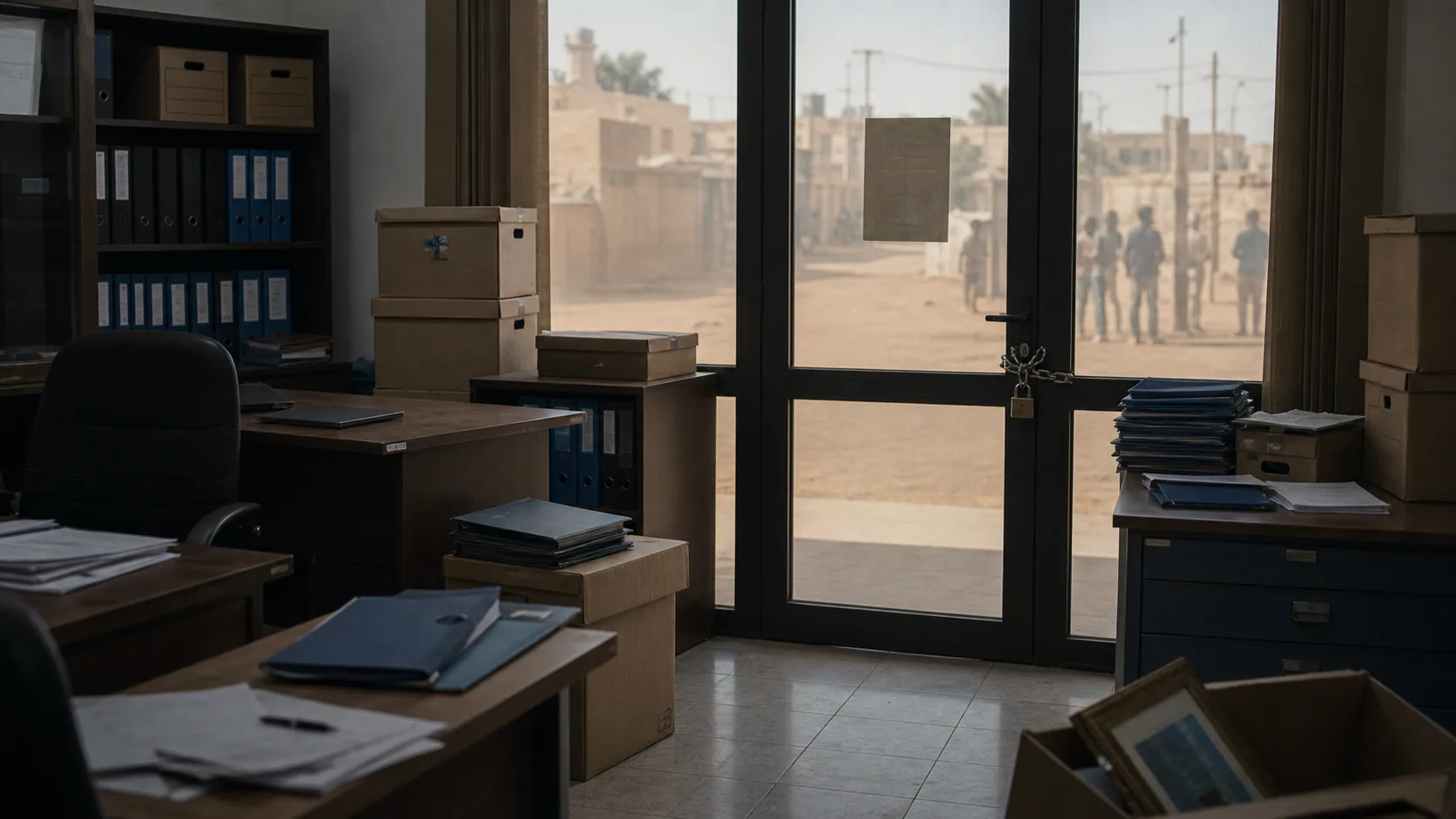
- Source
- Human Rights Watch, OHCHR, APA News en Amnesty International
- MOZOM headline
- MOZOM compares: Burkina Faso closes UN human rights office, sovereignty or silence?
- Original headline
- Burkina Faso forces closure of the UN human rights office
- Author
- Paul Giezen
- Date
- 2 juli 2026 om 19:22
- Subject
- Burkina Faso closes the country office of the UN human rights organization OHCHR, while human rights organizations warn of less independent monitoring in a country with violence, military power and shrinking civil space.
Summary of the original report
Human Rights Watch reports that Burkina Faso is expelling the UN human rights office and that the office must close by the end of November 2026. According to HRW, the office had had a presence in the country since 2019 and later became a full-fledged country office. APA News writes that the UN organization has started a wind-down phase after suspending its activities. OHCHR itself describes on its country page the mandate regarding human rights monitoring, technical support and cooperation with national institutions. Earlier in 2026, Amnesty placed the dissolution of local NGOs in the same broader trend: less space for civil organizations and independent control.
Own source research
MOZOM has placed four source layers next to each other. First layer: HRW calls the closure a serious blow to independent human rights monitoring. Second layer: OHCHR shows why the office was relevant: country work, technical support and human rights reporting. Third layer: APA describes the diplomatic procedure of dismantling and closure. Fourth layer: Amnesty places previous NGO dissolutions in the pattern of shrinking civic space. MOZOM's own layer: the question is not only whether Burkina Faso has the formal right to close an office, but what disappears when documentation, international presence and civil organizations are simultaneously given less space.
Striking in this message
The contrast between office and signal is striking. An office sounds small: rent, staff, files, access passes. But the political signal is bigger. Removing human rights monitoring also changes the visibility of what is happening in conflict areas.
Less visible context
It is less visible that Burkina Faso does not stand alone. In the Sahel, several military governments are moving toward stronger control over international organizations, media, NGOs and foreign influence. That can be sold as anti-colonial sovereignty. At the same time, the same language can serve to weaken domestic criticism, civil rights and independent reporting.
Possible message behind the news
A possible message is that power is not only visible through what it says, but also through who it allows to watch.
Neutral conclusion
The neutral conclusion: Burkina Faso closes the UN human rights office as a sovereign state. But as a news layer it is more than an administrative measure. In a country with violence, military power and shrinking civil space, less international monitoring also means less insight into who protects citizens, who harms them and who can still report on this publicly.