
MOZOM-analyse
MOZOM compares: Russian attack on Kyiv July 2, 2026, retaliation or pressure on civilians?
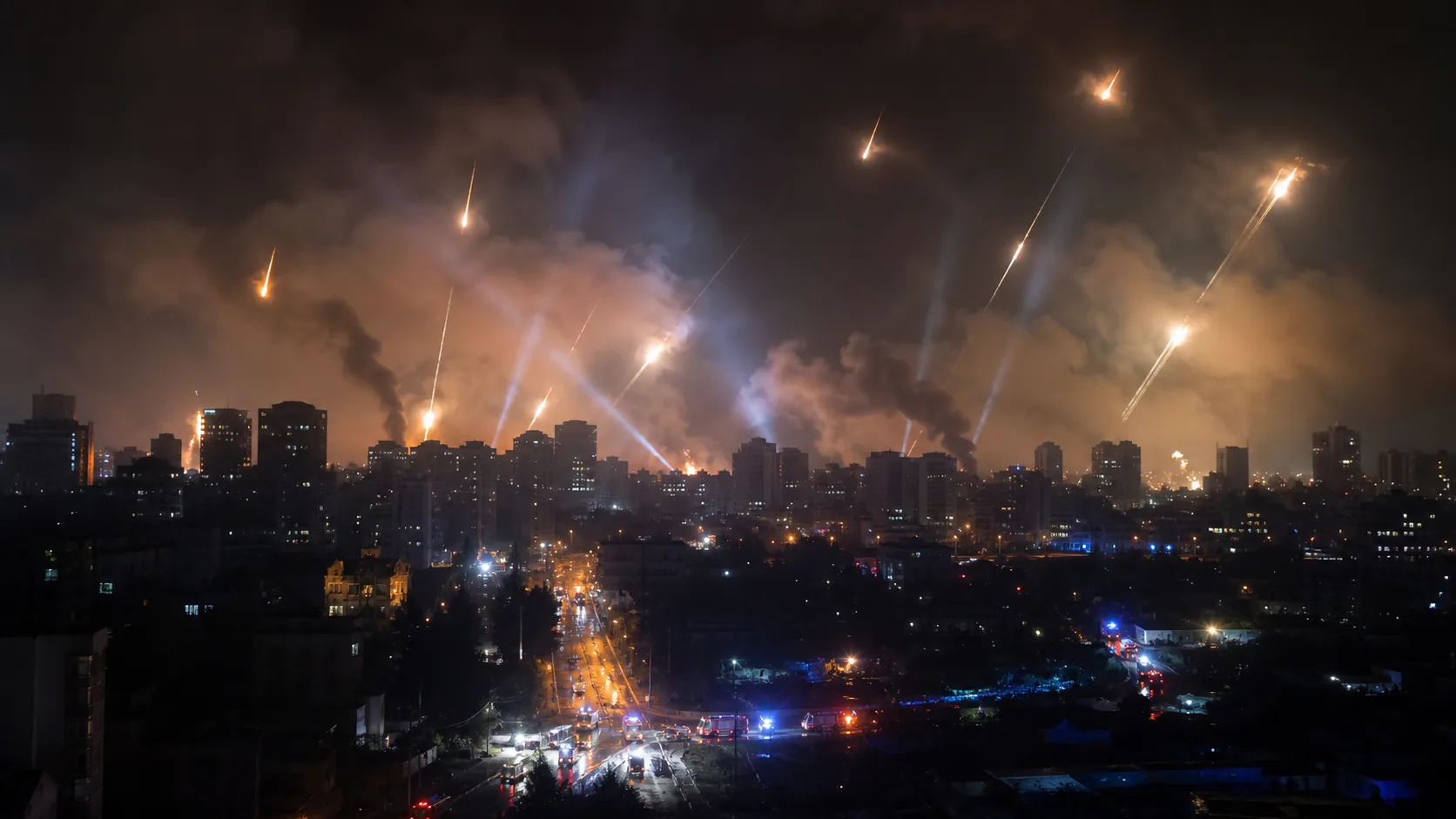
- Source
- AP, The Guardian, Al Jazeera en verklaringen van Oekraïense en Russische autoriteiten
- MOZOM headline
- MOZOM compares: Russian attack on Kyiv July 2, 2026, retaliation or pressure on civilians?
- Original headline
- Russian drone and missile attack on Kyiv kills at least 20 people and puts pressure on air defenses
- Author
- the MOZOM.nl editorial team
- Date
- 2 juli 2026 om 16:37
- Subject
- Russia carried out a sustained drone and missile attack on Kyiv on the night leading up to July 2, 2026, killing at least 20 civilians and injuring dozens to more than 90 people, according to local authorities.
Summary of the original report
According to AP, the attack on Kyiv lasted about eleven hours and left at least 20 civilians dead. Ukrainian authorities reported damage in dozens of places in the city, mainly to residential buildings and civilian infrastructure. AP writes that Russia deployed a total of 74 missiles and 496 drones, according to the Ukrainian air force. The Guardian reported that the attack hit several districts, that Friday was declared a day of mourning in Kyiv and that Poland ordered fighter planes to take off as a precaution. Al Jazeera placed extra emphasis on President Volodymyr Zelenskyy's warning shortly before the attack and on the heavy damage to residential blocks.
Own source research
MOZOM has placed three layers next to each other. First layer: the numbers. AP mentions at least 20 deaths, more than 90 injuries, 74 missiles and 496 drones; The Guardian reports at least 20 deaths and 86 injuries, with damage in several districts. Second layer: the locations. The damage is described not only as military, but also to residential buildings, civilian infrastructure, subway shelters and rubble clearance. Third layer: the strategic context. Russian sources cite retaliation for Ukrainian attacks on oil infrastructure, while Ukrainian officials say Russia as an aggressor has no right to present civilian targets in response. MOZOM's own layer: the real question of power is not only in who fires the rocket, but in who can control the night-time living space of a city.
Striking in this message
It is striking that the word 'retaliation' can shift the moral order. It turns an attack on a capital into one response in a series. But a city under air raid siren for eleven hours is more than a chess move on a map. By focusing on the word retaliation, civil damage can fade into the background.
Less visible context
It is less visible that air defense is not just a military theme. It determines whether schools can open, whether people can sleep, whether hospitals continue to operate and whether a capital can function as a normal city. Drones are relatively cheap and plentiful; ballistic missiles are much more difficult to intercept. As a result, an attack can also succeed if a large proportion of the incoming weapons are shot down: the pressure on civilians, rescue services and infrastructure remains.
Possible message behind the news
One possible message is that modern air war affects not only frontlines, but also sleep, shelters, energy and a city's psychological breathing space.
Neutral conclusion
The neutral conclusion: the July 2, 2026 attack on Kyiv is not just a new war message, but a framing test. Moscow calls it retaliation; Kyiv and its allies mainly see an attack on civilians and civilian living space. The figures make it clear why that difference matters: hundreds of drones and dozens of missiles turn into a strategic means of pressure overnight.