
MOZOM-analyse
MOZOM analyzes: Codex Alimentarius CAC49, food safety or trade power?
- Source
- WHO, FAO/WHO Codex Alimentarius en Codex CAC49
- MOZOM headline
- MOZOM analyzes: Codex Alimentarius CAC49, food safety or trade power?
- Original headline
- Forty-ninth session of the FAO/WHO Codex Alimentarius Commission adopts new standards
- Author
- the MOZOM.nl editorial team
- Date
- 6 juli 2026 om 01:25
- Subject
- MOZOM investigates why the 49th session of the Codex Alimentarius Commission is not just about technical food standards, but also about health, labels, export regulations and power in the global food trade.
Summary of the original report
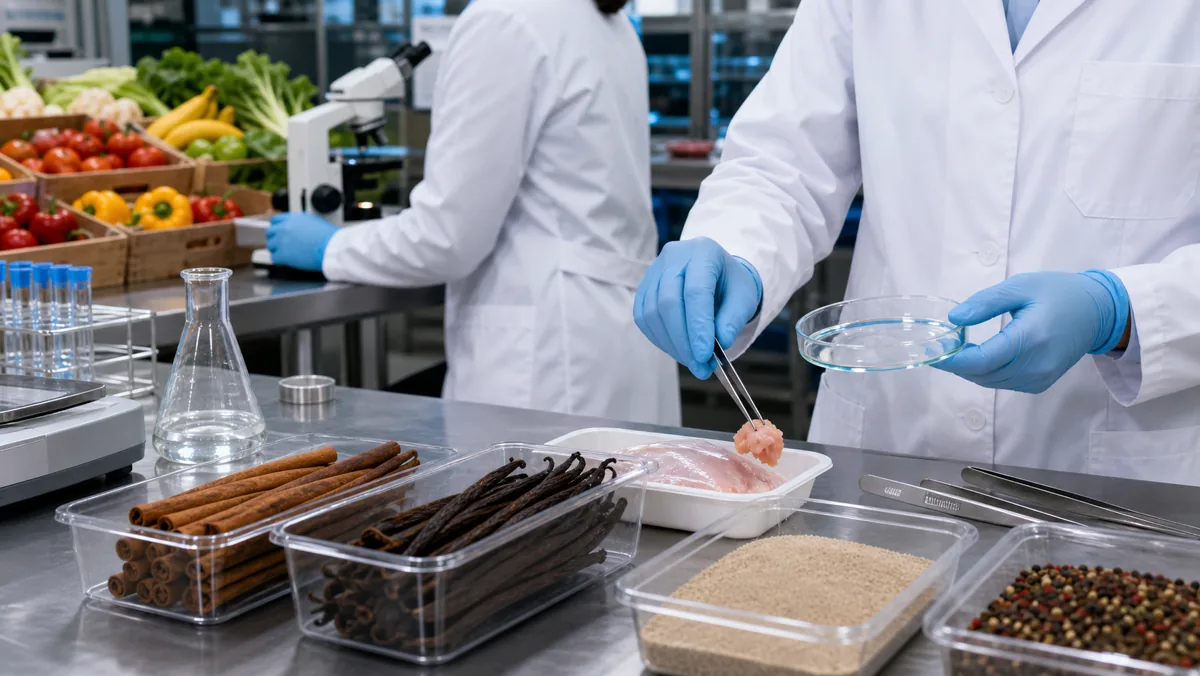
The FAO/WHO Codex Alimentarius Commission will hold its 49th session from 6 to 10 July 2026 in Geneva. According to WHO and the official CAC49 page, the plenary discussions will take place from Monday, July 6 to Wednesday, July 8, with the report being adopted on Friday, July 10. The agenda includes texts prepared by seven Codex technical committees. Standards proposed for adoption include major cardamom, vanilla, baker's yeast, guidelines for Campylobacter and Salmonella in chicken meat, Listeria monocytogenes in food, food additives, precautionary labeling of allergens and labeling in emergency situations. The broader Codex explanation says the standards should protect consumers and support fair practices in international food trade.
Own source research
MOZOM has placed three source layers next to each other. Layer one is the concrete CAC49 agenda: spices, vanilla, baker's yeast, chicken meat, Listeria, food additives, allergens and emergency labeling. Layer two is the institutional role: Codex is an FAO/WHO system with 188 Member States, the European Union as a member organization and hundreds of observers. Layer three is the legal and economic impact: Codex standards are recommendations, but are often used as a basis for national rules and trade agreements. MOZOM's own layer is that food safety is not separate from trade power. Whoever writes the standard also indirectly determines which laboratories, certificates, labels and production methods are considered normal worldwide.
Striking in this message
It is striking that Codex language deliberately sounds neutral: standards, guidelines, codes of practice, maximum residue limits. This neutrality is necessary for science and trade, but it can obscure the fact that standards can create winners and losers. An allergen warning can protect consumers; a residue standard can block exports; a hygiene directive can require small slaughterhouses or producers to make expensive adjustments.
Less visible context
What is less visible is that food safety is becoming increasingly international. A spice, chicken fillet, yeast product or additive moves through chains with farmers, processors, laboratories, transporters, supermarkets and regulators. Once a standard becomes international, food policy shifts from the local market to a system of certificates, testing, labels and border control. This can make food safer, but it can also increase dependence on technical capacity.
Possible message behind the news
One possible message is that international food standards protect consumers. The critical counter-reading is that the same standards also determine who can export smoothly, who must invest and who is left behind in the food chain.
Neutral conclusion
The neutral conclusion: CAC49 will discuss new FAO/WHO food standards from July 6 to 10. The sharper MOZOM lecture: this is not a small technical meeting. It is a place where health, trust and global trade are translated into standards that can later become noticeable in supermarkets, ports, laboratories and legislation.