
MOZOM-analyse
After a Pardon, Fauci Stayed Silent More Than 100 Times: Why Did He Need the Fifth?
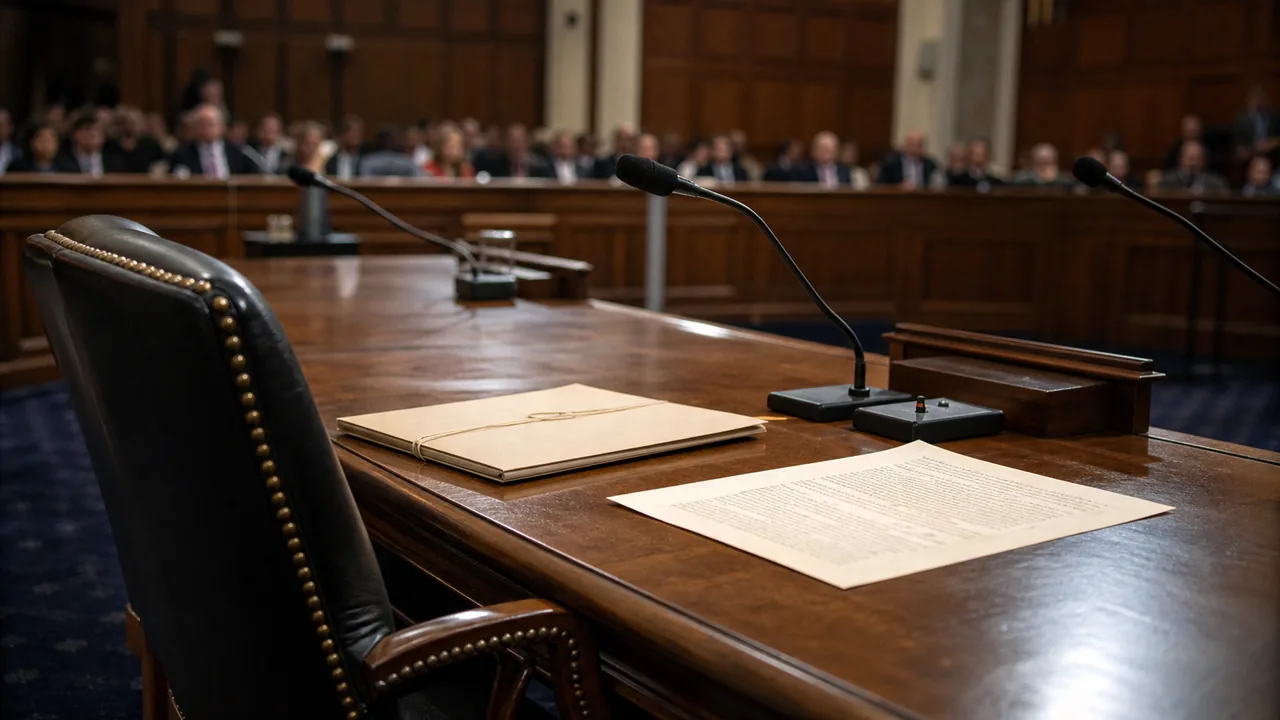
- Source
- HSGAC, DOJ, ODNI, AP, The Guardian, STAT, CNN, NineForNews, De Andere Krant en Tscheldt
- MOZOM headline
- After a Pardon, Fauci Stayed Silent More Than 100 Times: Why Did He Need the Fifth?
- Original headline
- Fauci, pardon and the Fifth Amendment: the legal question behind a politically charged hearing
- Author
- the editorial team
- Date
- 31 juli 2026 om 06:22
- Subject
- MOZOM examines why Anthony Fauci invoked the Fifth Amendment after a broad federal pardon during a U.S. Senate hearing on COVID-19, Wuhan research and his role as former NIAID director.
Summary of the original report
The Senate Homeland Security and Governmental Affairs Committee called Fauci to testify about COVID-19, the virus origin debate, risky virology research and his prior statements to Congress. AP reported that Fauci refused to answer questions from Republican senators and repeatedly invoked the Fifth Amendment, the U.S. protection against self-incrimination. That happened despite a January 19, 2025 pardon from President Joe Biden covering federal offenses from January 1, 2014 through the date of the pardon, insofar as they related to Fauci's NIAID and COVID roles. The tension is clear: a pardon may remove old federal prosecution risk, but it does not automatically cover new perjury, false statements, contempt, state prosecutions or facts outside the pardon.
Own source research: pardon, hearing and new risk
MOZOM placed the sources in chronological order. First came the pardon: on January 19, 2025, Fauci received a full and unconditional pardon for possible federal offenses between January 1, 2014 and January 19, 2025, tied to his NIAID and COVID roles. Then came the document layer: ODNI released sharp accusations on June 18, 2026 about Fauci, Wuhan research and intelligence assessments. That is an official government source, but it is not a court ruling. Then came the criminal edge: DOJ indicted former NIAID adviser David Morens over alleged records and FOIA evasion. Finally came the hearing: on July 29, 2026, Fauci refused to answer more than one hundred times, according to AP. MOZOM's own layer is this: the pardon looks backward, while sworn testimony can create new risk going forward.
Silence is not a confession, but it is not a small detail
The public reflex is understandable: if someone stays silent, they must have something to hide. Legally, that is too simple. The Fifth Amendment exists because even innocent or partly protected witnesses can talk themselves into danger. But the opposite reflex is also too easy: treating this as a routine procedural moment. Fauci had a broad pardon, a years-long conflict with Rand Paul, a former adviser under indictment, a new ODNI document battle and a committee openly discussing prosecution routes. That makes the silence itself news.
What a pardon does and does not remove
A presidential pardon covers federal offenses. It usually removes self-incrimination risk for old federal facts fully covered by that pardon. It does not cover new perjury at a 2026 hearing. It also does not cover new false statements, possible contempt proceedings, state prosecutions or facts outside the period and role described in the pardon. In U.S. law, the Fifth turns on real criminal exposure, not embarrassment. The sharp question is what real prosecution risk Fauci's lawyers still saw.
Possible message behind the news
Fauci's visible message is: this is a political trap. Rand Paul's visible message is: someone with a pardon cannot hide forever. MOZOM's reading is that both messages touch the institutional question: who still controls crisis policy when legal protection, political revenge and public information become entangled?
Neutral conclusion
Fauci's silence does not prove guilt. But after such a broad pardon, it is not a minor procedural detail either. For the pardoned federal facts themselves, the Fifth is legally weaker. For new perjury, false statements, contempt, state cases or facts outside the pardon, it may still matter. The best question is not whether silence is a confession. The best question is why that silence was still legally necessary.
Source:
- HSGAC: Testimony of Anthony Fauci, 29 juli 2026
- DOJ: pardon warrant voor Anthony S. Fauci, 19 januari 2025
- AP: Fauci invokes the Fifth Amendment in Senate hearing
- AP Espanol: Fauci invoca la Quinta Enmienda
- The Guardian: Fauci invokes fifth amendment
- STAT: nieuwe meineedrisico's bij oude COVID-vragen
- DOJ: oud-NIAID-adviseur David Morens aangeklaagd
- ODNI: declassified COVID-origin documents en beschuldigingen tegen Fauci
- CNN transcript: factcheck bij ODNI-claims over Fauci en Wuhan
- NineForNews: documenten over Fauci en Wuhan-onderzoek
- De Andere Krant: Morens en de lablek-cover-up-framing
- Tscheldt: satirische Vlaamse framing rond Fauci en Van Ranst
- Supreme Court via Justia: Brown v. Walker over zelfincriminatie na immuniteit
- Supreme Court via Justia: Hoffman v. United States over reeel vervolgingsrisico