
MOZOM-analyse
MOZOM analyses: Sudan, 330 children killed or injured in 2026, protection or war method?
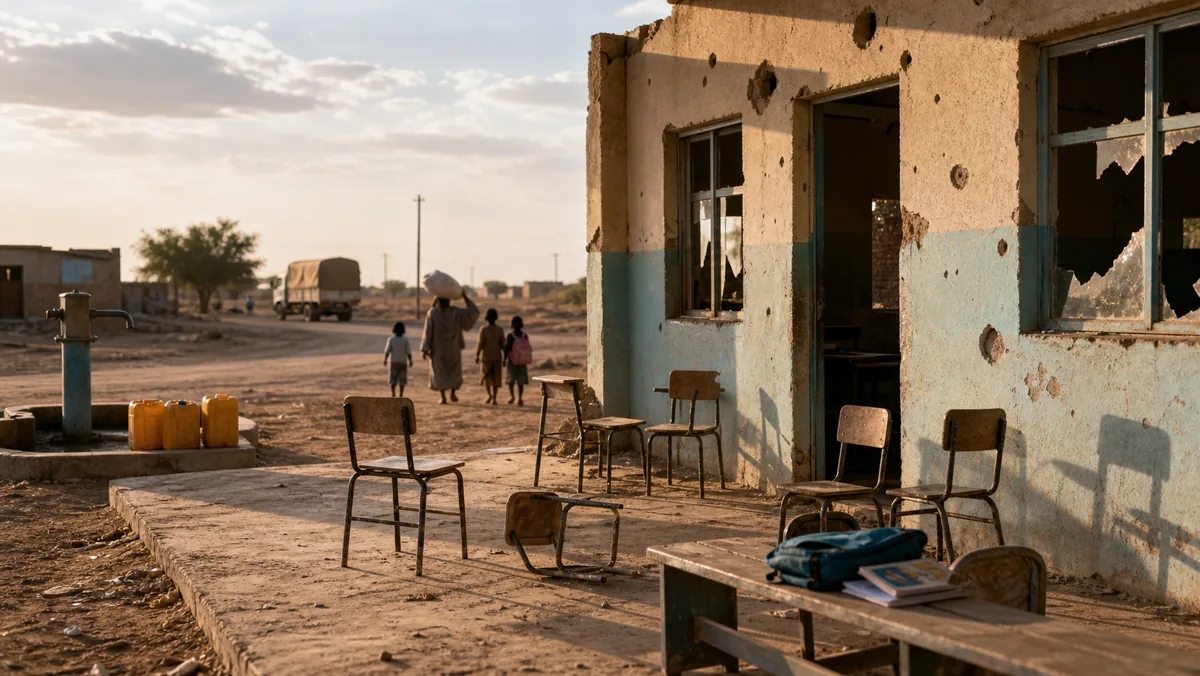
- Source
- UNICEF, UNICEF Sudan, Xinhua, Anadolu Agency en ReliefWeb
- MOZOM headline
- MOZOM analyses: Sudan, 330 children killed or injured in 2026, protection or war method?
- Original headline
- At least 330 children killed or injured in Sudan during first six months of 2026 as conflict takes escalating toll
- Author
- Ron Caroselli
- Date
- 6 juli 2026 om 18:58
- Subject
- MOZOM investigates why the UNICEF figure of at least 330 killed or injured children in Sudan is not just a casualty figure, but also says something about drone attacks, civilian infrastructure and the collapse of protection around children.
Summary of the original report
UNICEF reported on July 6, 2026 that at least 330 children were killed or injured in Sudan in the first six months of 2026. According to UNICEF, Darfur and Kordofan remain the areas with the highest numbers of child victims. The situation around Al Obeid and wider in North Kordofan is particularly worrying. Since May 2026, drone strikes and other attacks there have reportedly resulted in more than 35 child casualties, including at least 18 dead and more than 17 injured. The affected children were between two months and 17 years old. UNICEF says drone strikes accounted for 60 percent of these child victims in that state. The organization also mentions damage to civilian infrastructure such as homes, schools, health facilities, water systems and markets. In and around Al Obeid and North Kordofan, an estimated 500,000 civilians are at risk from further deterioration. Xinhua and Anadolu report the same key figures and place them in the broader war between the Sudanese army and the Rapid Support Forces.
Own source research
MOZOM has placed the UNICEF message next to previous Sudan coverage on the site. The previous layer was mainly about RSF commanders, El Fasher, war crimes and international visibility. This new UNICEF message shifts the window: from legal responsibility to child protection in everyday living spaces. The own source layer is divided into three separations. First, the 330 is a reported minimum, not a full casualty total. Second, the drone percentage refers to reported child victims in North Kordofan since May, not to all Sudanese child victims. Third, the message is not only about deaths and injuries, but also about the infrastructure that children need to survive: school, healthcare, water, market and safe access.
Striking in this message
It is striking how quickly a child's figure can become abstract. '330 children' is concrete, but also dangerously slippery: it fits in a headline and then disappears in the next crisis. UNICEF's strongest layer is therefore not just in the numbers, but in the description of places where children are affected: at home, on the road, at markets and in attempts to reach education or care.
Less visible context
It is less visible that child protection in war does not only mean that children should not be directly targeted. It also means that the systems around children continue to work. A broken water pipe, closed school, damaged clinic or unsafe road can affect children without them being on the front line at that moment. That is precisely why the difference between 'collateral damage' and structural unprotection is important: if civilian infrastructure is repeatedly hit, daily life itself becomes a risk area.
Possible message behind the news
One possible message is that Sudan is once again issuing a humanitarian alert. The sharper counter-reading is that the children's figure shows how war methods and civilian infrastructure intersect: children are not only affected at the front, but in the spaces where their daily lives should continue.
Neutral conclusion
The neutral conclusion: UNICEF reports at least 330 killed or injured children in Sudan in the first half of 2026. The sharper MOZOM reading: the figure can only be fully understood if protection is not read as a slogan, but as a working system of safe houses, schools, healthcare, water, markets and assistance.
Source:
- UNICEF Sudan: minstens 330 kinderen gedood of gewond in eerste helft 2026
- UNICEF global press release: Sudan children killed or injured
- Xinhua: At least 330 children killed or injured in Sudan in H1
- Anadolu Agency: At least 330 children killed, injured in Sudan in 1st half of 2026
- ReliefWeb: Sudan country updates