Spanish e-scooter rules: mobility becomes insurance question
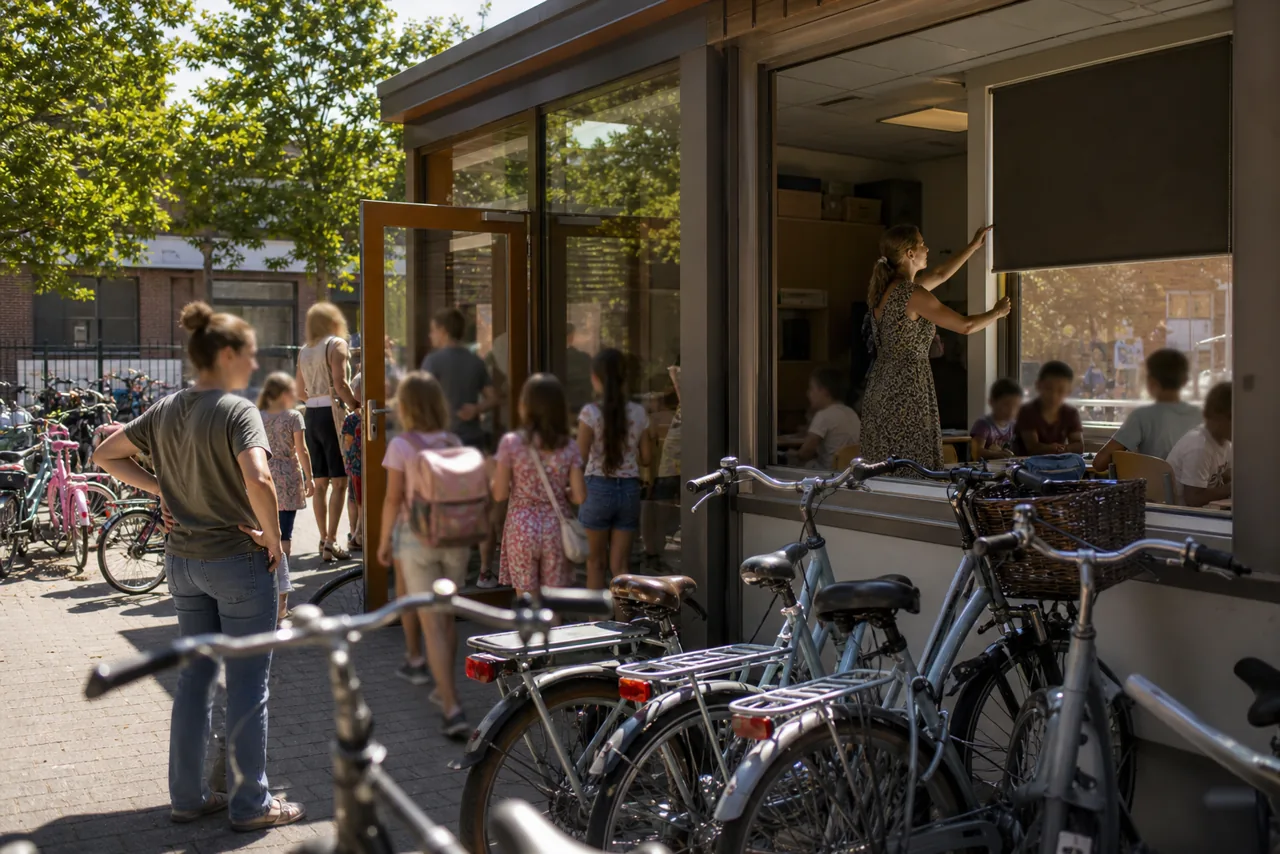
The e-scooter started as a flexible city solution. As use grows, it turns into an issue for insurance, enforcement and street space.
MOZOM.nl
Mens, Opinie, Zienswijze, Onderzoek, Maatschappij
MOZOM.nl: news analysis, interpretation and framing
MOZOM
All MOZOM analyses by date, with search and categories.
Showing 201-250 of 399 MOZOM · Page 5

The e-scooter started as a flexible city solution. As use grows, it turns into an issue for insurance, enforcement and street space.

Party money seems internal, until a criminal case shows that public trust itself is a political commodity.

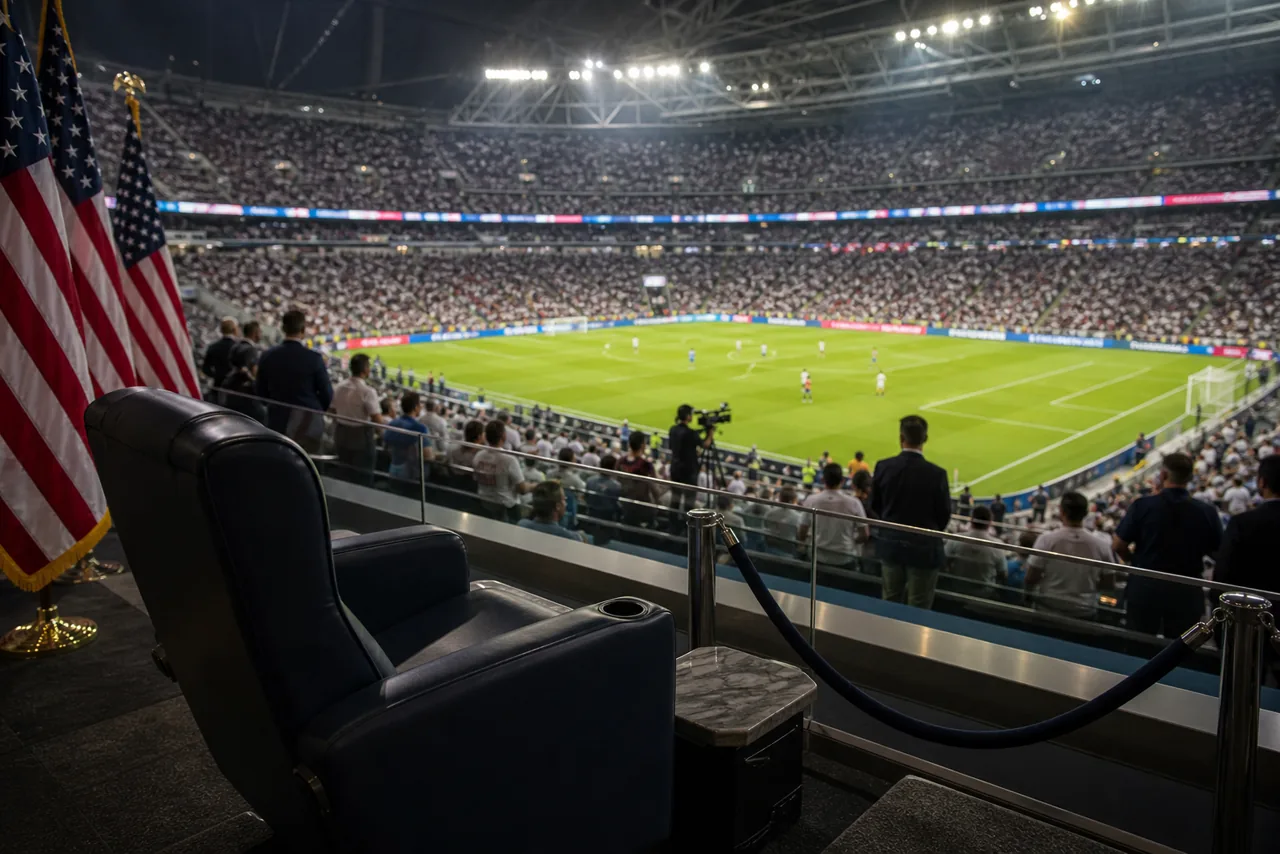
NU.nl asks the simple question that sharpens the image: where is Trump at a World Cup that is largely played in his own country? International sources answer that question very differently.

Zeit Online reports that Germany has risen to fourth place worldwide in the development of solar energy. MOZOM reads the ranking as an achievement, but also as a harbinger of new infrastructure questions.

Euronews reports that the 2026 edition of the Edinburgh International Festival will be phone-free. MOZOM looks at the tension between artistic concentration and audience control.

Euronews reports the warning from Western intelligence services that AI cyber threat is closer than often thought. MOZOM looks at the language of urgency.

Der Spiegel describes how AI butlers can take over online purchases. MOZOM looks at the question of who controls when software chooses on behalf of consumers.

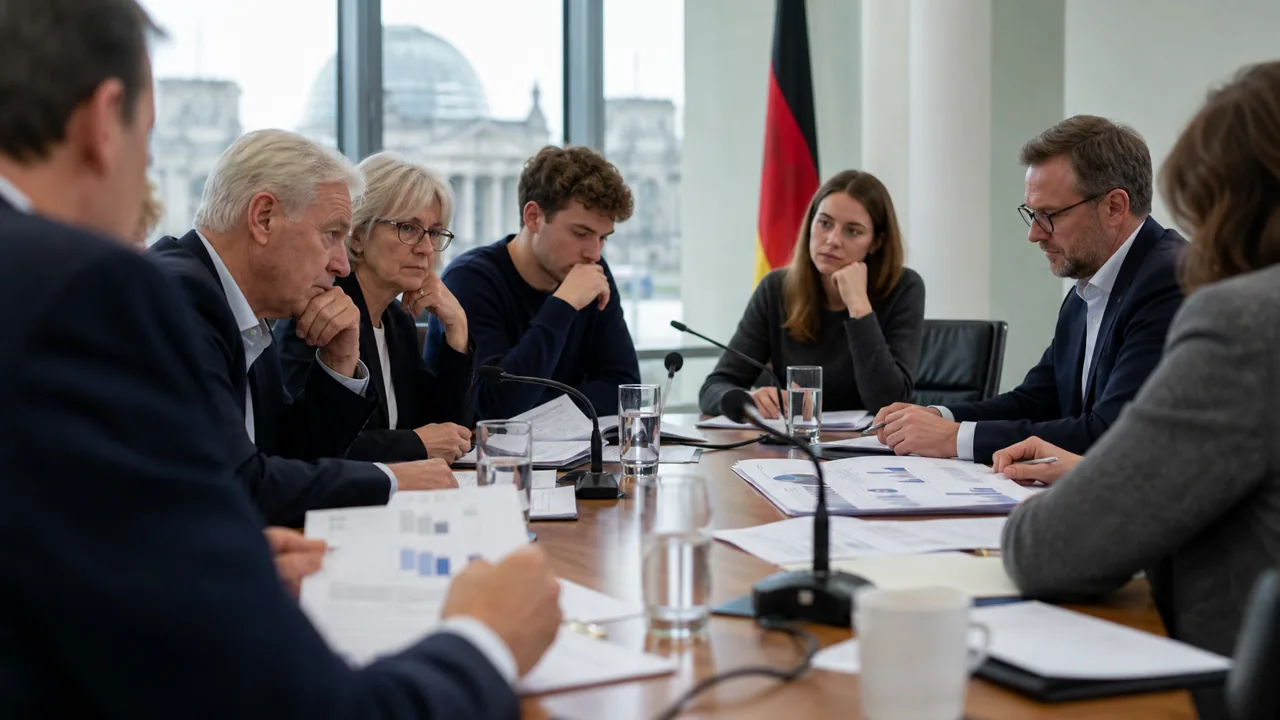
ZDF Heute brings German pension reform through the response of young people. MOZOM sees a framing shift in this: from technical package to generation contract.

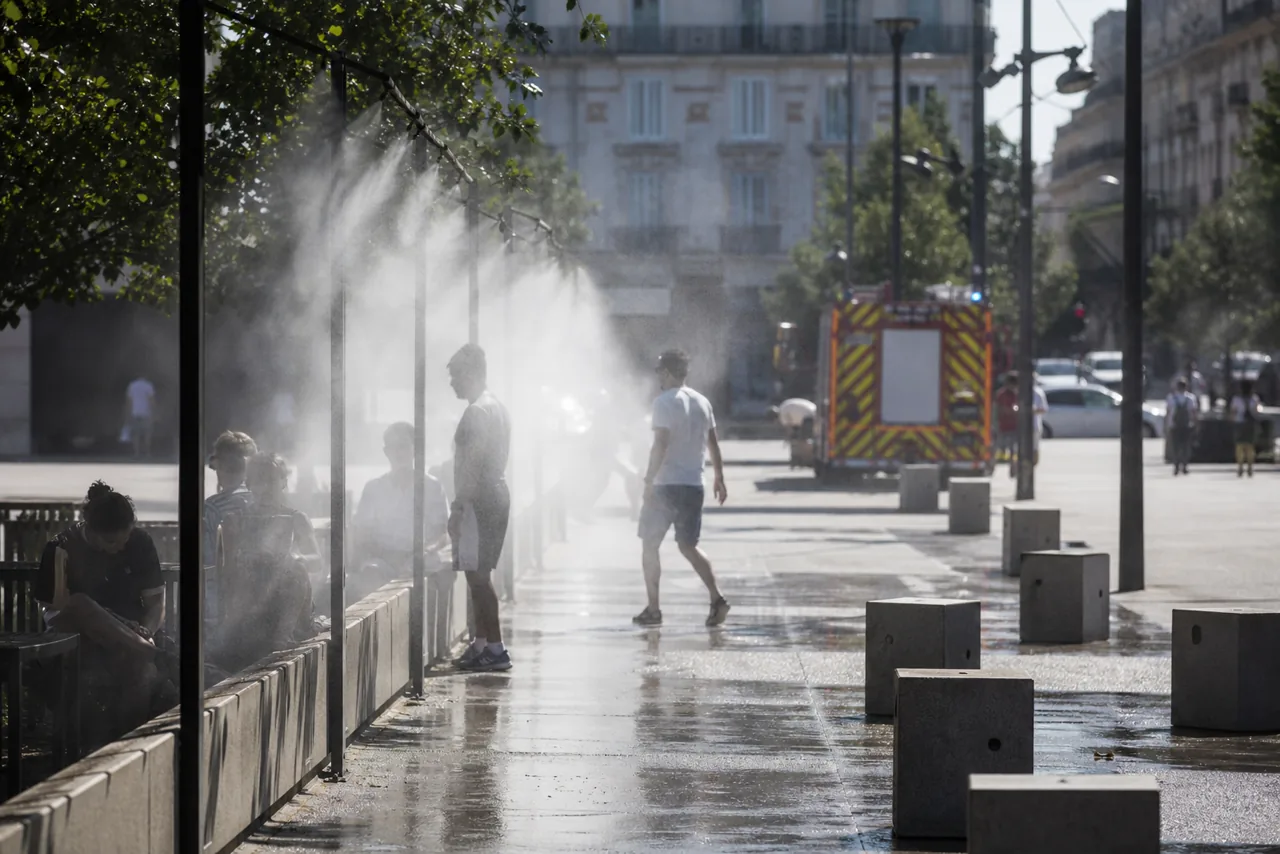
BBC News approaches the heat through the practical question of whether children can stay at home and employees can refuse work. MOZOM leest dat als een verschuiving: extreme hitte wordt niet meer alleen als weerbericht gebracht, maar als test voor arbeidsrecht, schoolbeleid en publieke voorbereiding.

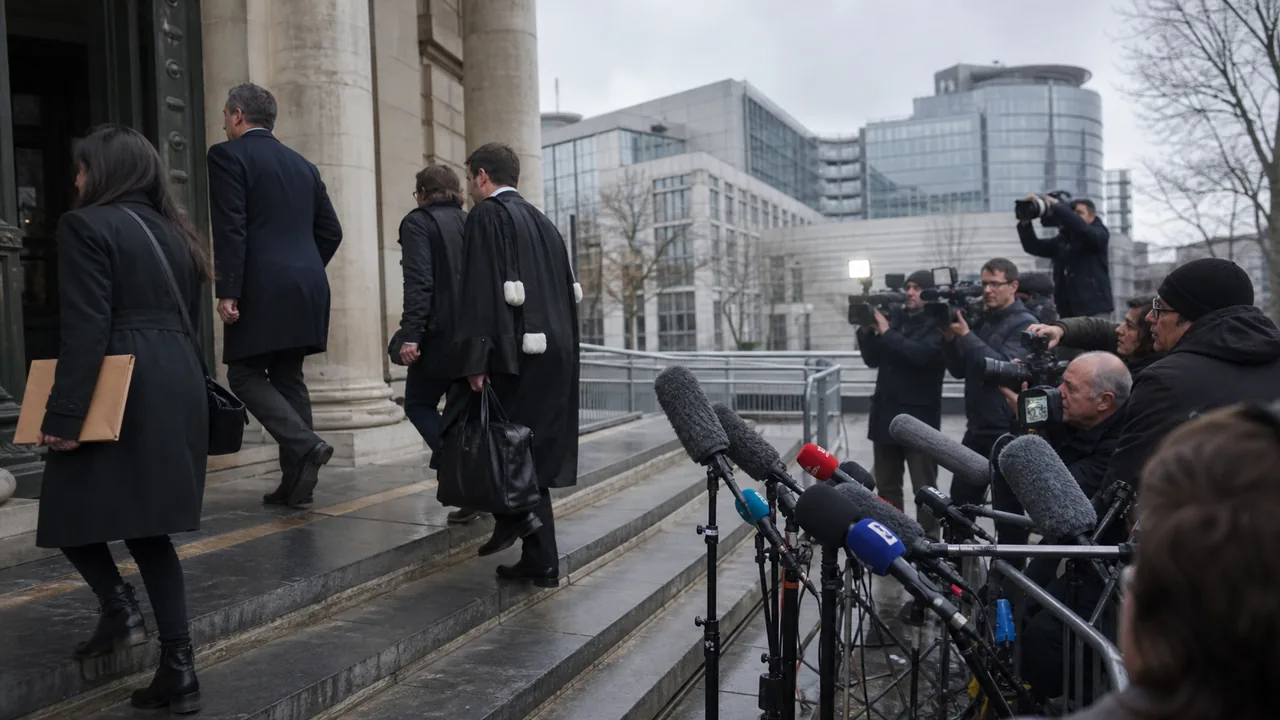
NOS reports a new European arrest warrant in the Qatargate file. MOZOM mainly looks at what such a procedure does to the image of European integrity.

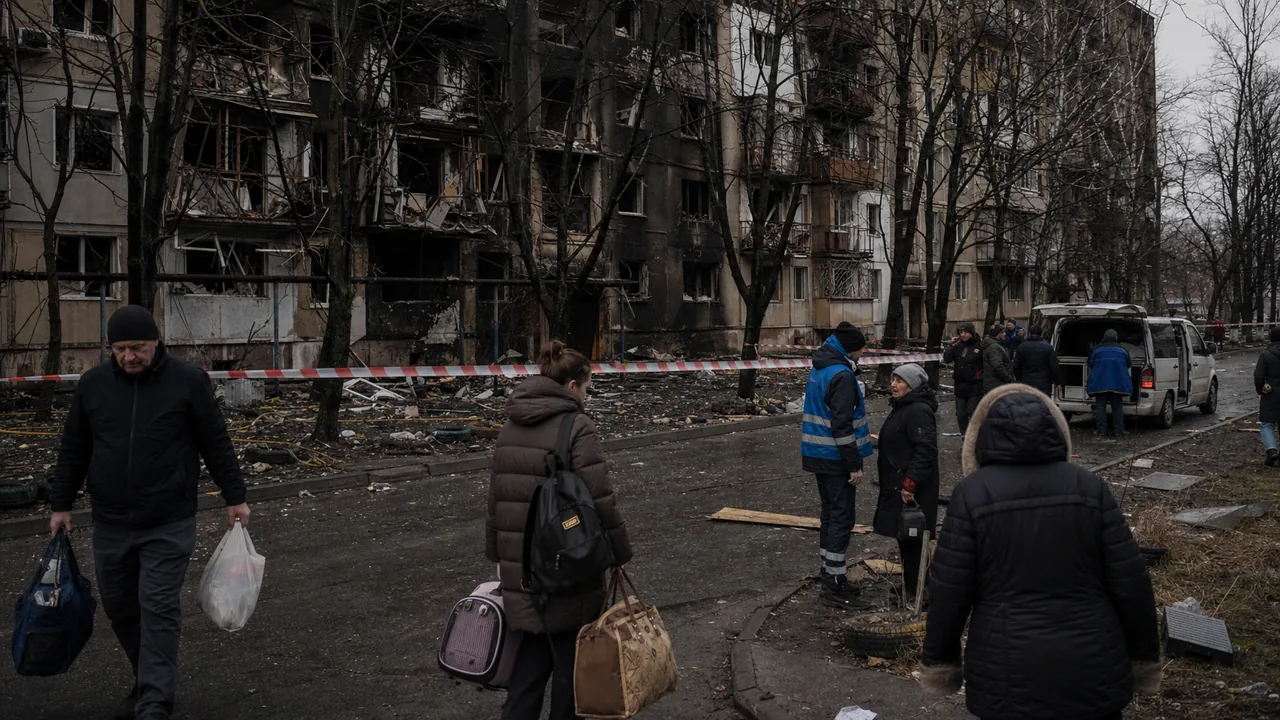
Tagesschau emphasizes supply problems due to Ukrainian attacks on Crimea. MOZOM reads this as war language that shifts from territorial gains to logistical pressure.

Der Spiegel looks at economic damage ten years after the Brexit referendum. MOZOM reads that anniversary not only as a retrospective, but as a struggle for interpretation.

Tagesschau reports that about a fifth of new cars in the EU are now fully electric. MOZOM looks at the difference between the European average and national reality.

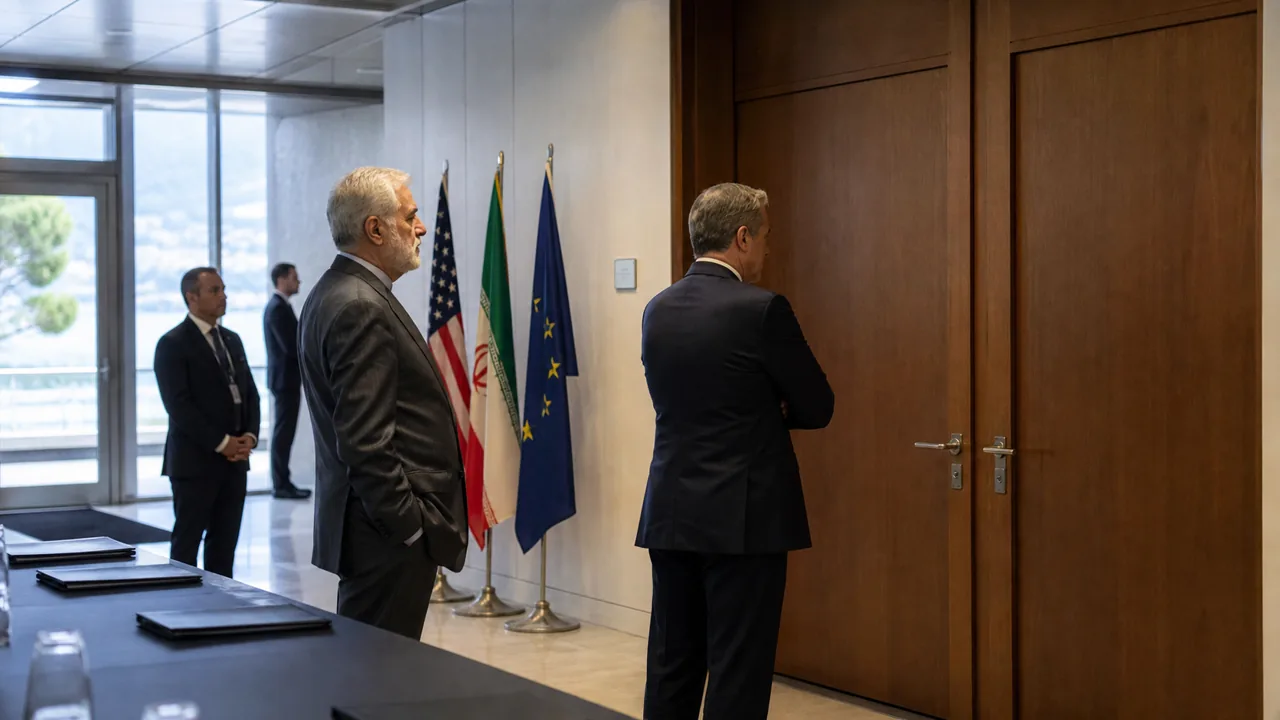
An Iran deal quickly sounds like diplomatic relaxation. The real test is in the combination of oil, inspections and domestic explanations.

Alliance is often presented as security. In Trump's language, it is increasingly becoming a bill with conditions.

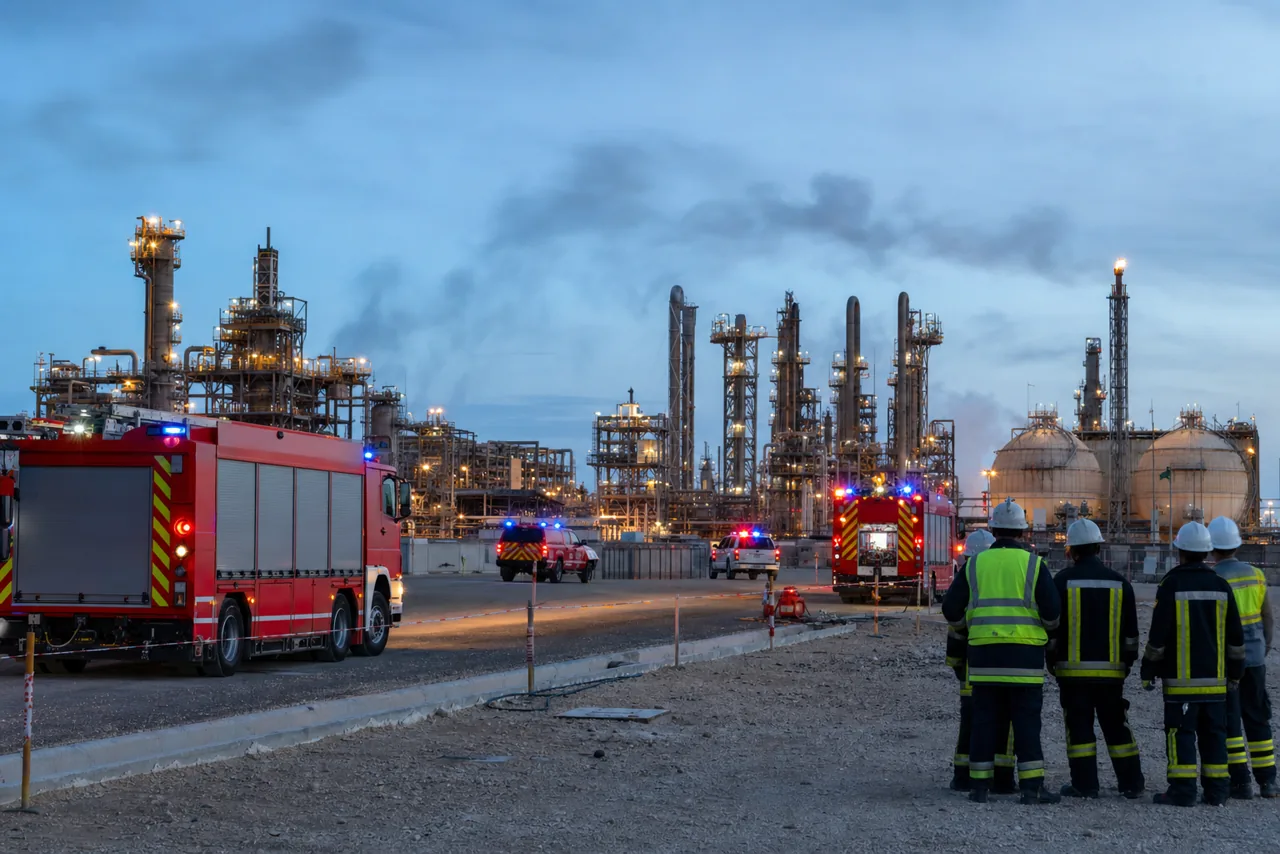
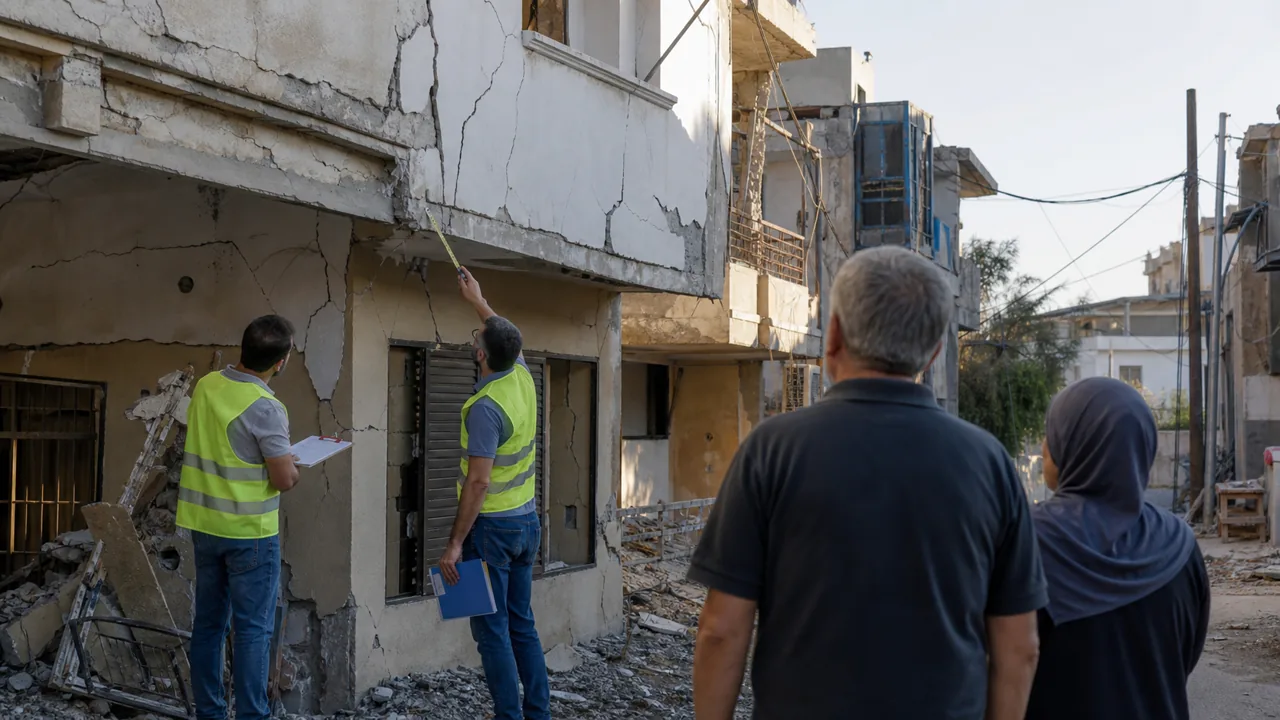
The explosion at Ras Laffan is primarily a human tragedy for workers and families. At the same time, this place makes the news bigger: Qatar is a key player in the global gas market.

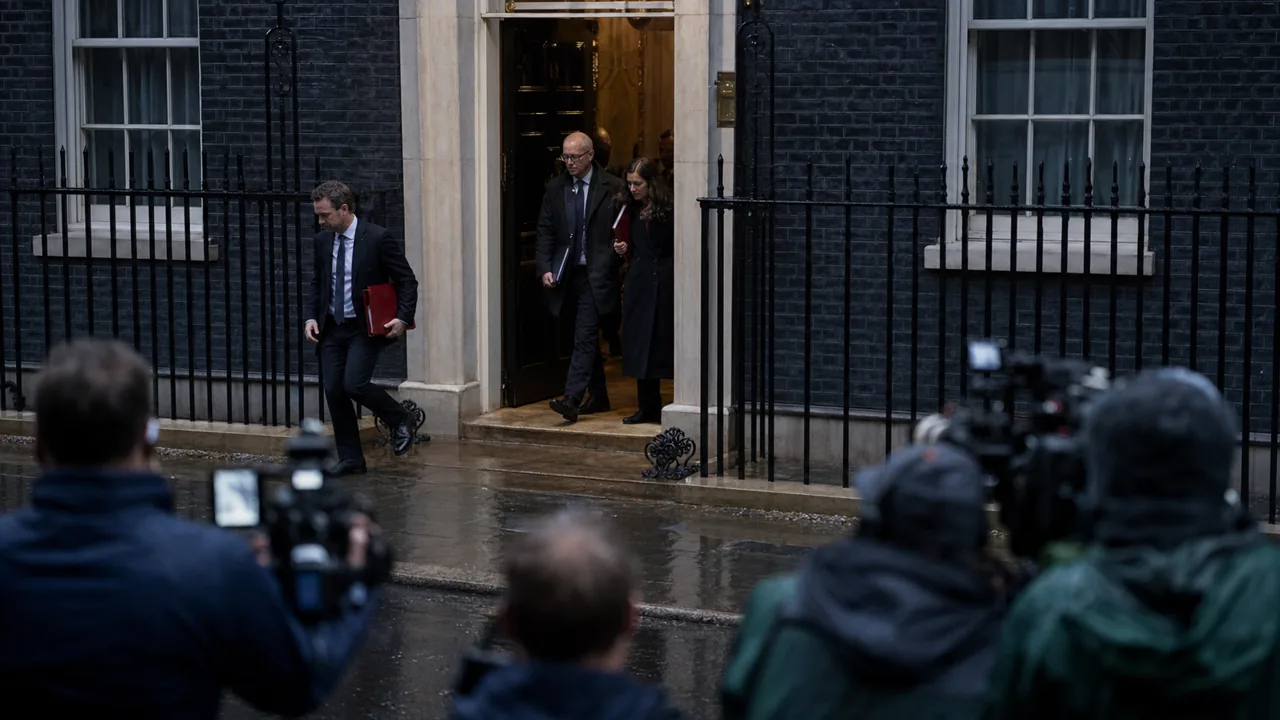
A resignation is an event. The way in which sources present it determines whether it reads as a procedure, power struggle or end of an era.

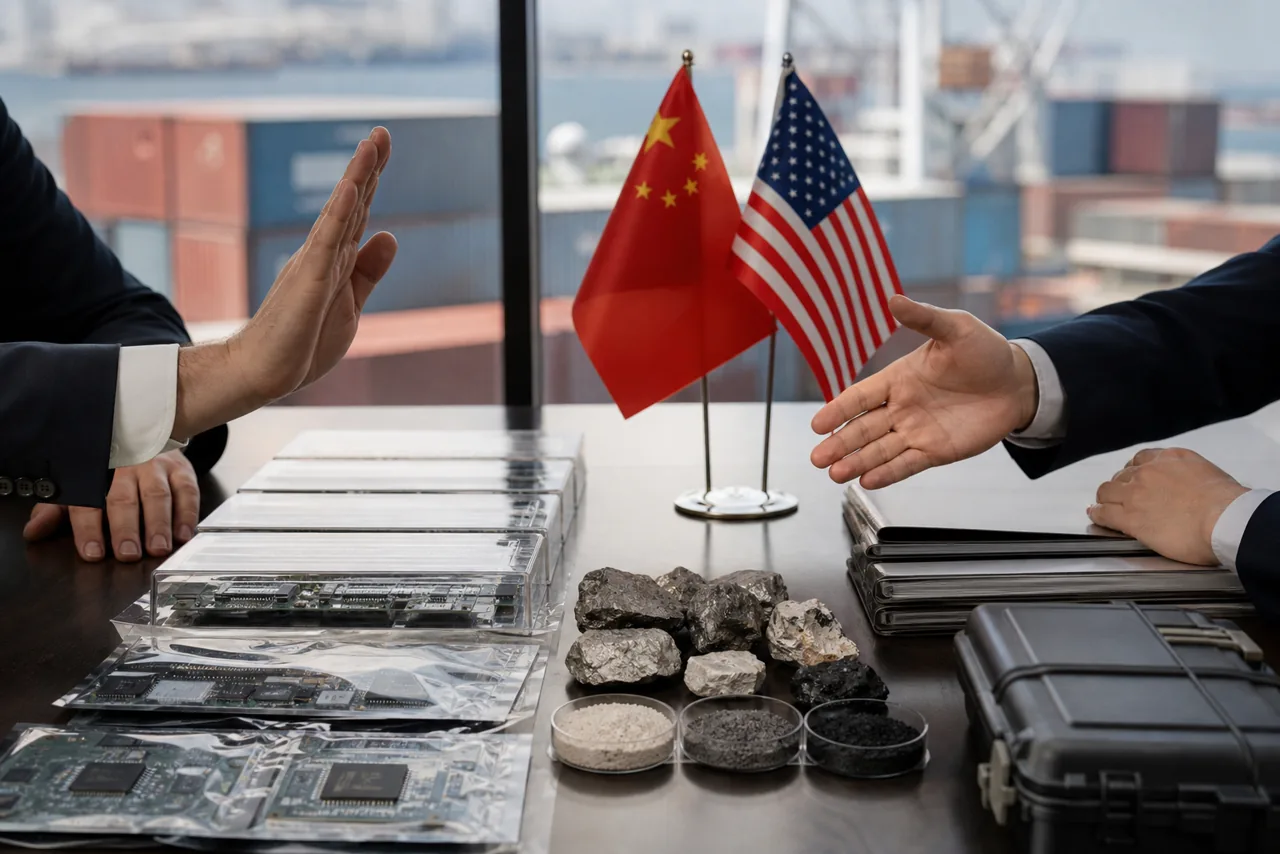
China's sanctions against American companies sound like a diplomatic blow back. But because it concerns dual-use goods, defense and rare earths, the message immediately touches on the vulnerability of modern supply chains.

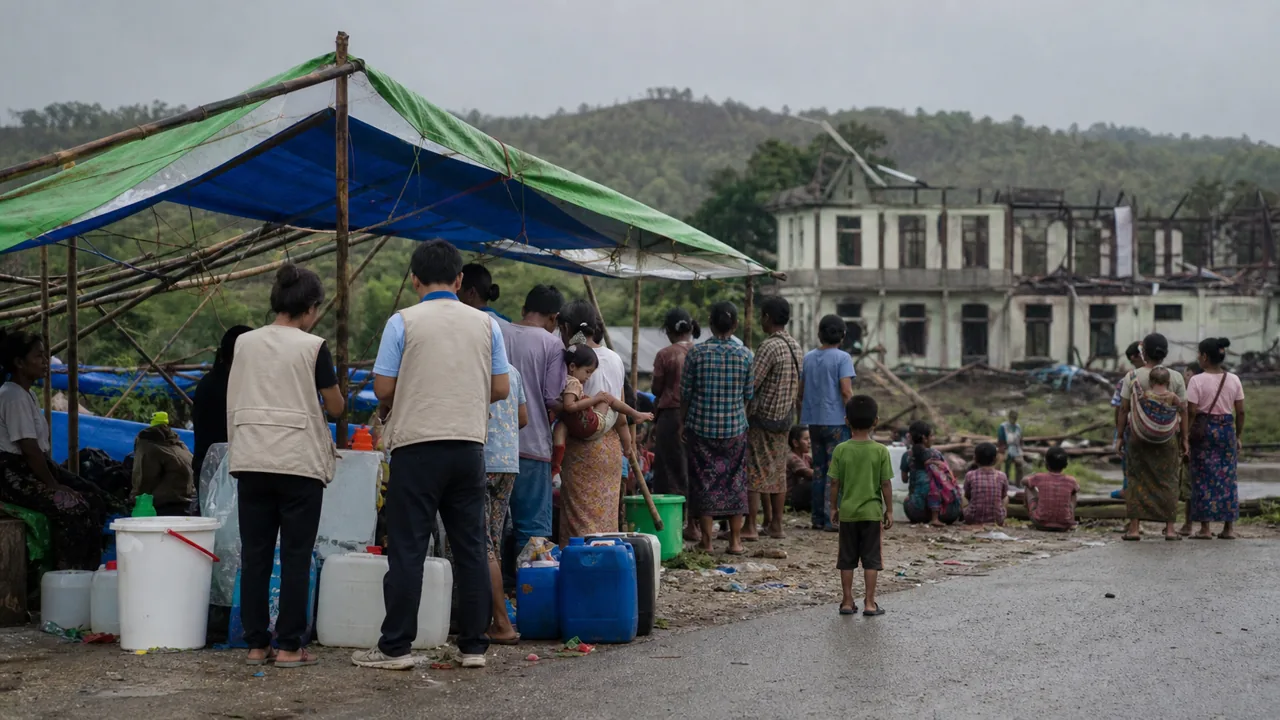
Myanmar often disappears from European view, but aid shortages and bombings do not make the crisis any less urgent.
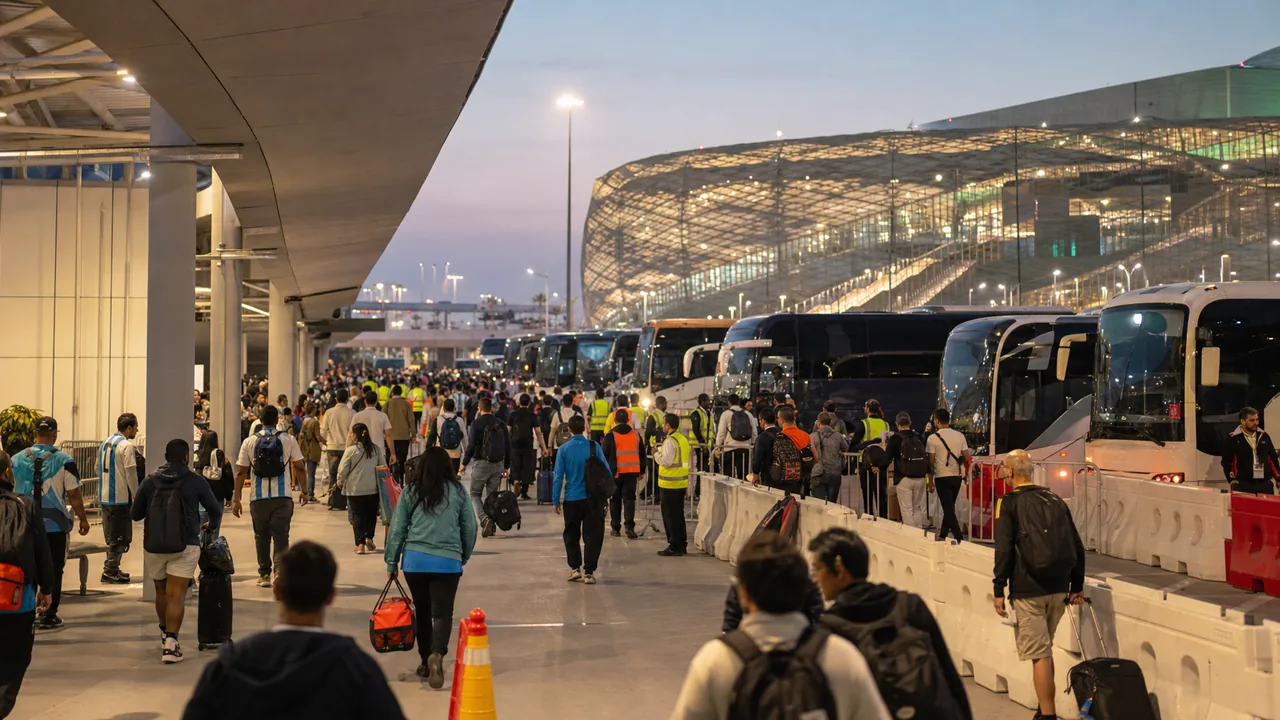
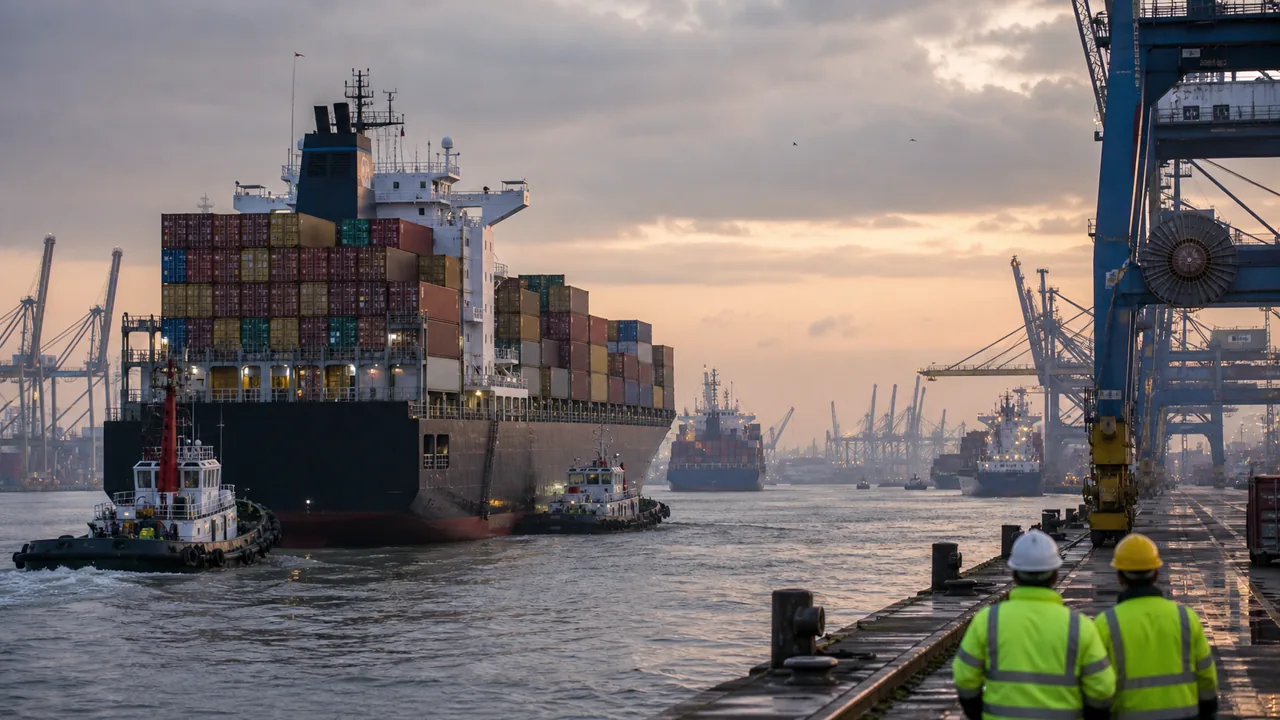
A major tournament is sold as a celebration and connection. Climate criticism asks who counts travel distance and infrastructure.
Pension politics sounds technical until the bill has to be divided. Then it's about age, pay slip and trust.

Less successful hacks sound like progress. Yet it means little if data leaks continue to occur via other routes.

Corruption investigations in Brussels do not remain abstract when the justice department touches on top European names.

When civilian casualties become record numbers, language threatens to warn and numb at the same time.

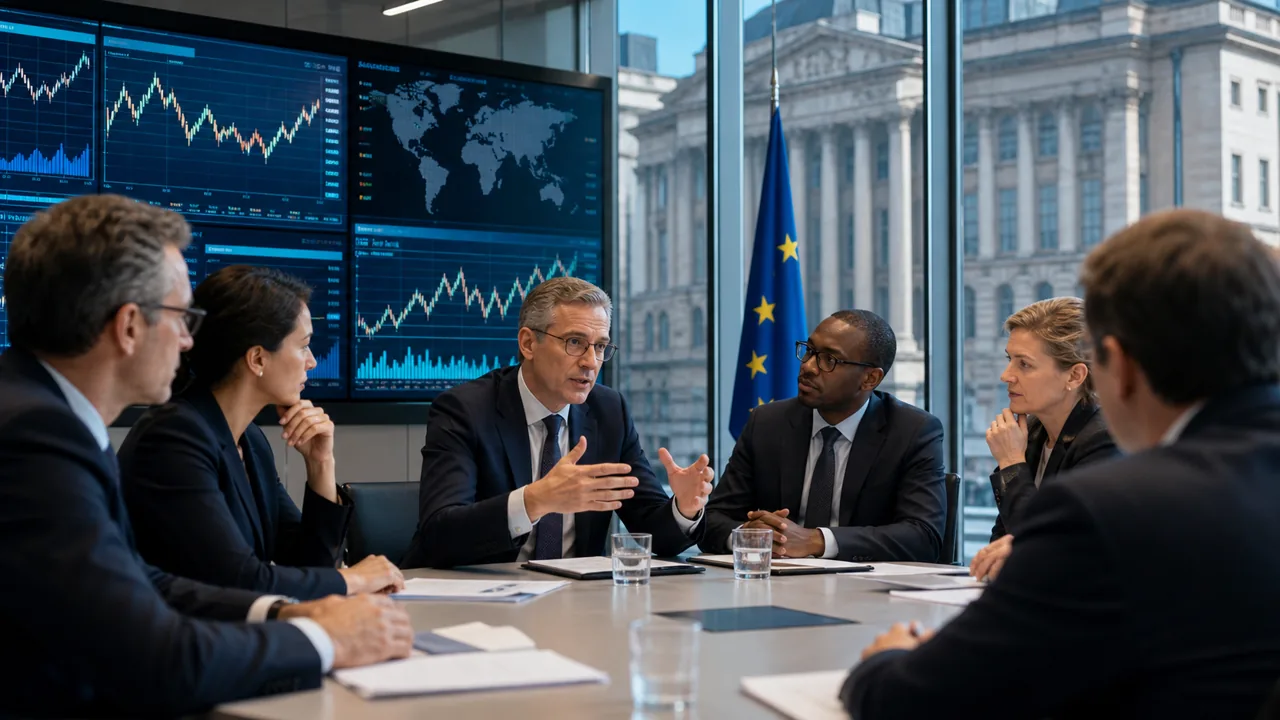
The euro as a world currency sounds geopolitical. Lagarde brings it back to markets, rules and scale.

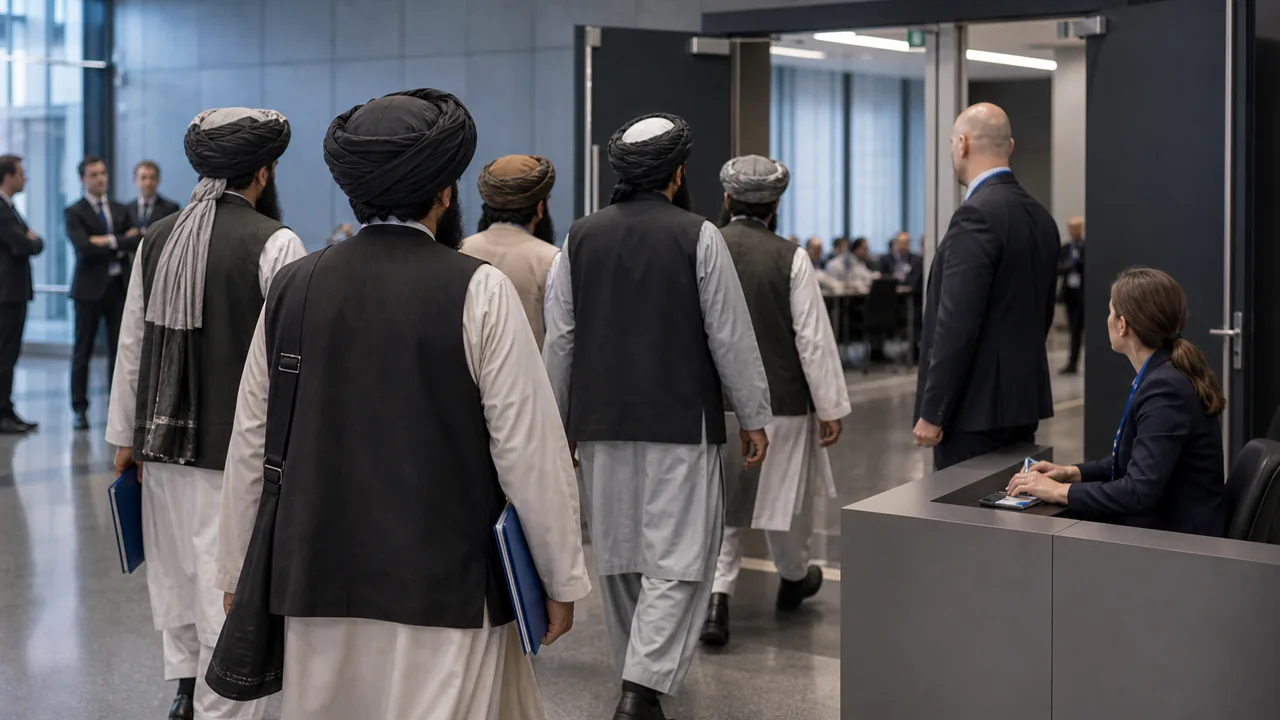
Visas for Taliban officials are, on paper, a practical diplomatic tool. Politically, the same gesture quickly feels like a boundary between talking and legitimizing.

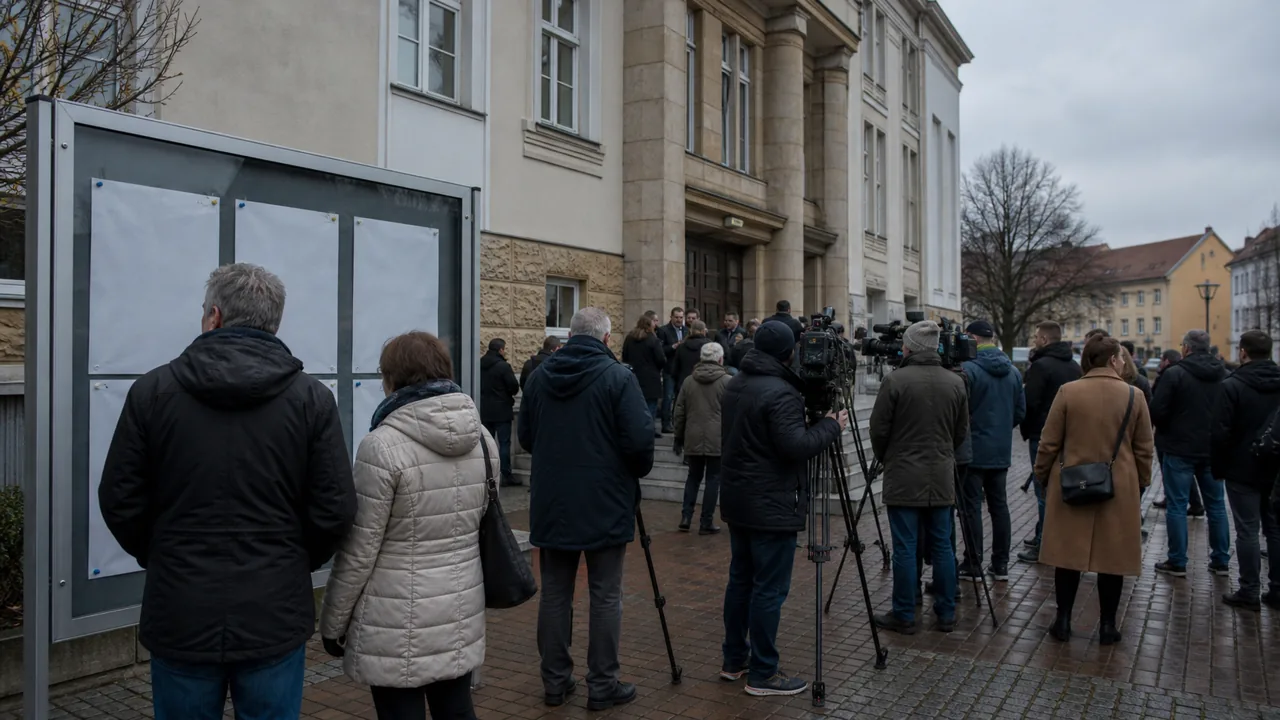
A regional poll seems like local news, but in East Germany it immediately becomes a test for governability and coalition space.

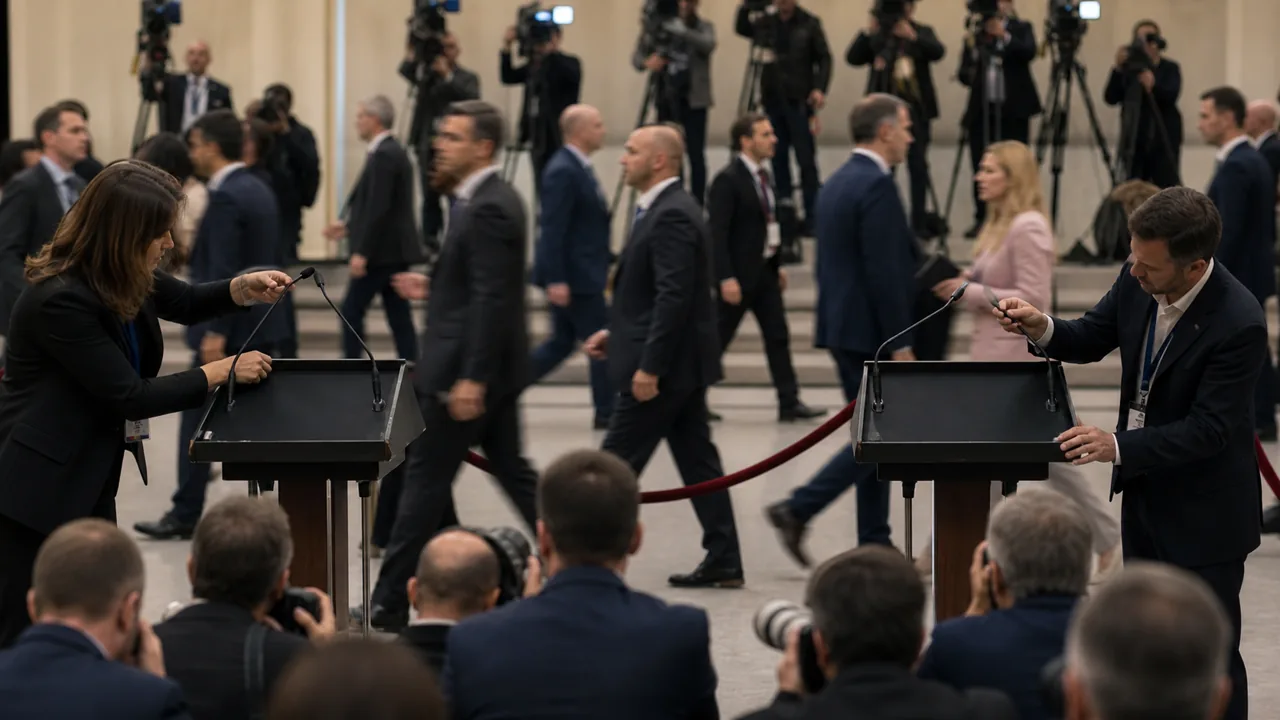
When ideological allies fall out, it's often not just about policy. The audience at home is listening.

In Iran diplomacy, an agreement often sounds like an end point. In reality, the hardest part only starts with verification.

A ceasefire can save lives, but it is not the same as a resolved conflict. Sometimes it mainly means that violence is reduced.

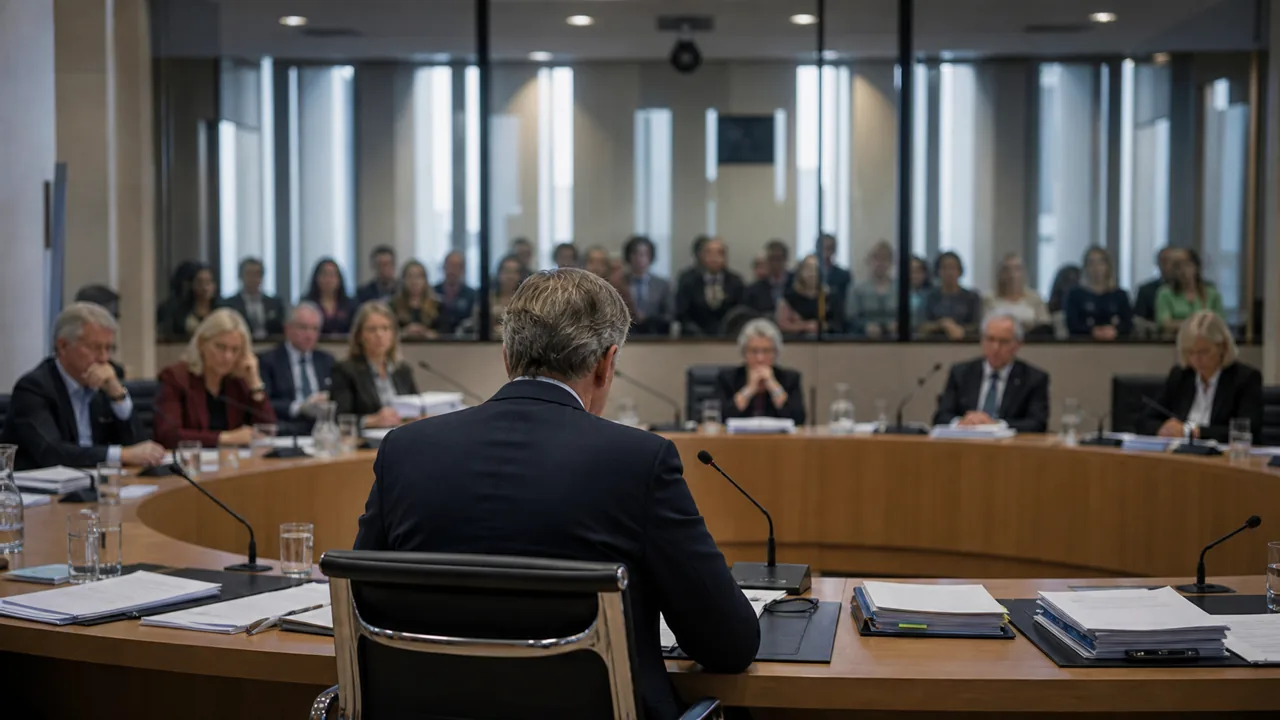
A former minister who does not exactly remember a crucial school closure affects more than personal memory. It is about managerial accountability.

Heat is familiar, but the scale and repetition change the story. What used to be called summer weather is increasingly becoming an administrative task.

Ten dead and dozens injured is a hard news sentence. At the same time, repetition threatens to make the human damage sound administrative.

Tech growth is often told as an innovation story. As soon as loans become central, it turns into a story about balance sheet, interest and trust.

Strategic allies can at the same time be remembered as historical adversaries. Poland and Ukraine show how war politics and memory politics are intertwined.

All sources report Starmer's departure, but they do not tell the same story. One source mainly sees procedure, the other a personal political fall or a broader crisis for Labour.

Alan Greenspan's death is more than an economic obituary. It again raises the question of how long policies are seen as stabilizing before later risks become visible.

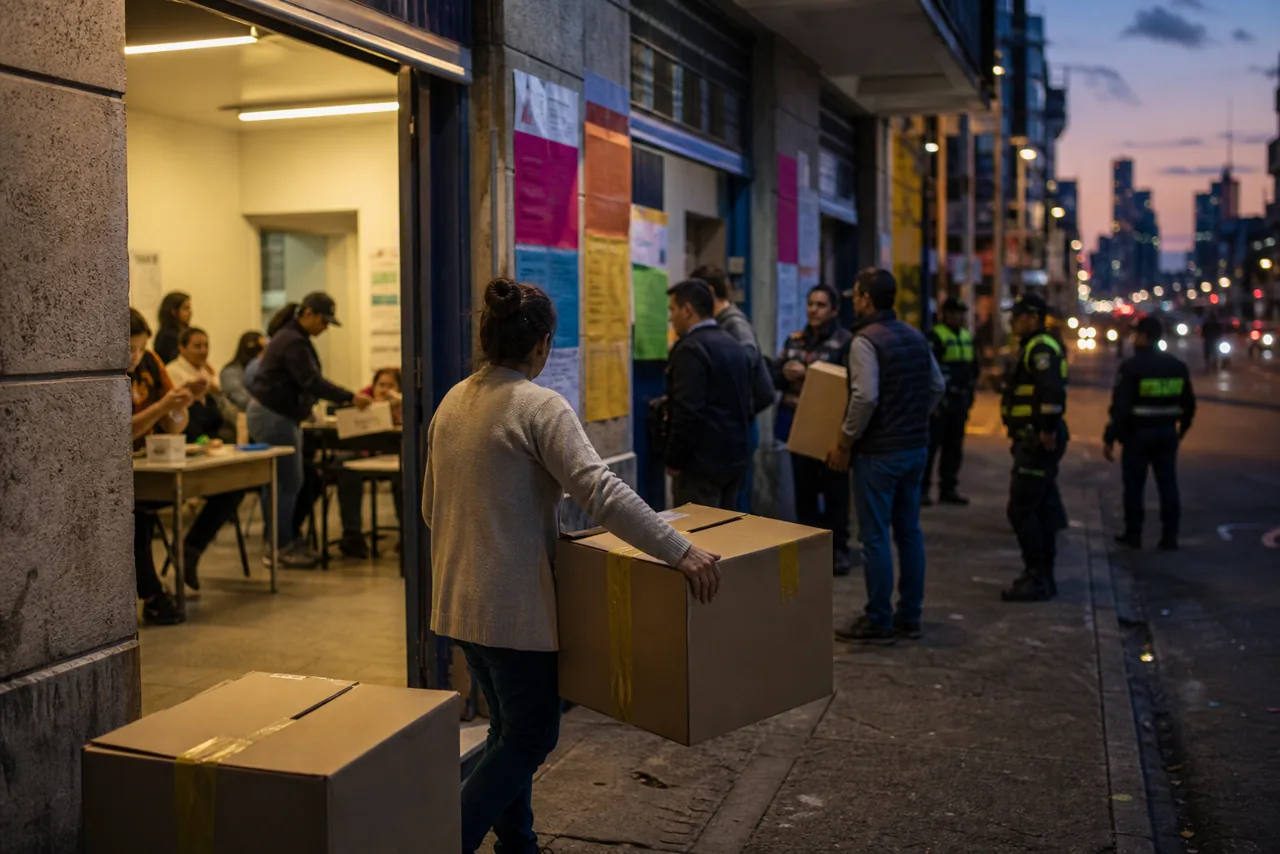
A narrow victory does result in a winner, but no democratic peace when the opponent first wants a recount and final confirmation.

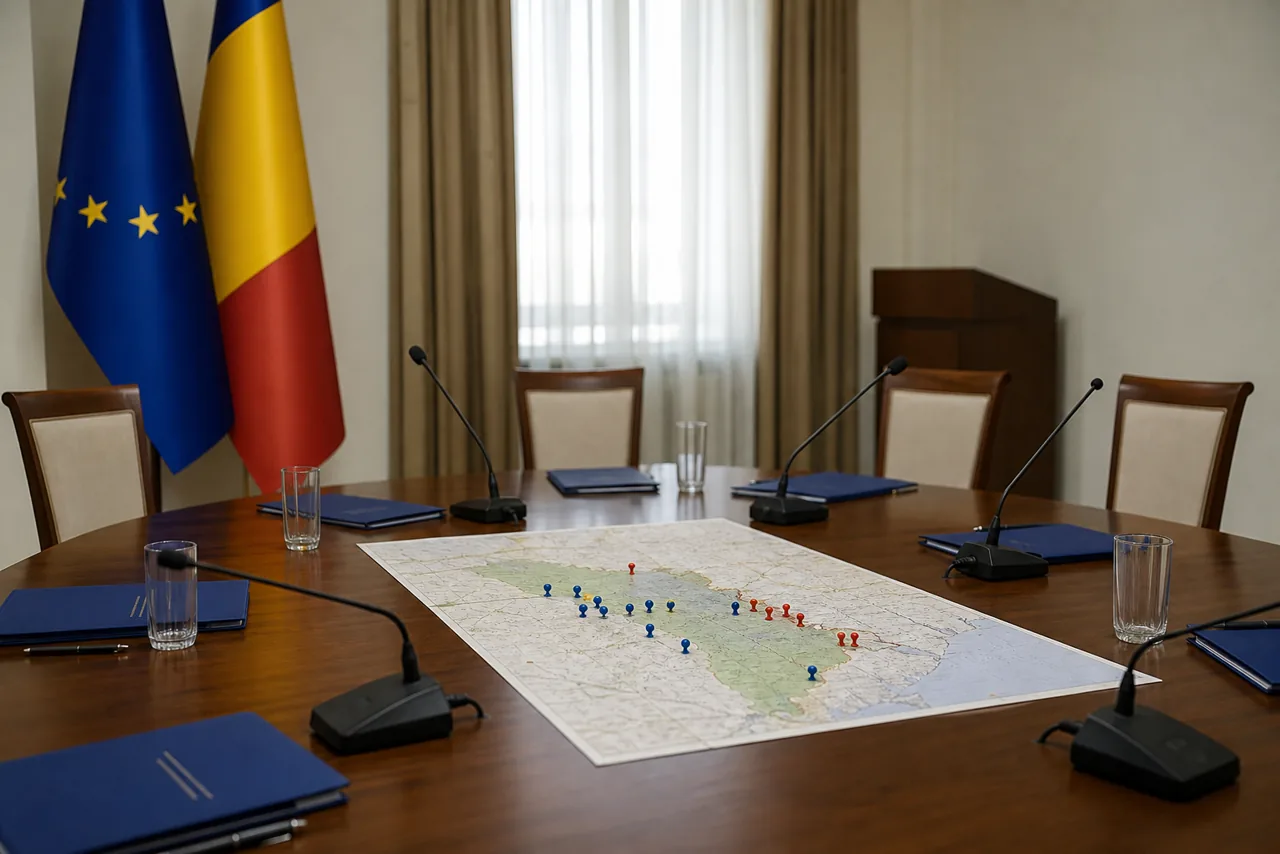
Moldova wants to move towards the EU without Transnistria determining the entire route as a brake or means of blackmail.

A heavy prison sentence for a former minister turns a political crisis into a constitutional settlement.

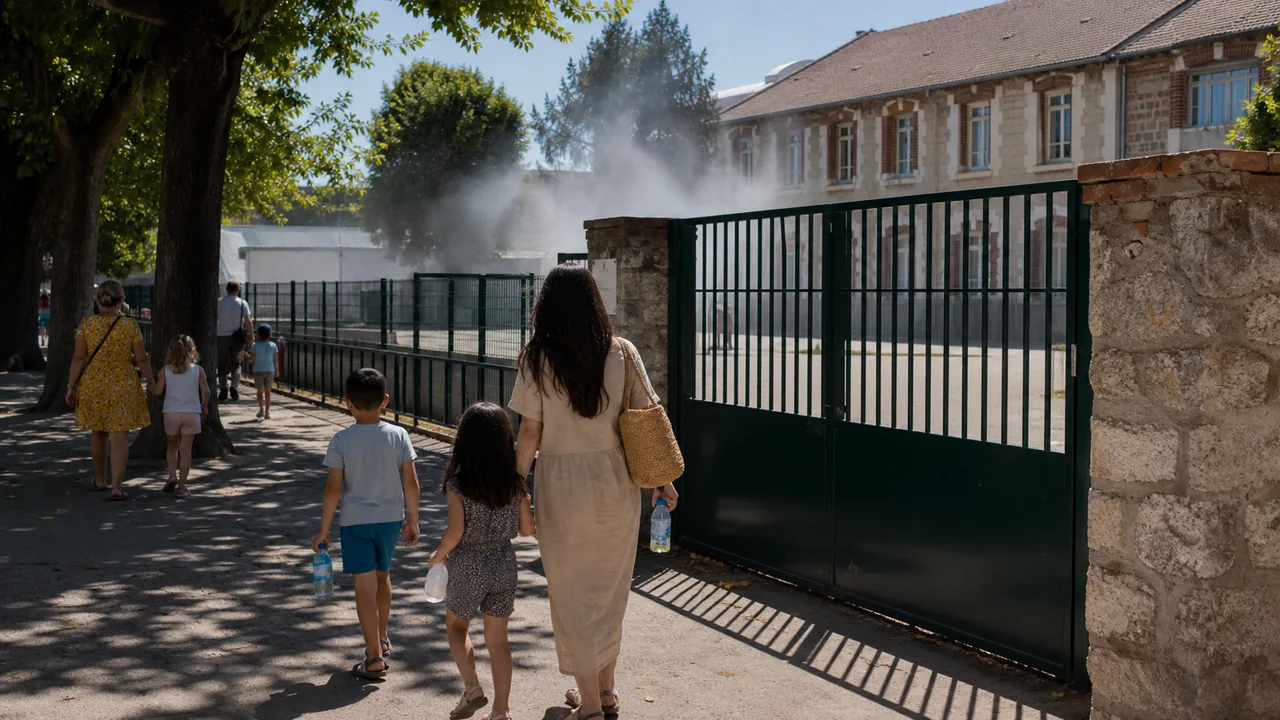
A tropical schedule sounds practical, but behind that measure there is a bigger question: how well are schools equipped for heat that is becoming increasingly normal?

When loneliness remains high years after the pandemic, the narrative shifts from temporary damage to structural psychosocial pressures.

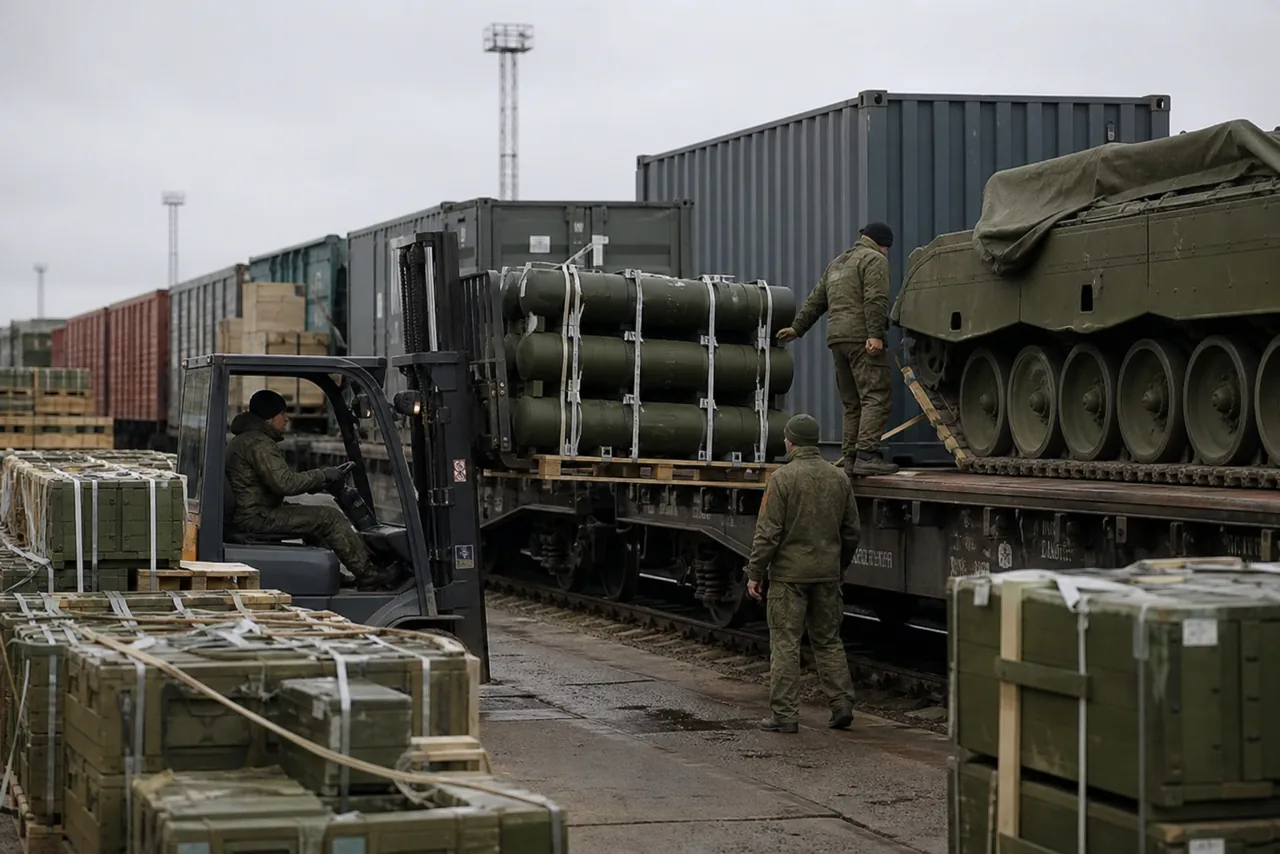
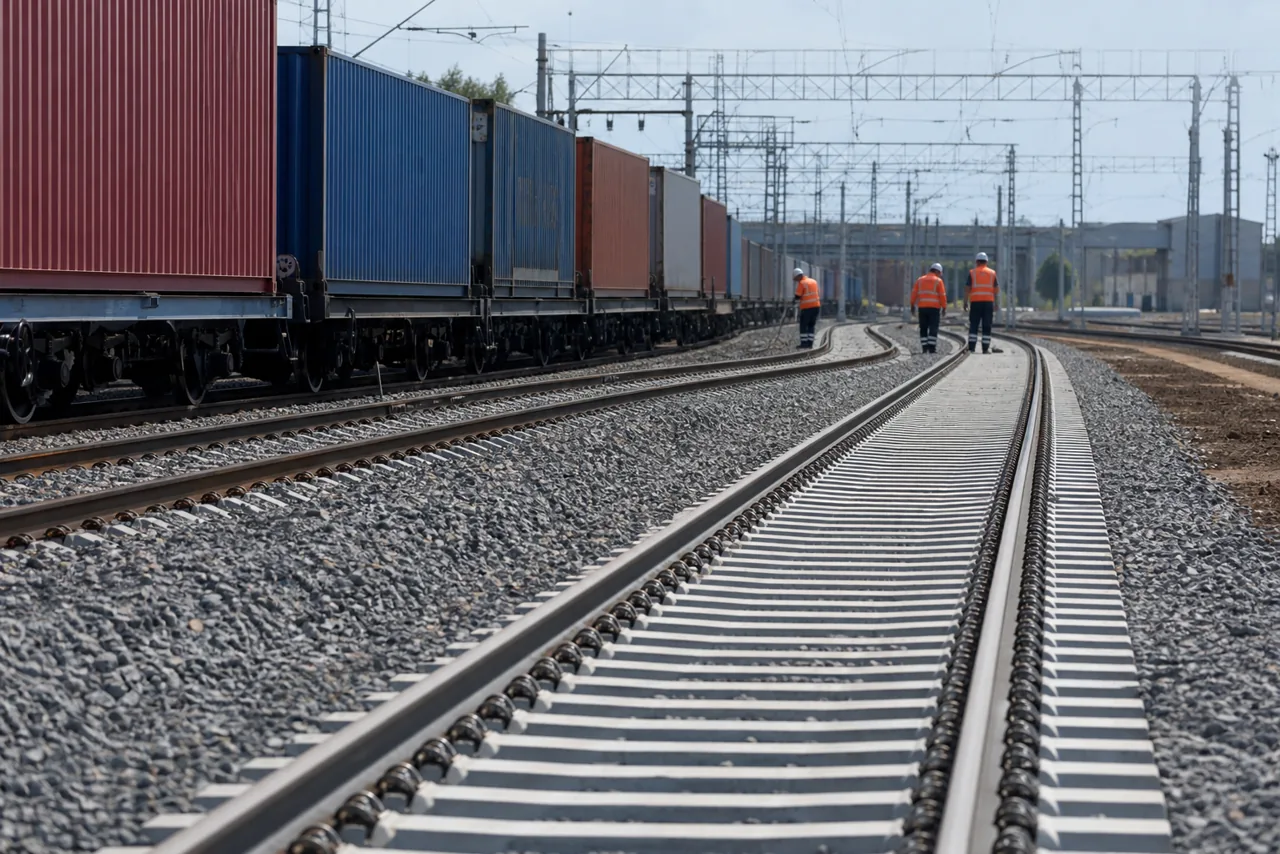
Rail, roads and logistics seem technical, but in wartime transport policy also becomes a way to draw countries politically closer.

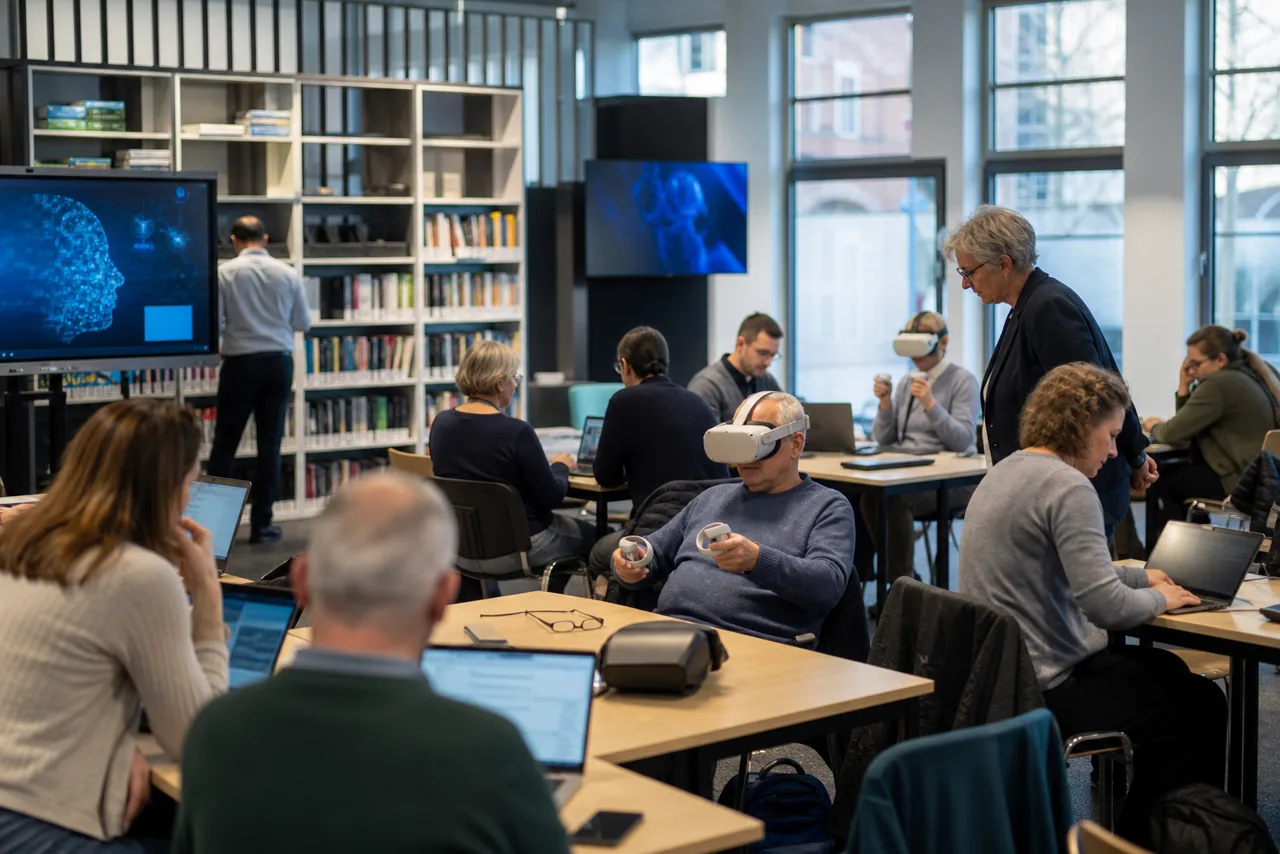
A free digital campus sounds like education news, but it also shows that AI skills are increasingly treated as a basic public provision.

The news is reassuring: no one got sick. But precisely such an outcome shows how visible precaution becomes when hospitals have to take unknown risks seriously.

The same consultation can sound like a diplomatic opening, a political concession or a security risk. The core is less in the conference table than in the words around it.

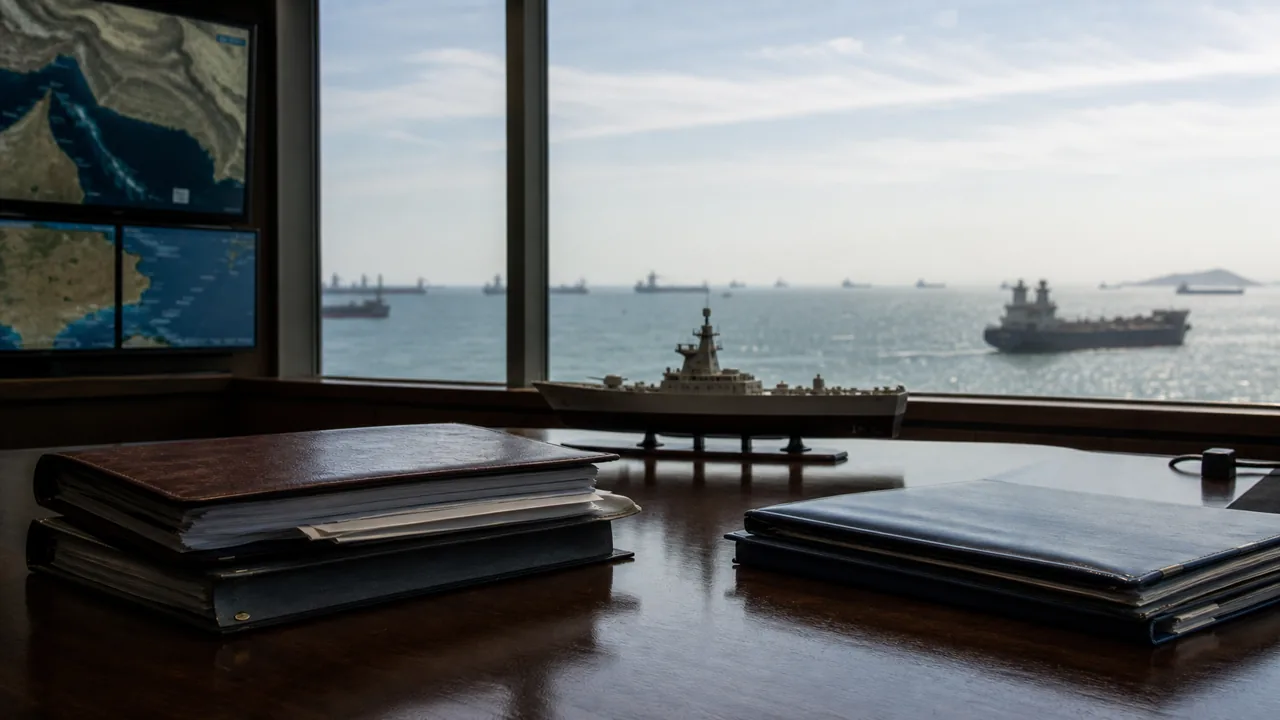
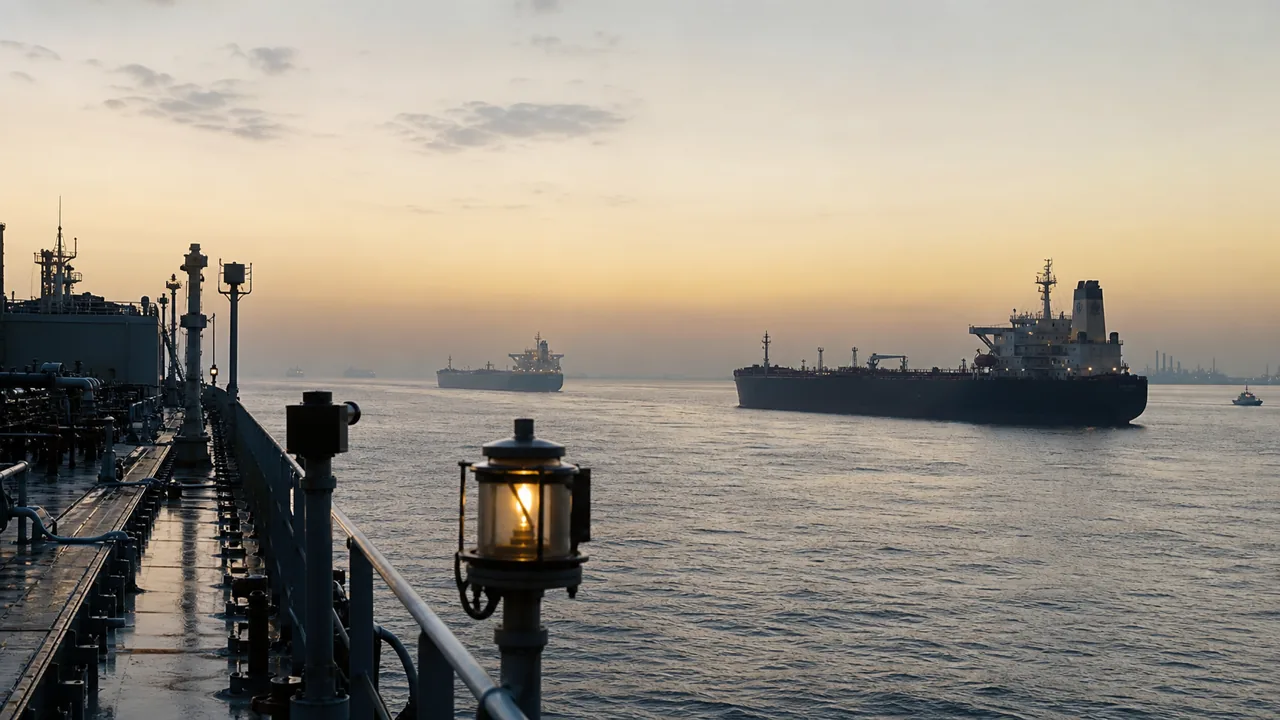
A toll or threat at Hormuz sounds like a financial instrument, but in practice it immediately becomes a test for energy security and free passage.

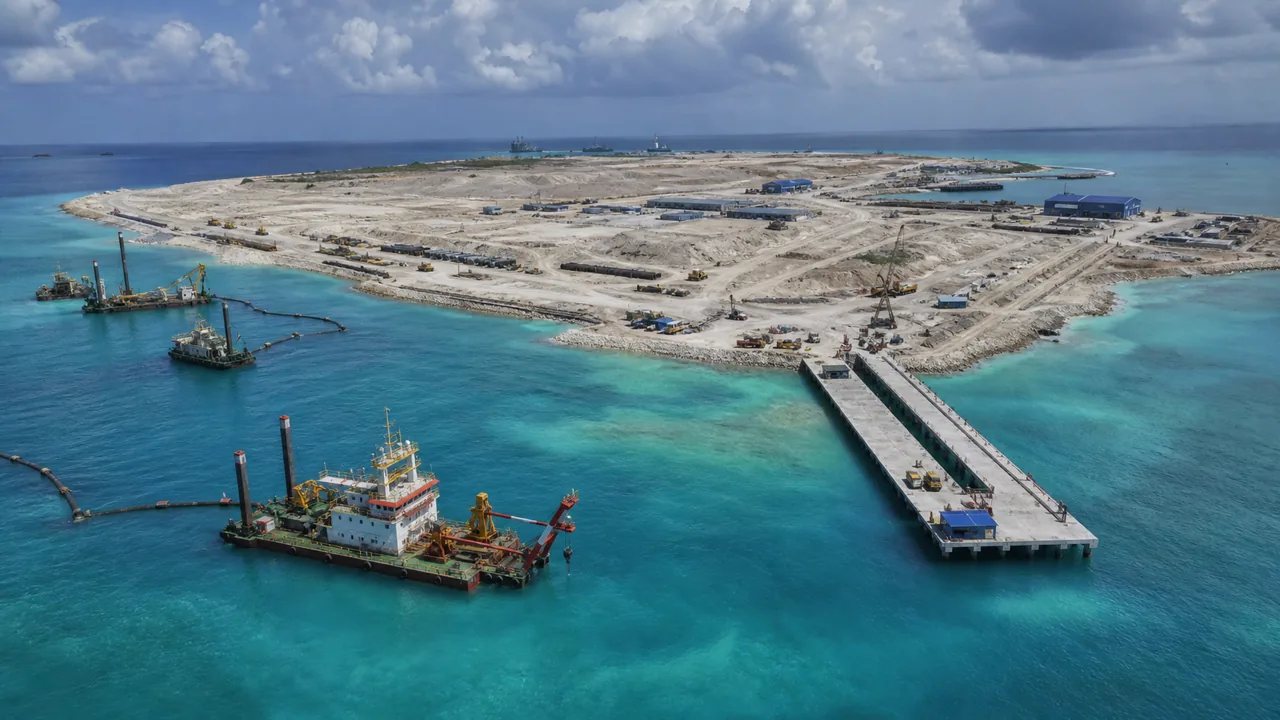
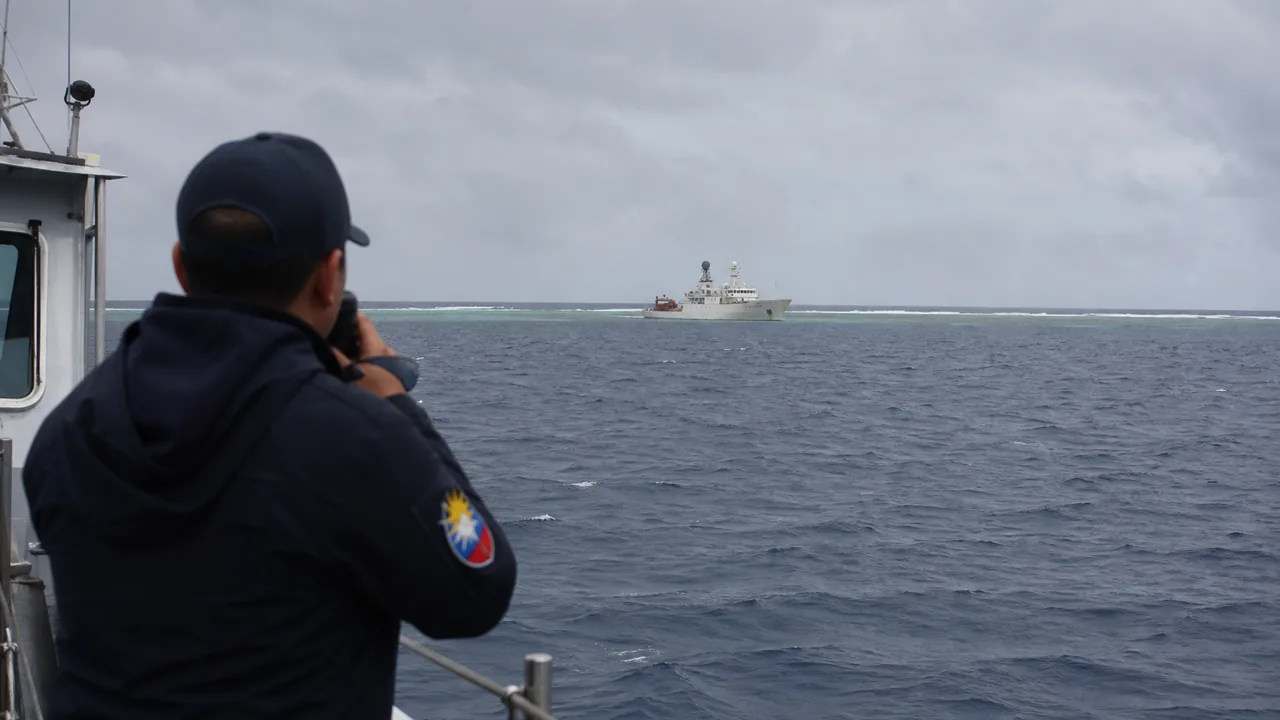
In news reports, a reef can be nature, a construction site or a frontline. Which meaning predominates depends greatly on the source.

Scarborough Shoal isn't just about maps. For fishermen, access is income; for states, the same access is a signal of sovereignty.

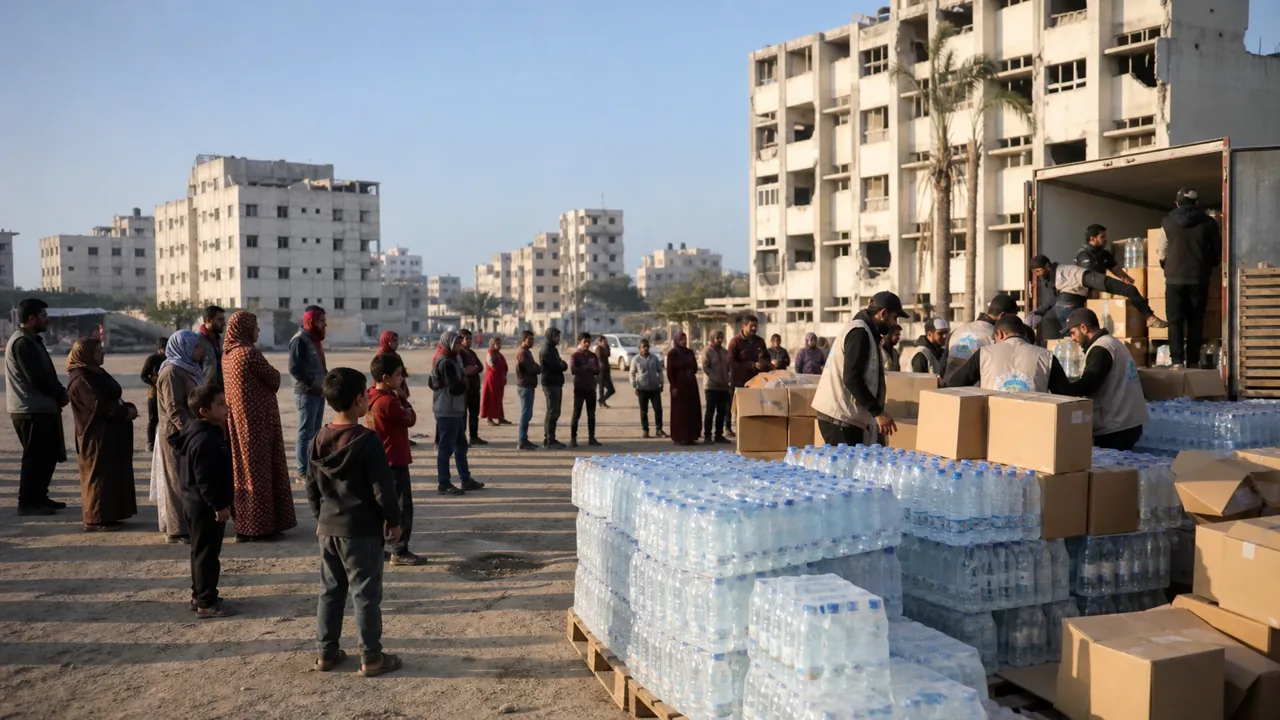
A temporary silence around Gaza is concrete for aid workers: trucks, water, medicine. Politically, the same silence is immediately read as a signal.