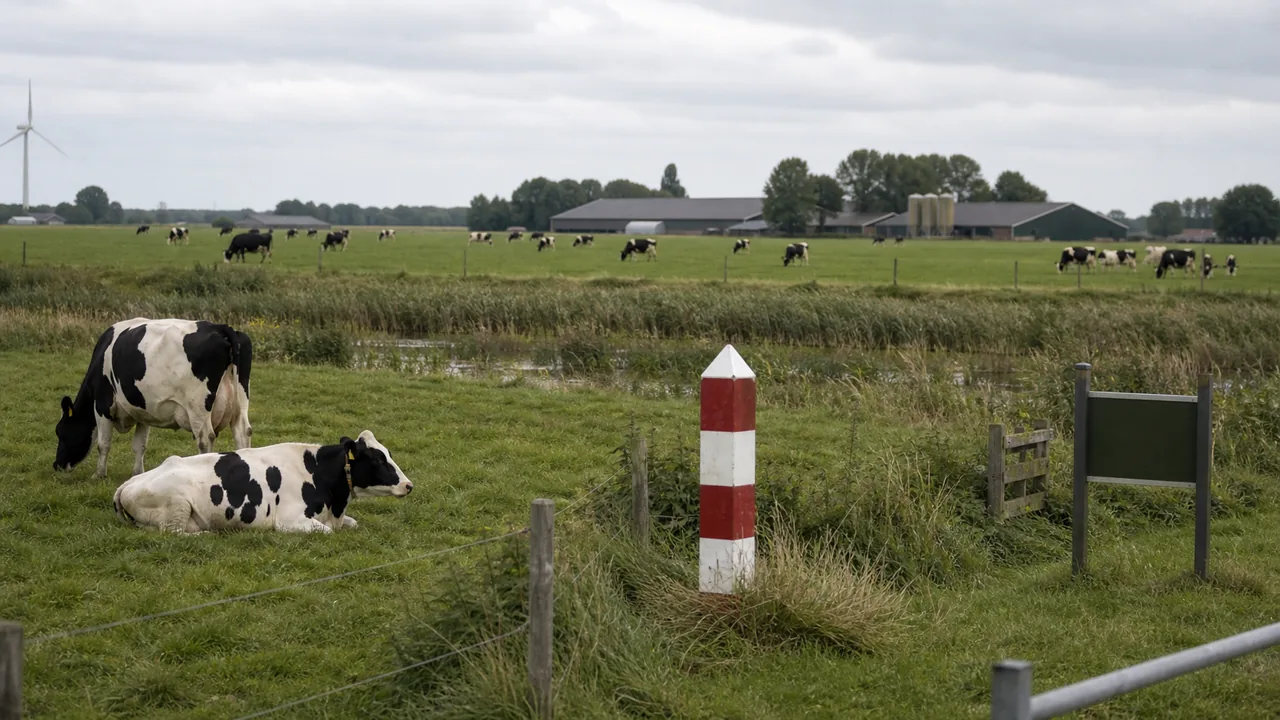
nitrogen, cow standard or border inequality?
For a farmer at the border, nitrogen policy can become absurdly concrete: on the Dutch side a cow standard and zones around nature, on the German side cows that visibly move under a different system.
MOZOM.nl
Mens, Opinie, Zienswijze, Onderzoek, Maatschappij
MOZOM.nl: news analysis, interpretation and framing
MOZOM
All MOZOM analyses by date, with search and categories.
Showing 151-200 of 399 MOZOM · Page 4

For a farmer at the border, nitrogen policy can become absurdly concrete: on the Dutch side a cow standard and zones around nature, on the German side cows that visibly move under a different system.

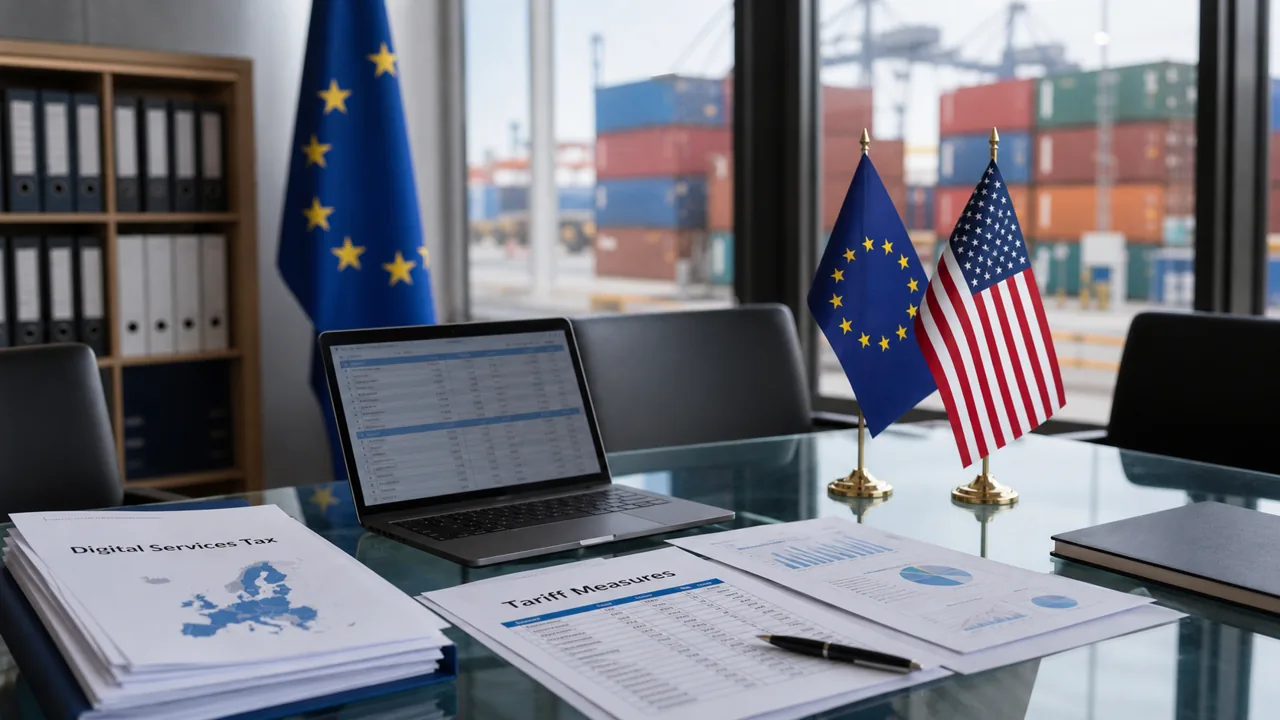
A tax on digital services sounds technical. But as soon as Washington threatens 100 percent tariffs, tech policy suddenly becomes hard geopolitics.

A drone wave is not just a military figure. She shows that the war is increasingly about reach, production, air defense and pressure on infrastructure.
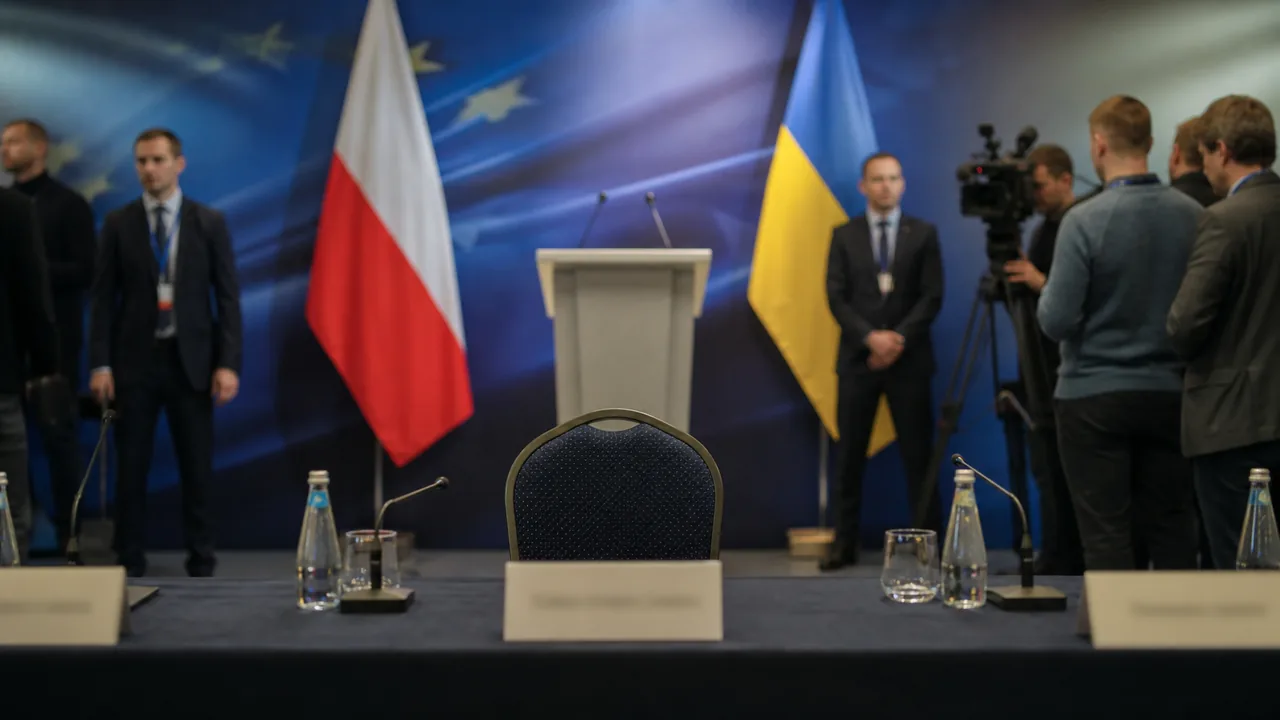
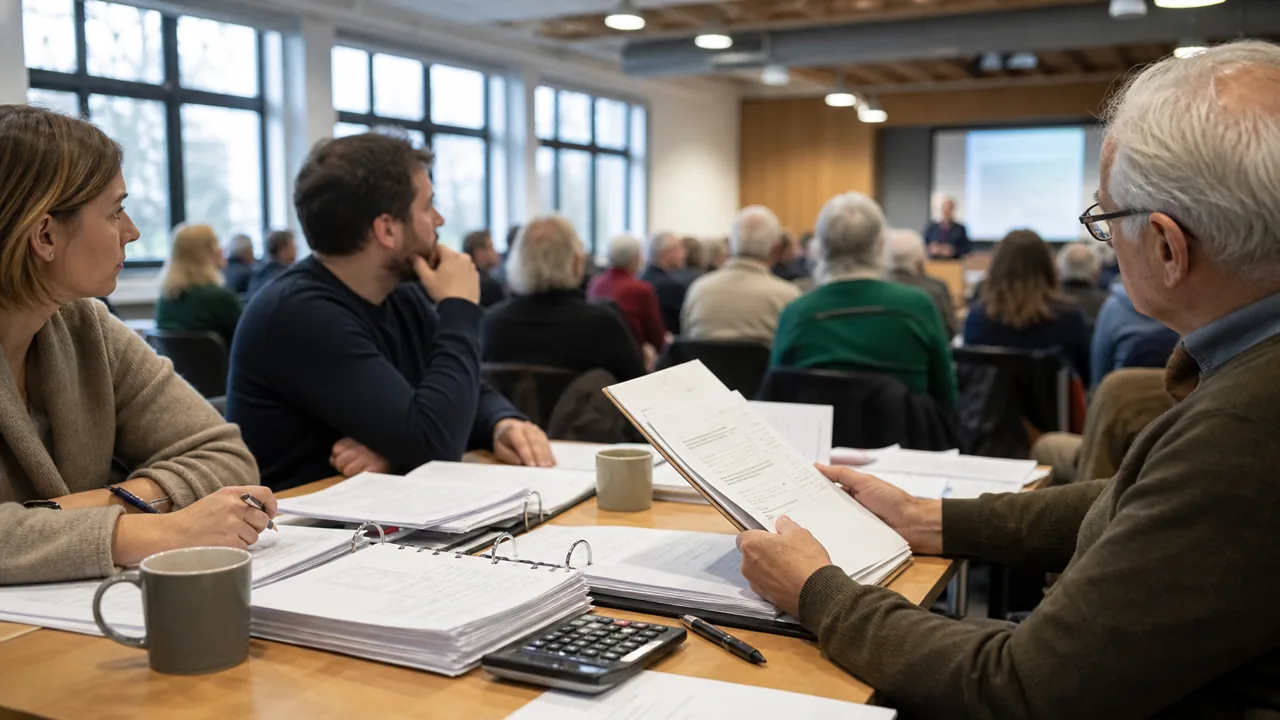
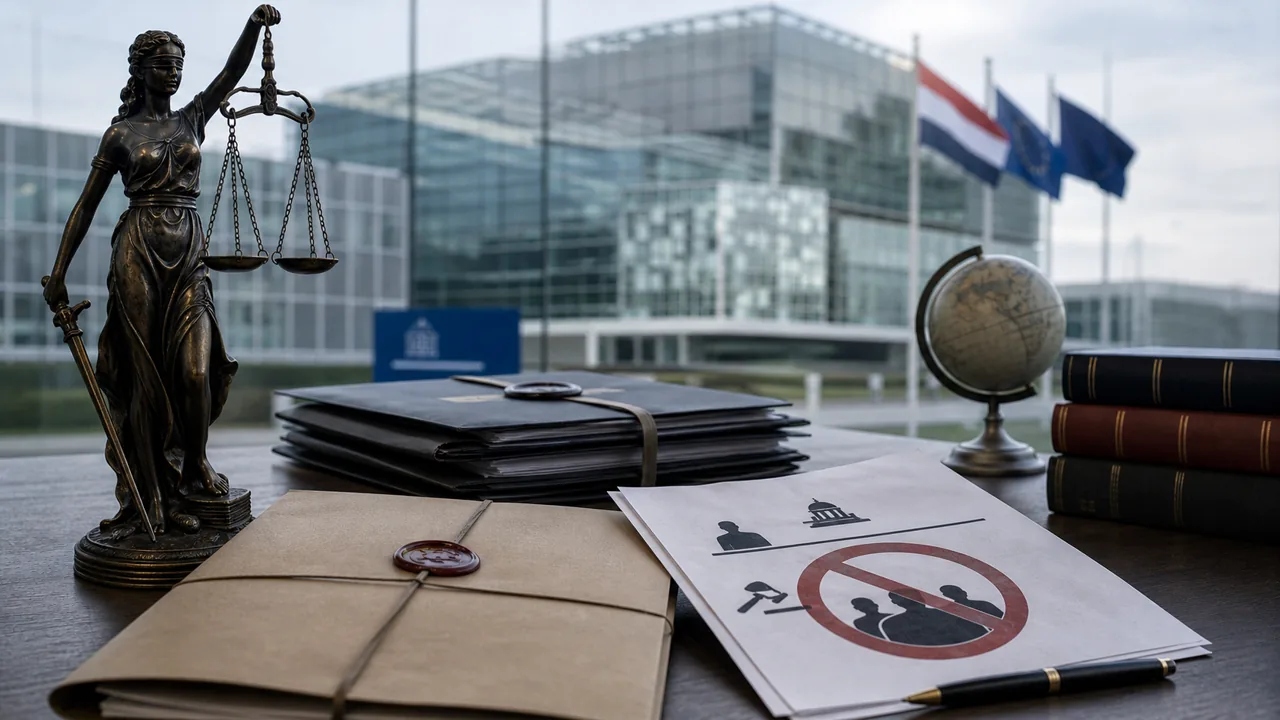
When judges themselves go to court against sanctions, justice no longer becomes a background backdrop. Then it is about who can touch judges when their rulings are geopolitically undesirable.

What sounds like a simple reward for smart power use is also a new chapter in energy policy: the household becomes part of the grid management.

The visible threat concerns a tax on digital services. The underlying clash is greater: who can levy money on profits earned in Europe, but routed through American tech companies?

The visible news is one report in an extremely small medical category. The broader question is how a society arranges an exception without the exception sounding normal in language or politics.

Frida Kahlo is at the same time an artist, political symbol, brand image and museum attraction. Precisely because of this, the new Tate exhibition not only says something about Kahlo, but also about how culture creates icons.

The Club World Cup sounds like growth in boardrooms: more clubs, more countries, more rights value. For players and competitions, the same plan sounds faster as another layer on top of an already full calendar.

In the past, heat was not automatically a code red. Sometimes that label did not exist yet, sometimes it remained with a heat wave, Heat Plan or code orange. So the change is not just in degrees, but in the language of danger.

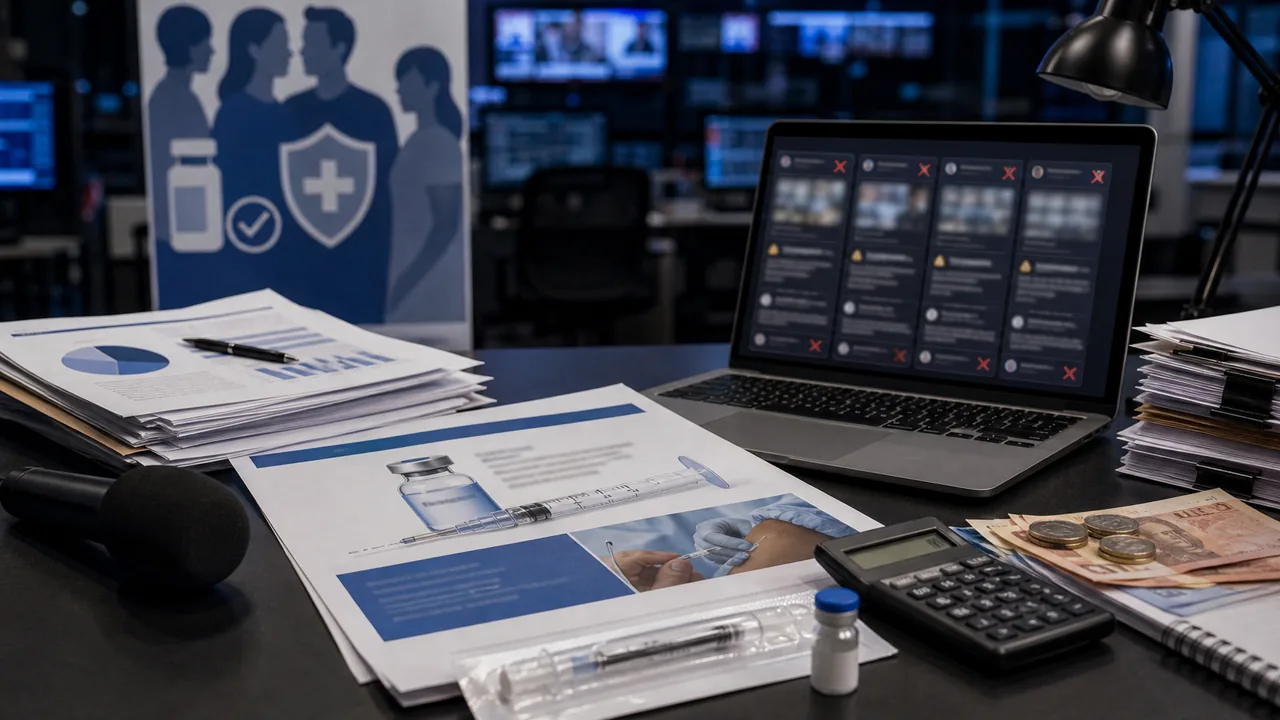
The question is not only whether a government can campaign for vaccination. The question is what happens when that same government buys media reach, puts pressure on platforms and dissenting voices are simultaneously treated as misinformation.

The hard question is not whether every contemporary editor is 'Nazi'. The relevant question is how family capital, takeovers and cross-media power determine what information millions of Europeans see every day.

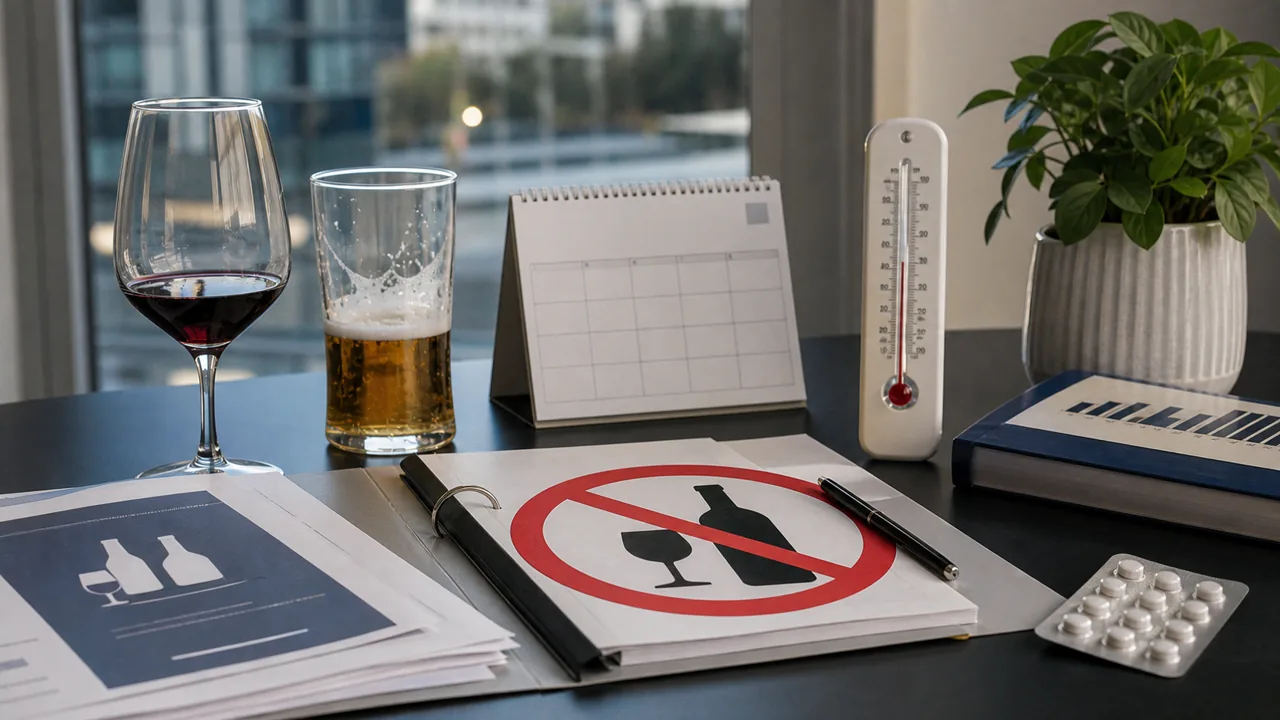
No visible European alcohol ban has been rolled out this week. But if you compare the messages, you will see a quieter movement: alcohol is treated less as normal fun and more as a health and safety risk.

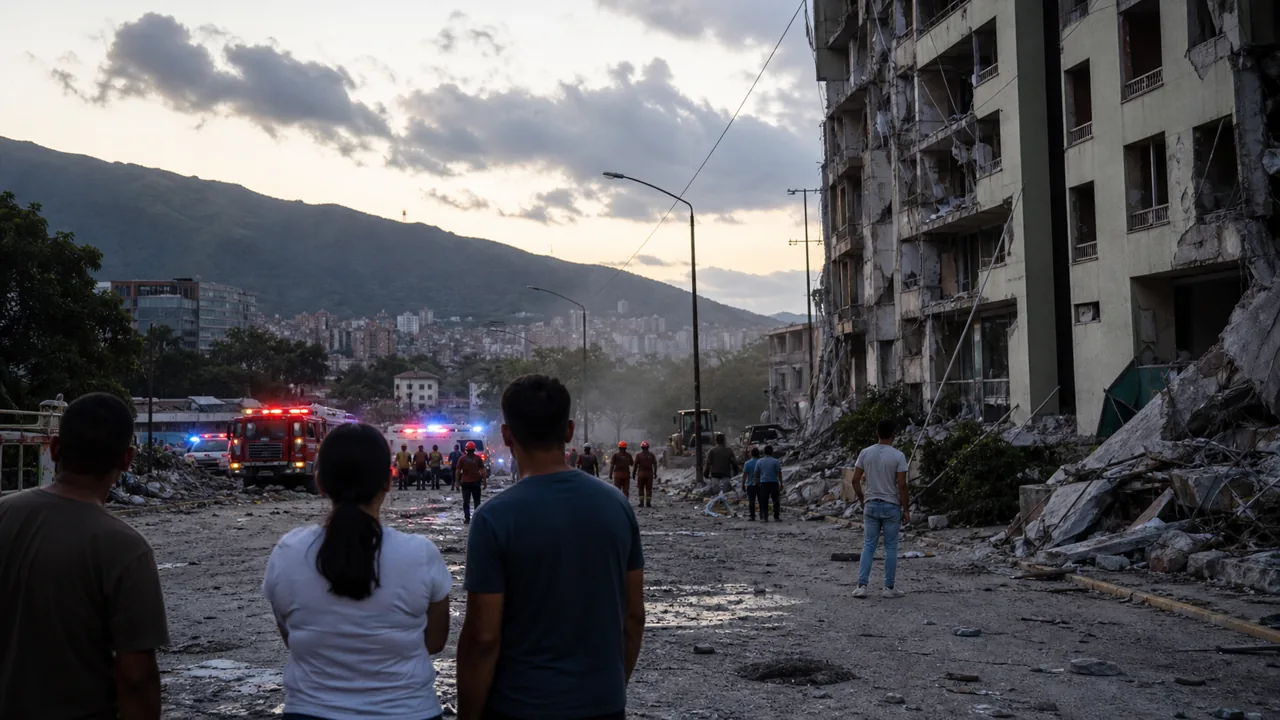
Two major quakes near Yumare make the same news readable in several ways. In seismological language it is about 7.2 and 7.5. In humanitarian language it is about collapsed buildings, evacuations, hospitals, water, shelter and families unsure where they can sleep safely.

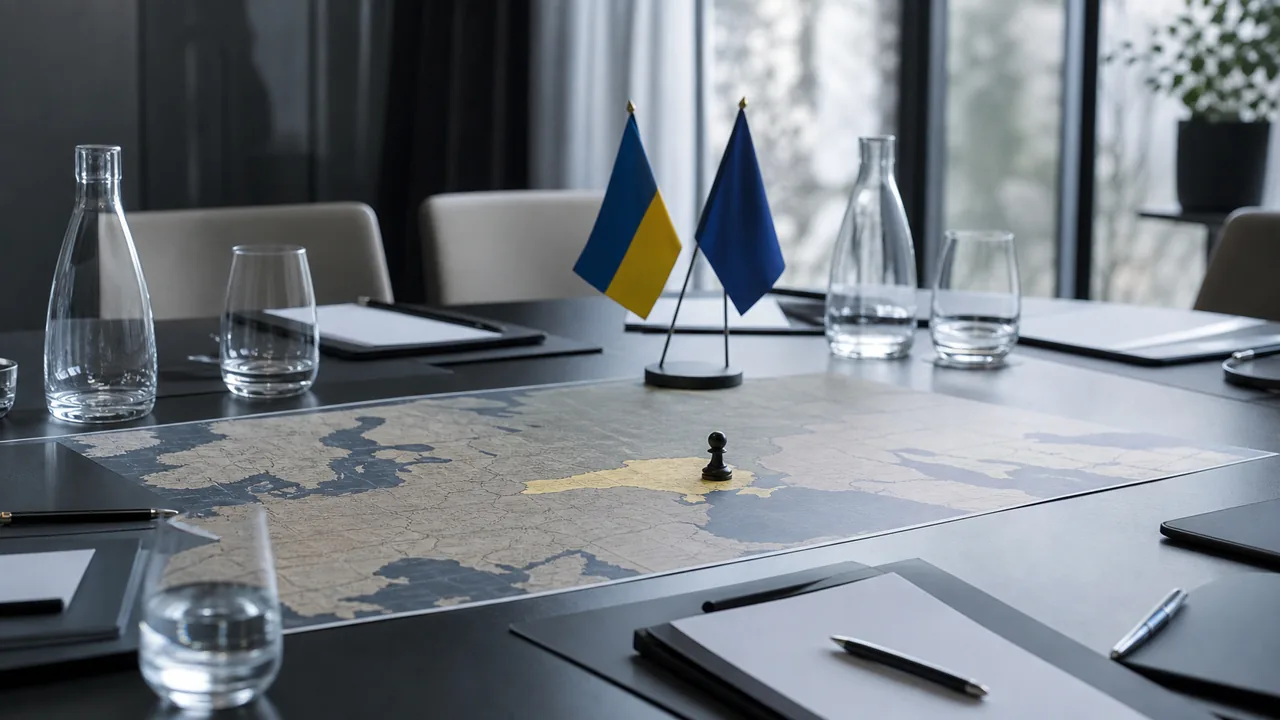
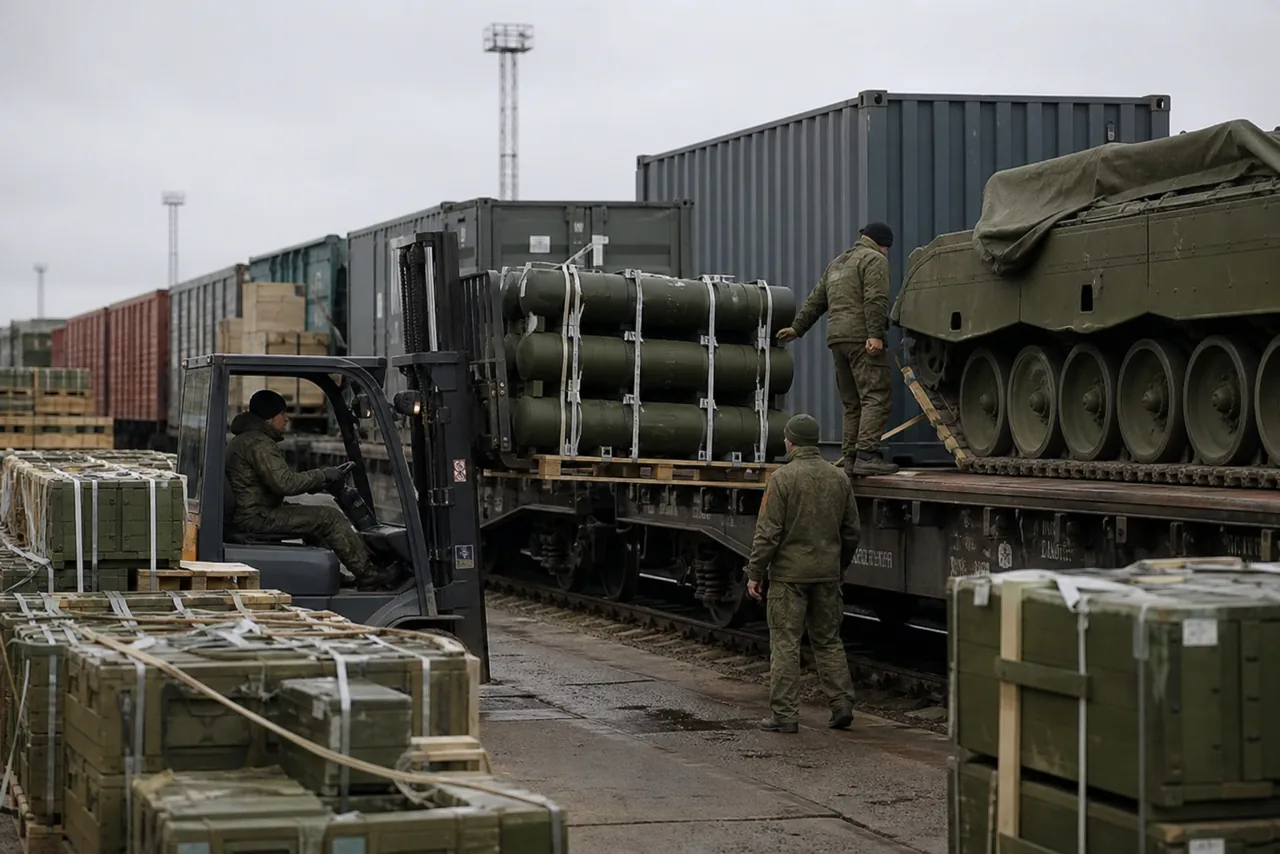
Ukraine is not a NATO country. Precisely for that reason the discussion is fraught: is Western support legitimate aid to an attacked state, or has Ukraine become the front line of a broader proxy battle with Russia?

The heat is real. But the language surrounding it is at least as interesting: in the past it often sounded like summer weather with practical warnings, but now the same heat is more quickly becoming a climate, risk and system story.

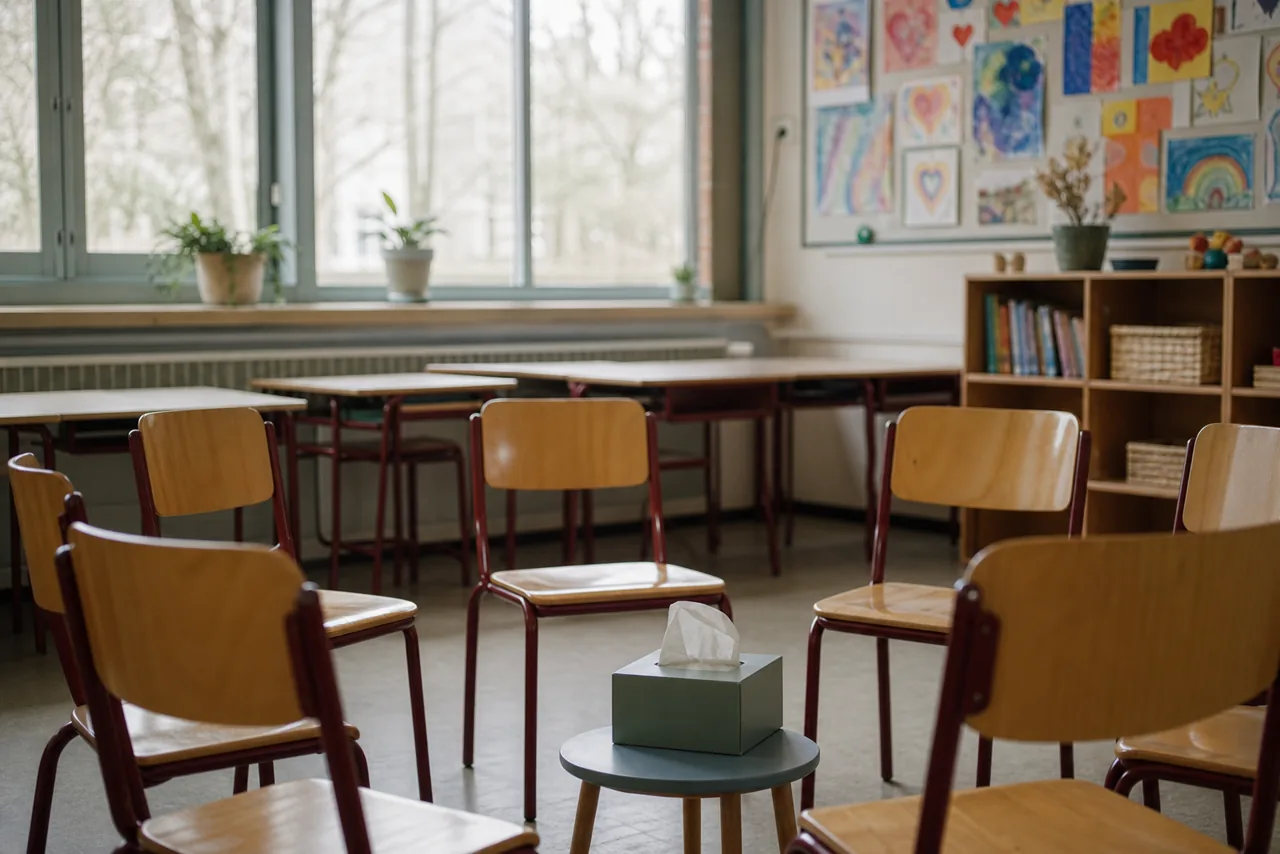
The call to talk about grief more often in class seems gentle and obvious at first glance. Yet the meaning changes when you look at whether the subject is presented as a care question, school assignment or childish explanation.

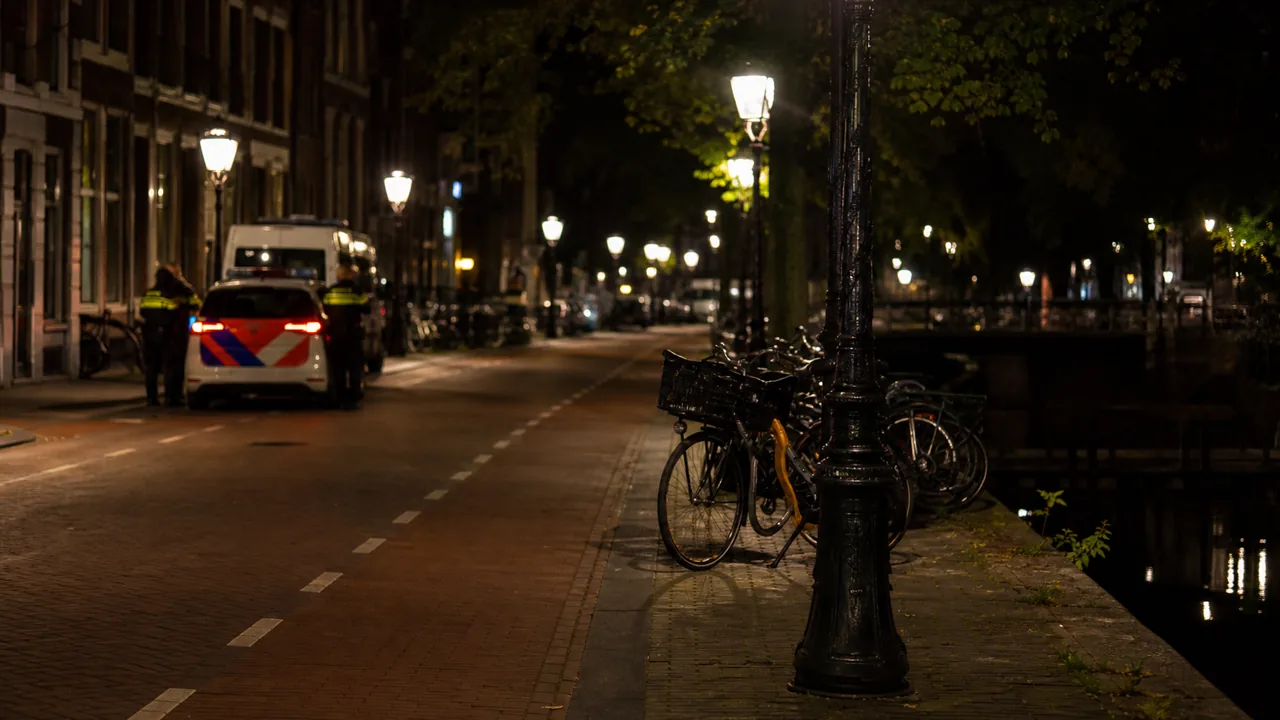
The arrest after two assaults in Utrecht is more than a police report. The case shows how quickly a local incident of violence becomes a broader security issue when randomness, images and public tips come together.

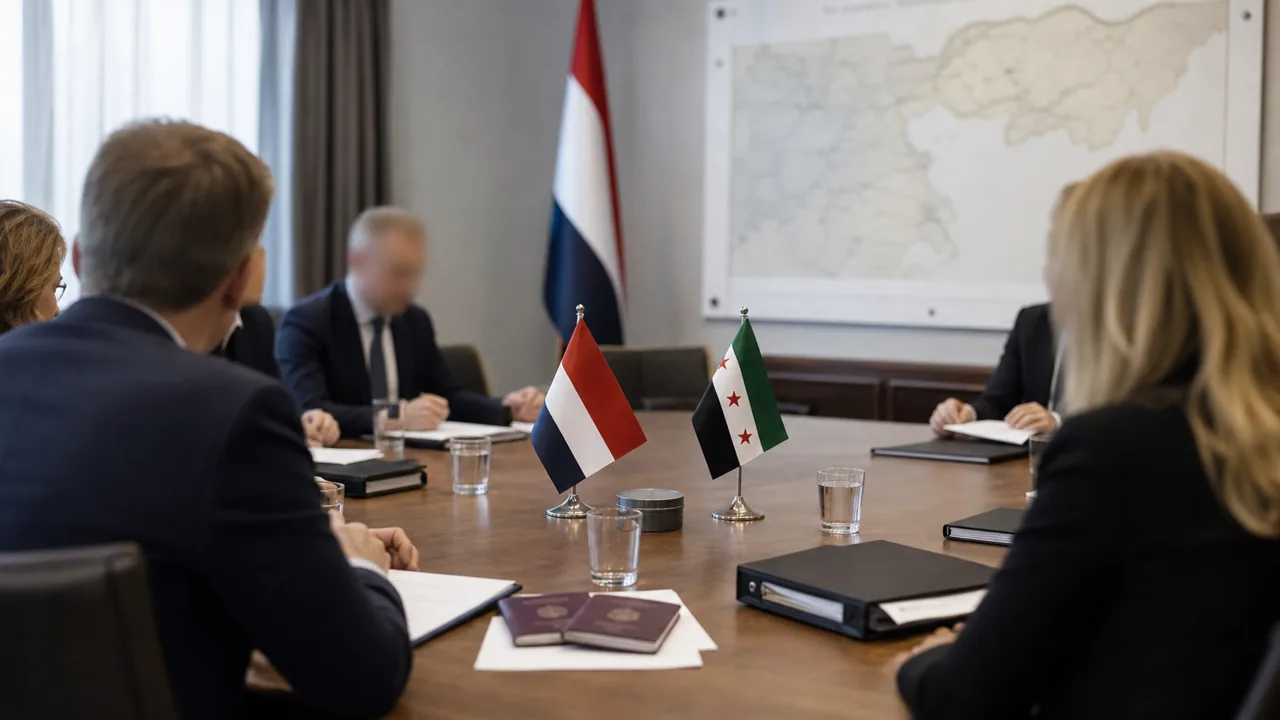
The cabinet visit to Damascus can be read as diplomatic normalization, reconstruction policy or preparation for stricter return policy. That combination makes the frame sensitive.

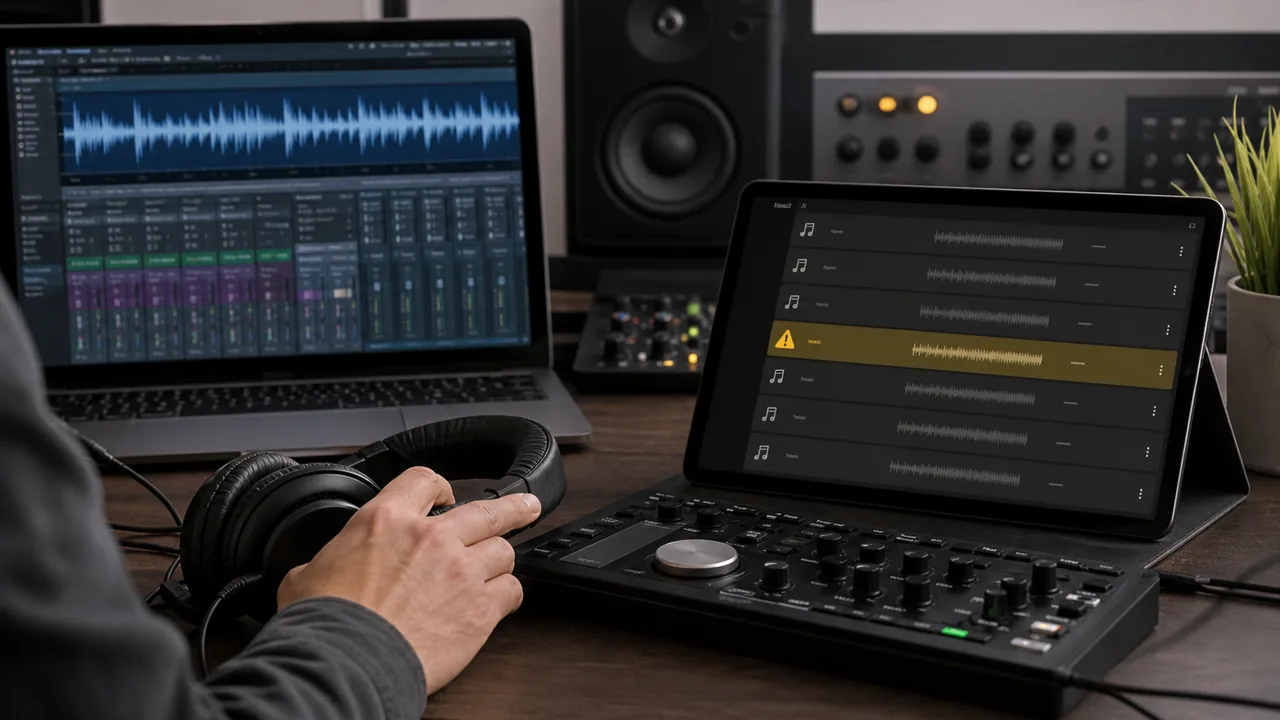
The call for an AI label in music sounds like a simple transparency measure. Yet the frame changes once detection, recommendations and royalty flows are included.

Ronaldo's two goals against Uzbekistan are a historical record in numbers, but also a recovery story in framing. AP emphasizes the unique World Cup series; The Guardian reads more strongly with criticism, form and Portuguese relief.

The Public Prosecution Service reports six arrests in the investigation into voting fraud in Gorinchem, but does not mention a party name. That is precisely what makes the reporting interesting: when does political color become context, and when does it remain out of the picture?

Research reports count files. Family histories reveal what systemic failure means in lives.

Sometimes the news is not that a drug works, but that success becomes vulnerable as soon as participation drops.

Trade borders are often a department for large companies. For small companies, they can become the revenue model itself.

Political space can quickly appear larger than budgetary space. The bond market is often the point where that difference becomes visible.

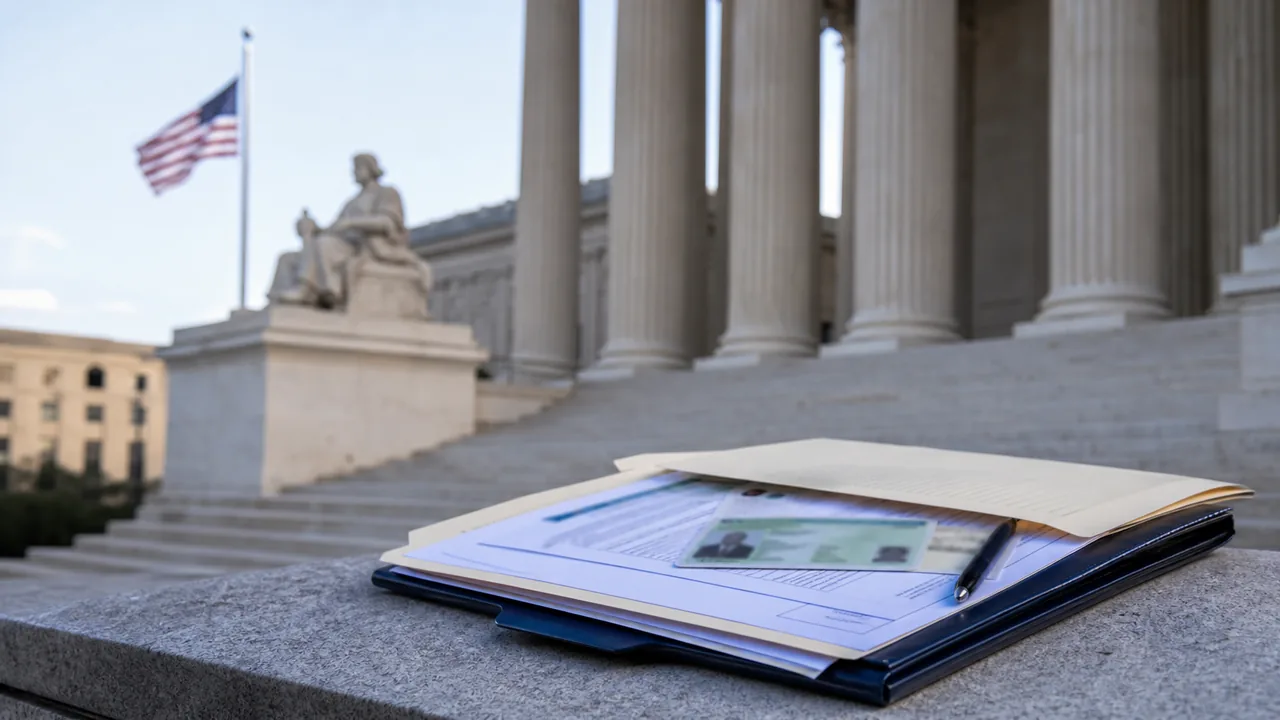
Permanent residency status sounds solid. At the border it becomes clear how legally technical that certainty can become.

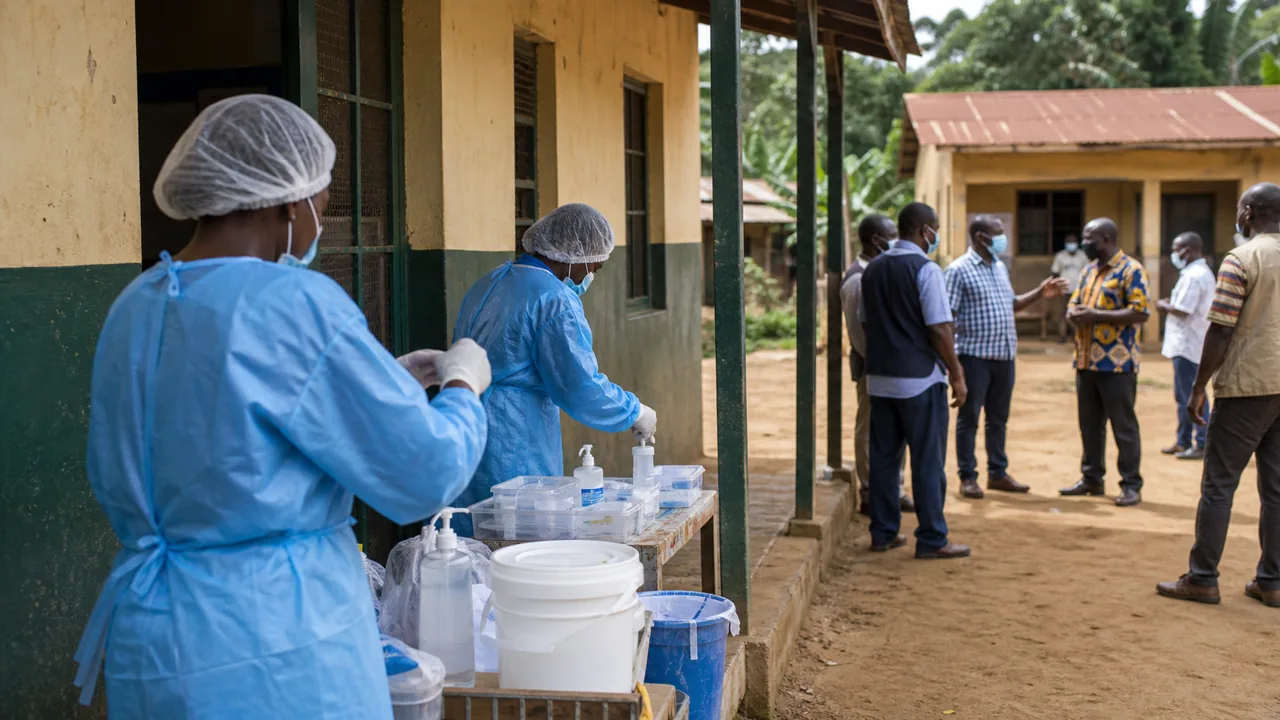
Health safety sounds technical until citizens ask who bears the risk and for whom a facility is actually being built.

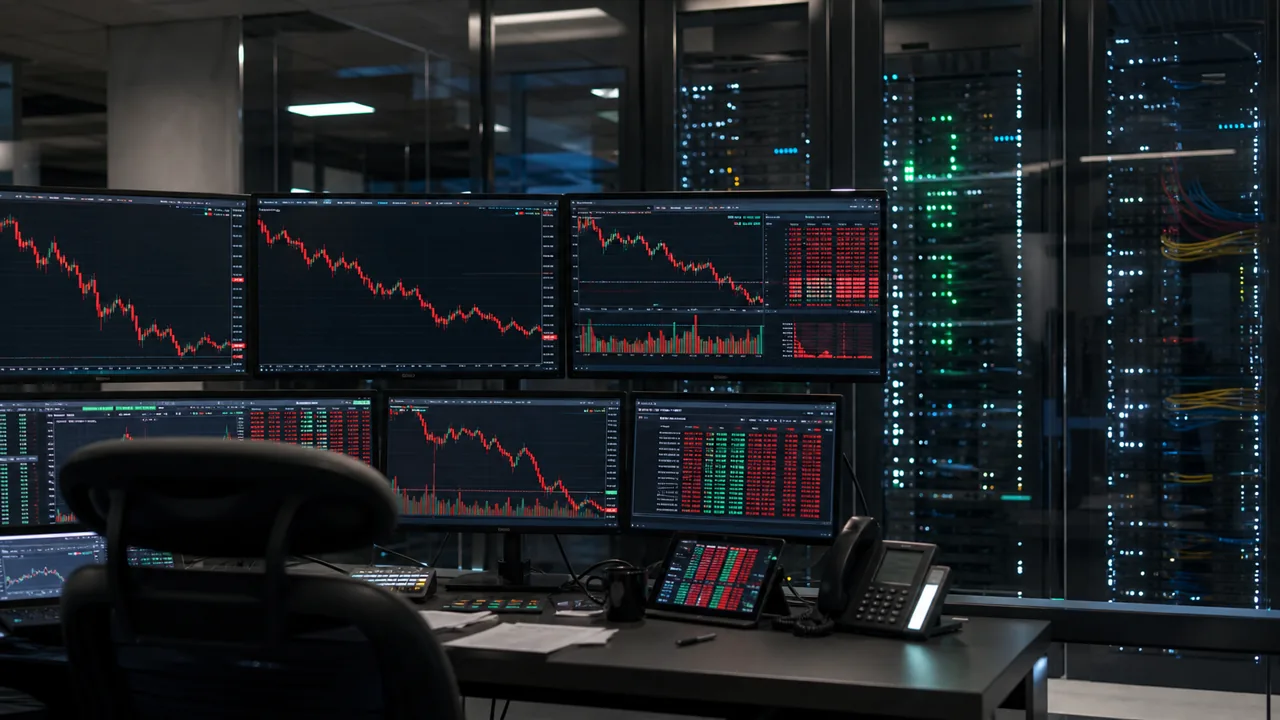
A stock market decline does not prove a bubble. But she does show what investors suddenly have less patience for.

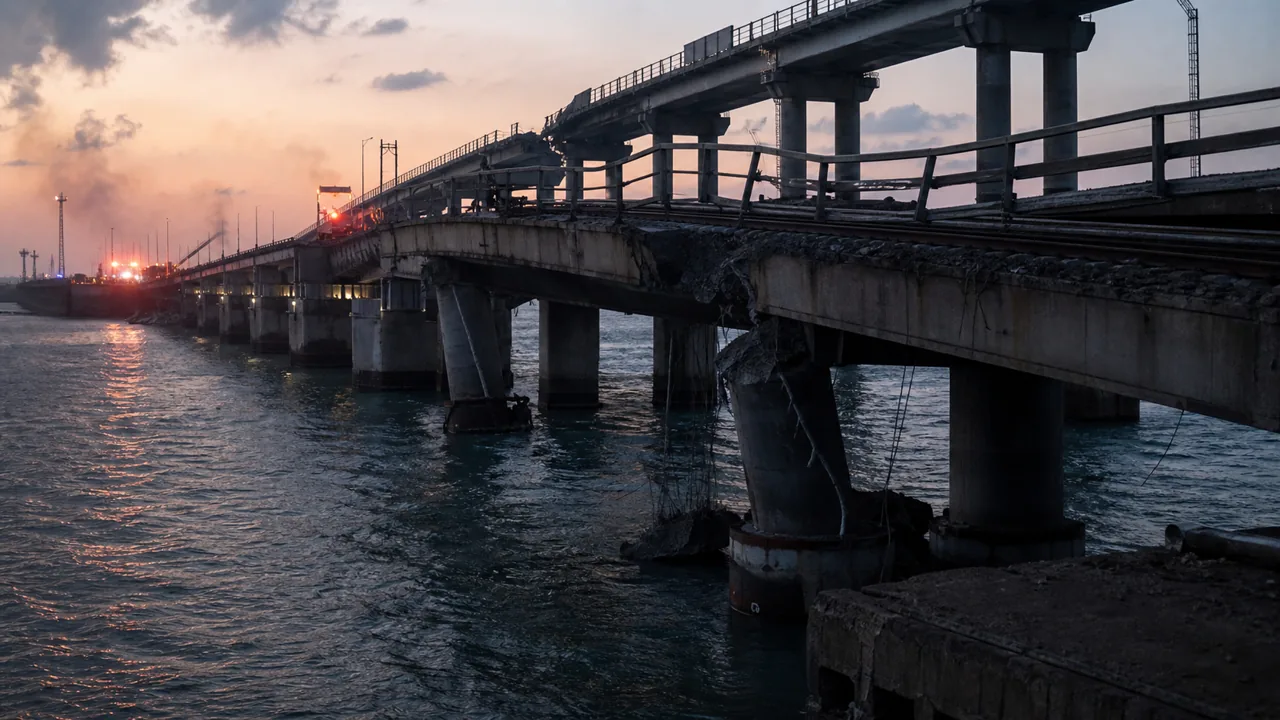
A bridge attack isn't just about concrete. It is about slowly making occupancy more expensive.

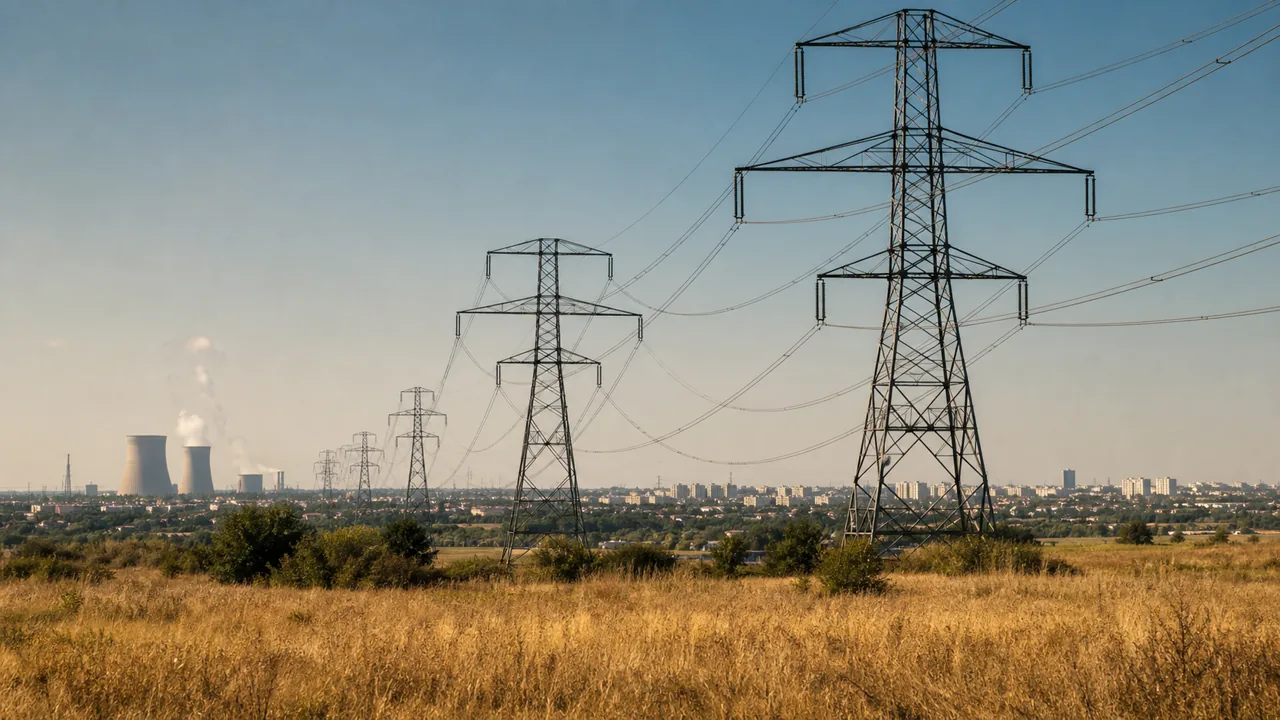
Heat is not just a weather forecast when cooling demand increases and production becomes more vulnerable at the same time.

When an alliance becomes dependent on personal appeasement, diplomacy is both a technique and a symptom.

If a radio system can shut down a country's rail traffic, recovery is only the first half of the story.

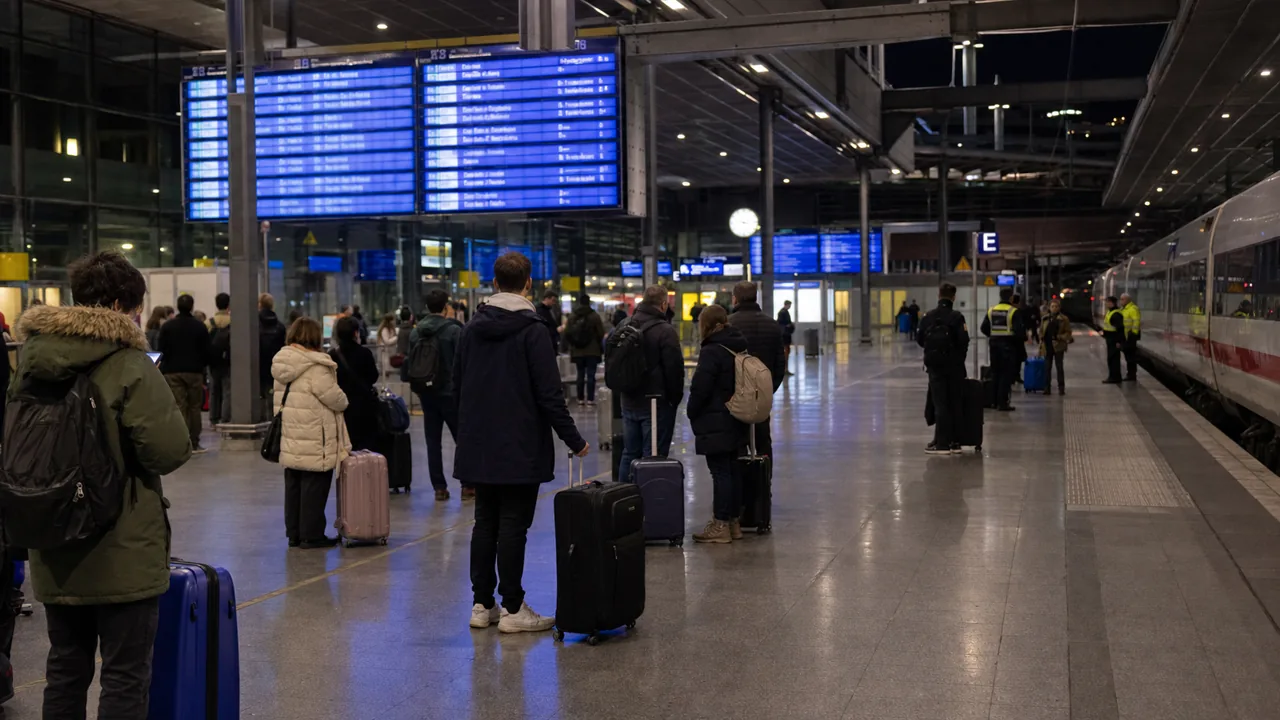
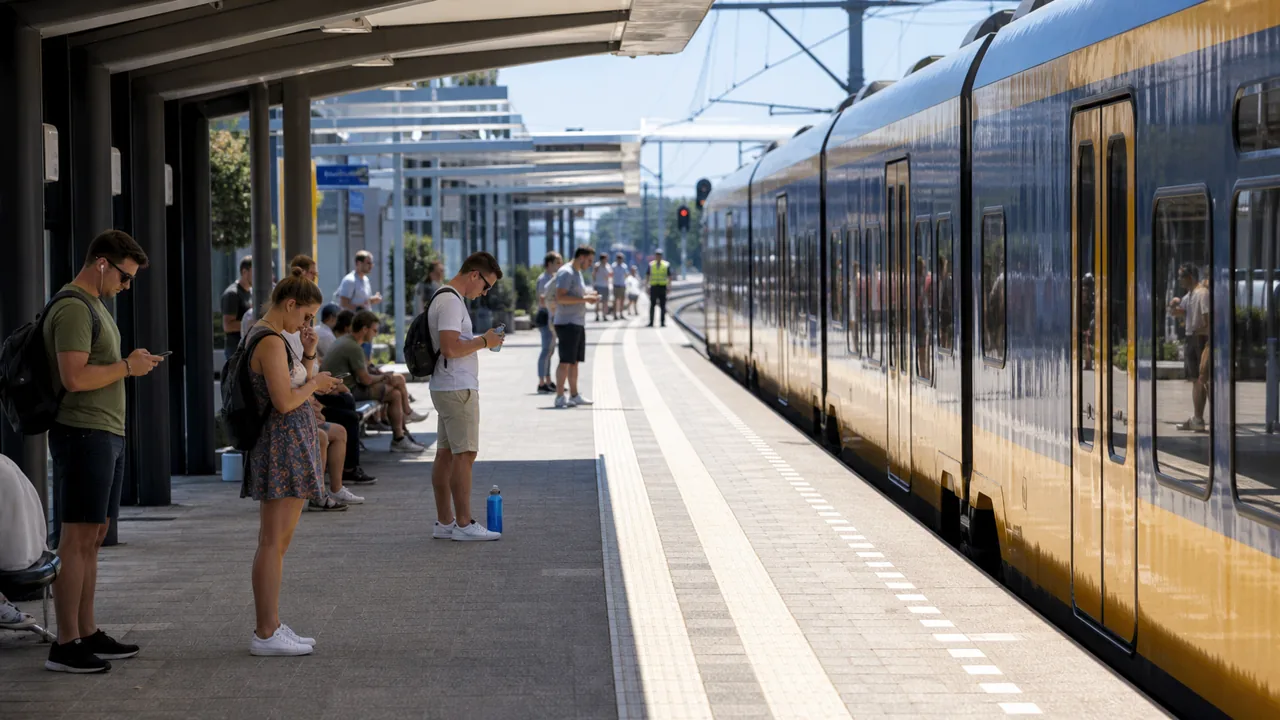
A difficult travel day rarely has one cause. Here, labor disputes, timetables and extreme heat are intertwined.

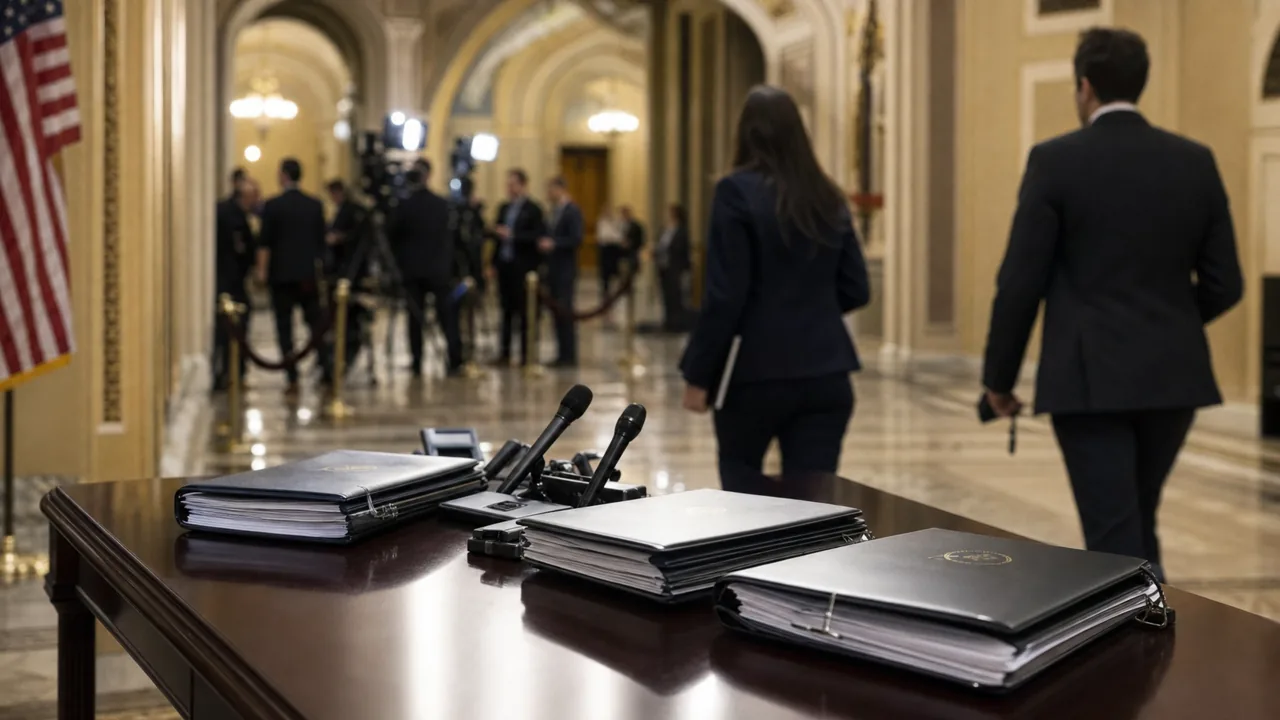
A symbolic vote can change little directly and yet say a lot politically. This certainly applies to war powers.

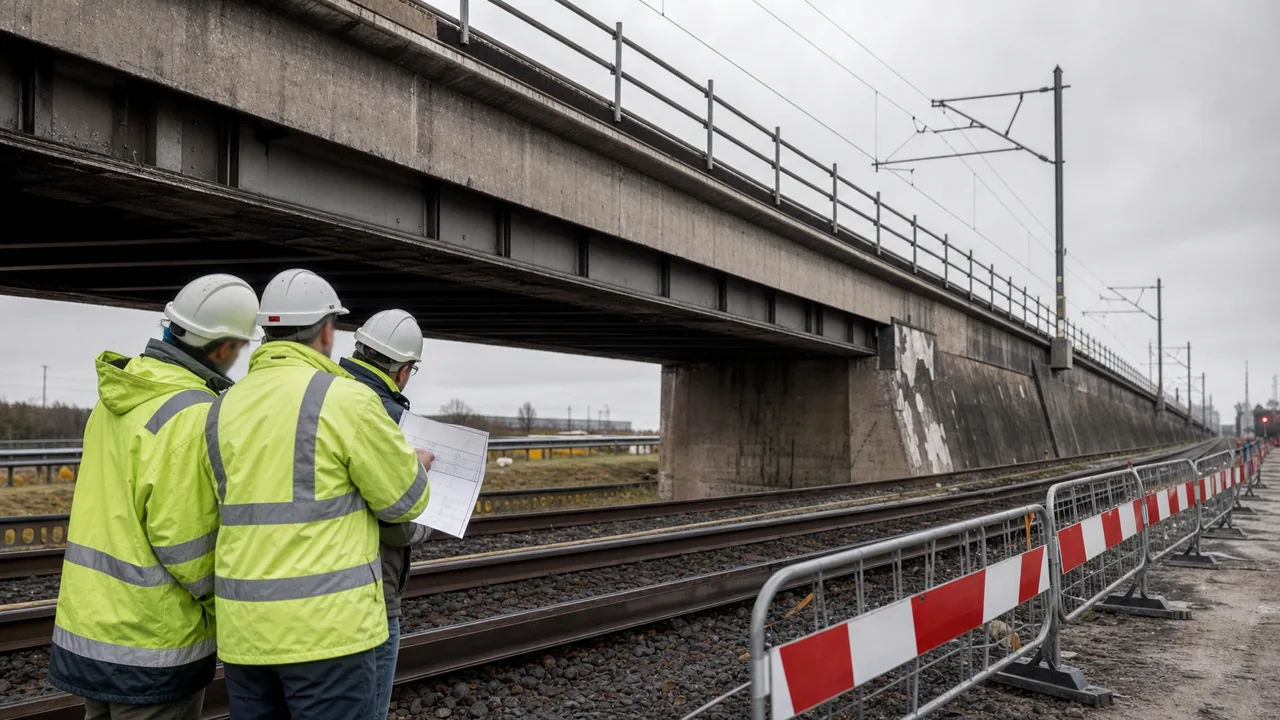
Bridges, roads and rails seem obvious until maintenance is postponed. Then infrastructure suddenly becomes distributional politics.

The EU calls it technical consultation. Critics actually see diplomatic gains for the Taliban. Both readings can exist simultaneously.

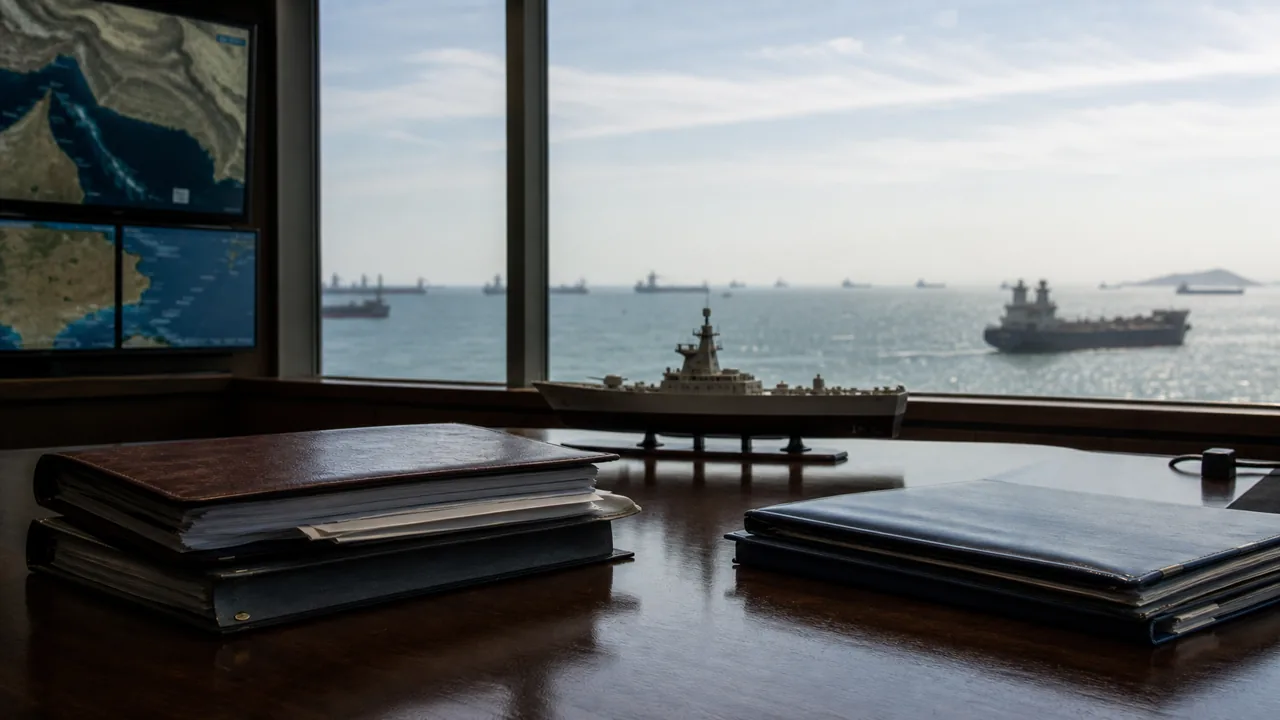
More ships at sea seems like normalization. But in Hormuz, traffic is only reassuring if the conditions behind it are stable.

Allies can be on the same side militarily and yet historically end up on opposite sides. That makes this conflict more sensitive than a protocol issue.

Pension policy sounds technical, but it determines who pays today for security tomorrow. That is why the framing varies greatly per source.

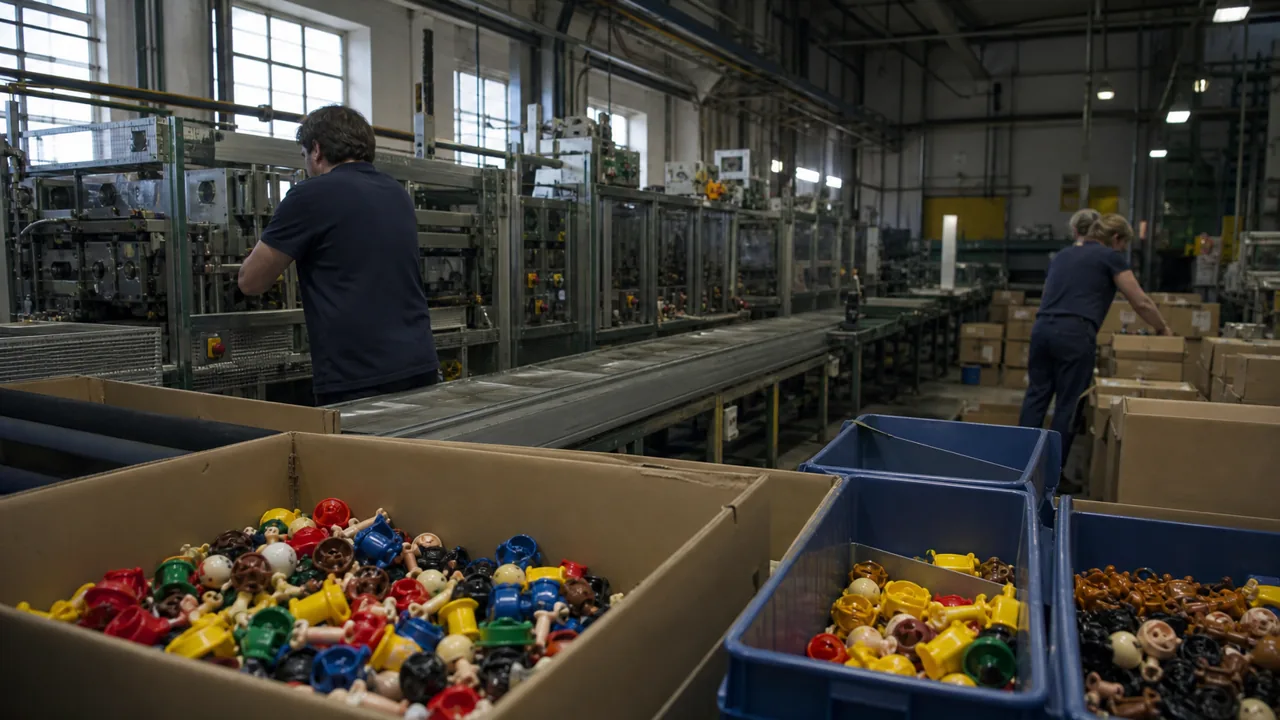
A toy factory closure affects more than jobs. She shows how nostalgia, brand value and European production costs can diverge.

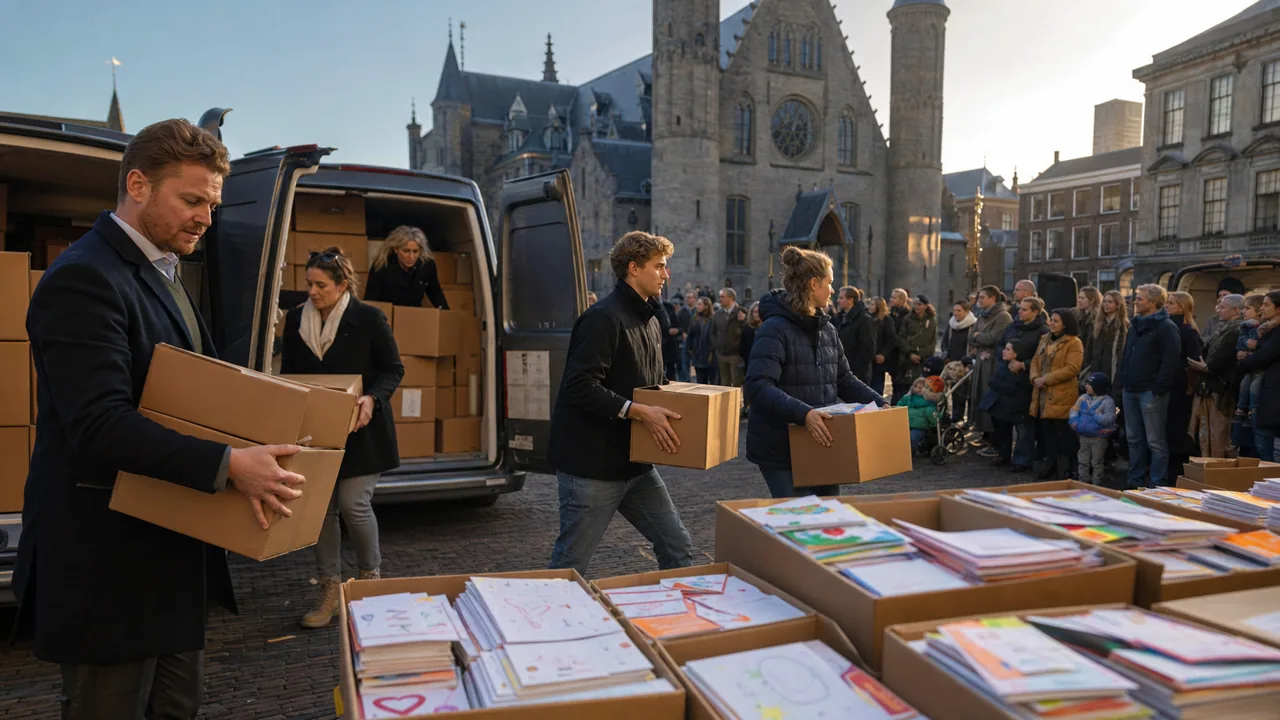
A deck of cards is not a bill. Yet such an action can suddenly give a policy file a face, pace and moral pressure.

The heat wave is no longer just a weather report. In different countries, the same temperature becomes a question about smog, schools, work, drinking water and public safety.

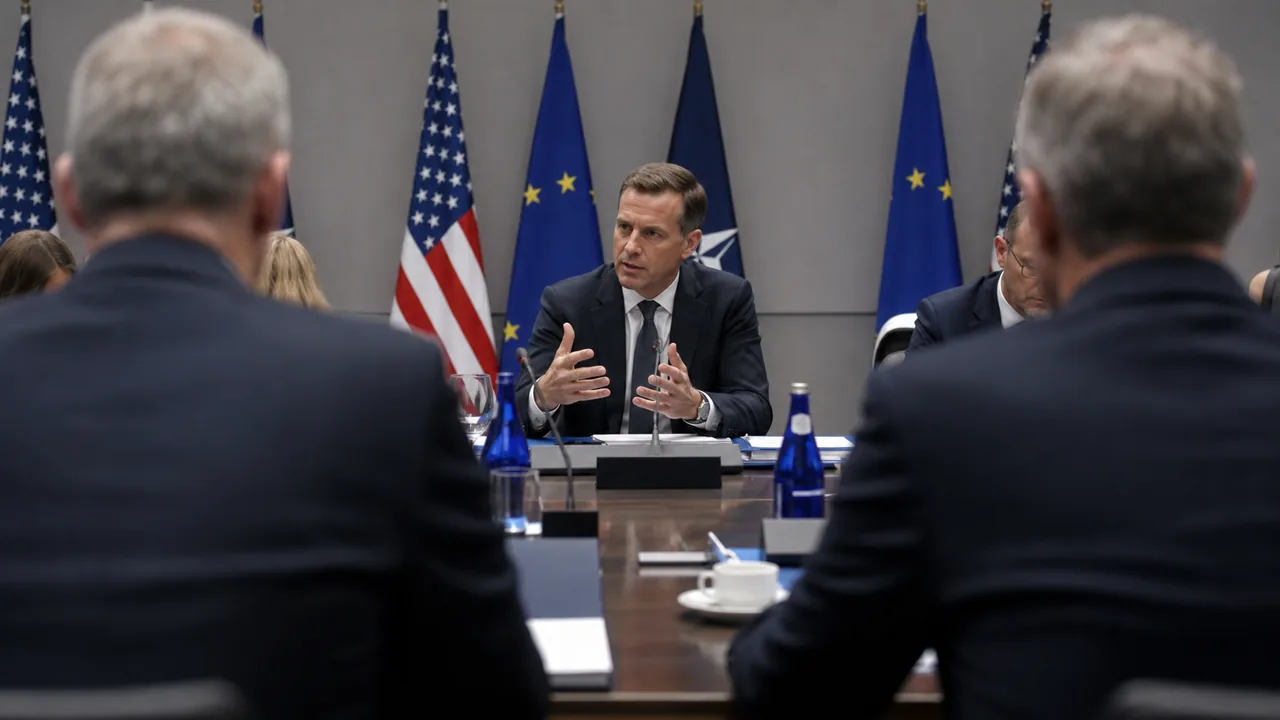
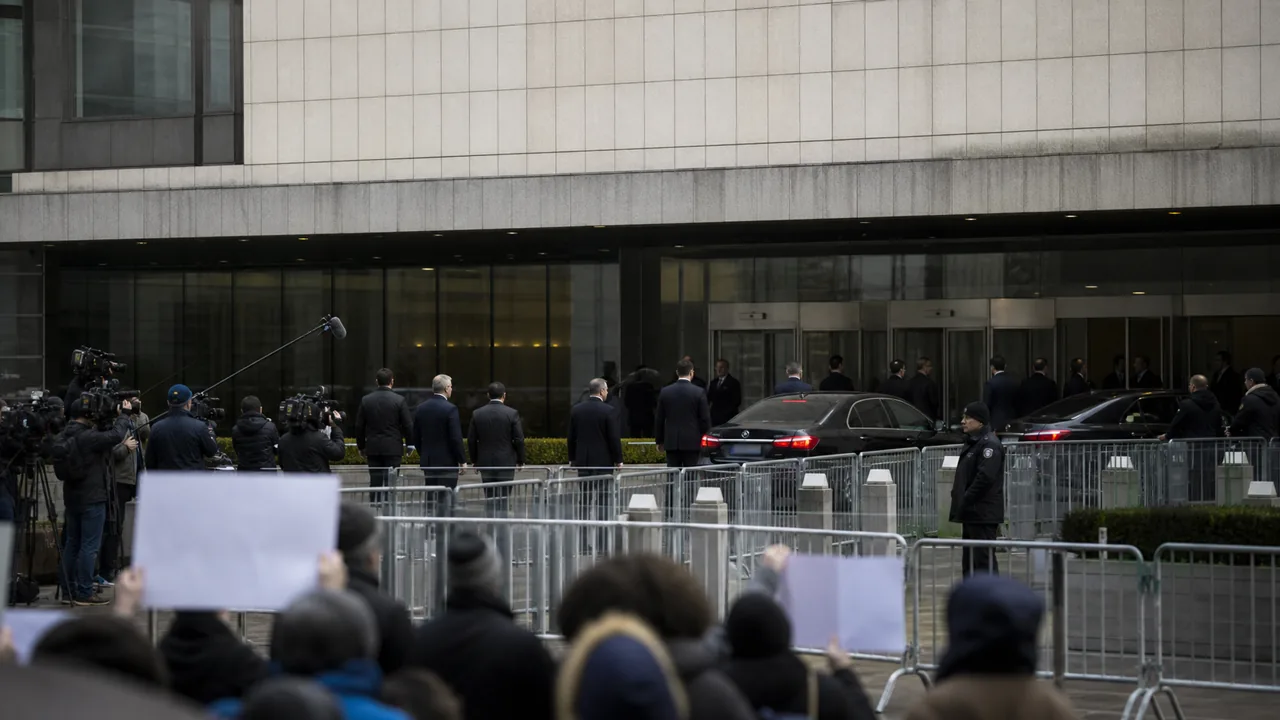
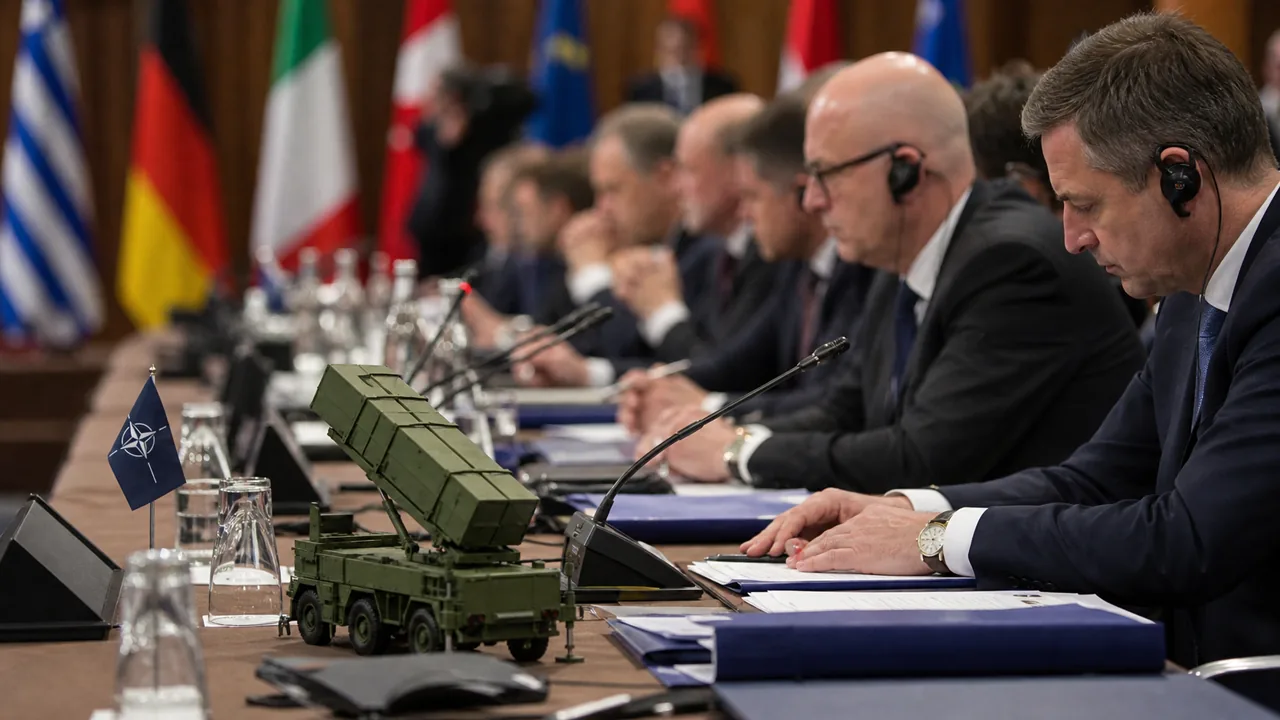
A NATO summit is at the same time a ceremony, a security operation and a signal to opponents. That is precisely why reporting differs greatly from source to source.

In Iran diplomacy, optimism quickly sounds like a breakthrough. But the hard point remains who is allowed to watch, where and when.

Attacks on bridges and logistics are military facts, but the words surrounding them determine whether readers mainly see success, retaliation or escalation.

The word genocide is legally and morally heavy. Precisely for this reason, reporting on it requires precise source citation and sober formulation.

Closing a hospital sounds administrative. For patients, staff and the city, it is about distance, trust and concentration of care.

Dynamic flow sounds like the market is plugged right into the socket. In practice, the consumer mainly sees peaks, valleys and conditions.

Shoplifting is often read as petty crime news. With record losses, it turns into a question about margins, supervision and social pressure.