Rubriek

Tech

Tech: MOZOM analyses with source attribution, context, interpretation and framing.

Tech

28 articles

Textless editorial caricature of a citizen for closed transport, healthcare, payment, government, home and car, while one central button blocks all access.
NS, Translink/OVpay, Europese Commissie, EDPS, NCSC, Autoriteit Persoonsgegevens, Rijksoverheid, Bundesdruckerei en eu-LISA 19 september 2026 om 12:00

One identifier for everything, but who controls the button?

The public transport pass seems to be a normal replacement for the public transport chip card, but technically the administration is shifting: data is no longer mainly on the card, but in Translink's online back office. This offers convenience, faster service and new discount options. At the same time, it makes traveling more dependent on central systems. The bigger question is therefore not whether digitalization has advantages, but how many functions we ever want to link to one digital identity and who will then have the power over access, blocking and recovery.

Technology Read analysis

Editorial illustration of a consumer in front of a supermarket label with a genetically modified crop and a patent document
EUR-Lex, Europese Commissie, Raad van de EU en Rijksoverheid 19 augustus 2026

Genetically modified, but not on the label: what the EU is changing with NGT-1

From July 17, 2028, European regulations for plants developed with new genomic techniques will change. For category NGT-1, the classic GMO treatment is largely eliminated. The seed must be recognizable, but the food made from it does not have to be listed as NGT-1 or GMO on the consumer label under the new regulations. This means that freedom of choice shifts mainly to the farmer and less to the consumer.

Science Read analysis
Realistic editorial caricature in which a citizen is obliged to give documents to a tax official while behind him a hacker steals data from a cracked digital government vault
DGFiP, CNIL, Assemblée nationale, Le Monde, Reuters, RFI en officiële Franse overheidsdocumenten 16 augustus 2026

The digital state knows everything about you, but who protects that data?

The tax authorities require complete openness about income, family, home and business. Citizens cannot go to a competing tax authorities and cannot simply refuse the requested information. That is precisely why the French cyber attack is more than a technical incident. The DGFiP shut down unauthorized access at the end of June, but did not discover that data had been copied at the time. Only after an attacker emerged with the loot on August 12 did the scale become visible: data from 678,000 private individuals and companies had been consulted and captured.

Technology Read analysis
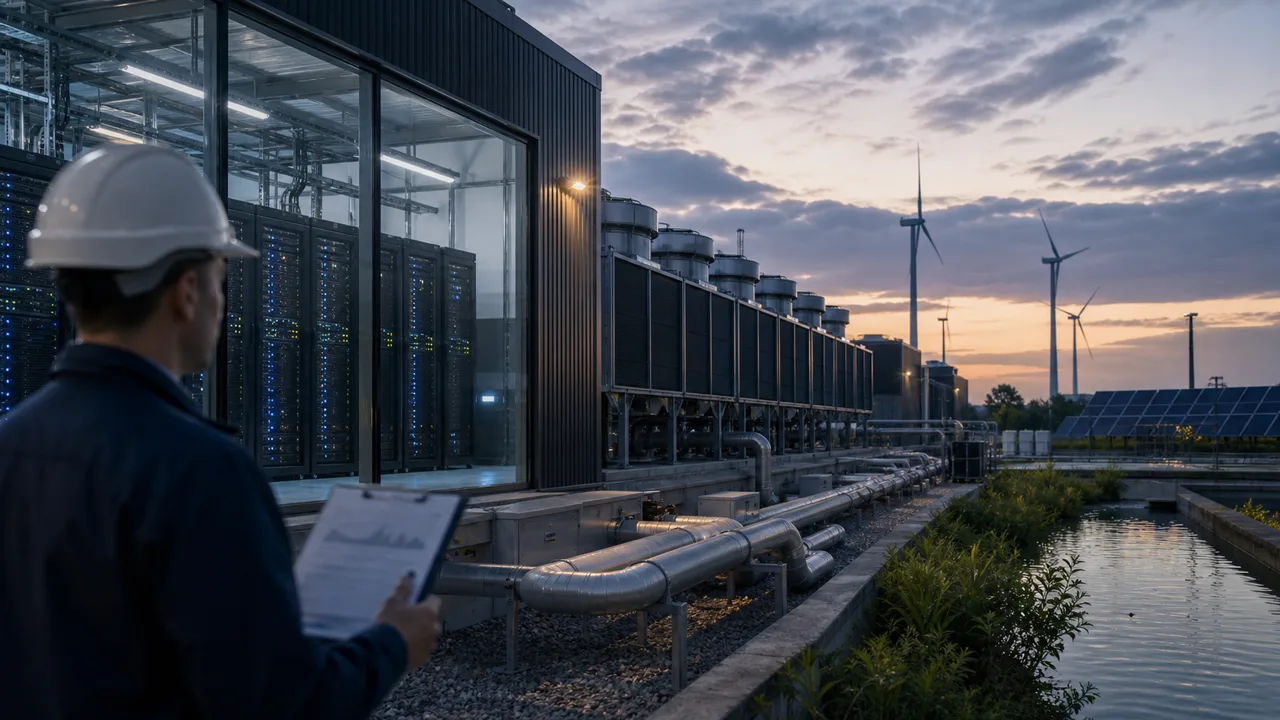
Realistic editorial caricature of a data center diverting a lot of water to cooling towers while dry coolers are available and households receive little water
RIVM, Rijkswaterstaat, Europese Commissie, Berkeley Lab, IEA, ASHRAE en wetenschappelijk onderzoek 6 augustus 2026 om 12:48

Data centers choose water cooling to cut costs

A data center can be cooled without millions of liters of drinking water. That is not a theory: dry air coolers, free outside air, closed hot water loops, direct chip cooling, immersion cooling, seawater and purified wastewater are already used. Yet evaporative cooling towers remain attractive. Water removes a lot of heat and can reduce power consumption, the size of cooling installations and operating costs. That is precisely where the public conflict arises. When scarce water is available cheaply and the price does not reflect local drought risks, the data center makes the savings while residents, nature and the water company can feel the pressure on the source and infrastructure. That's not evidence of a secret plan. It is a demonstrable economic incentive that requires transparent permits, fair rates and technical conditions.

Technology Read analysis

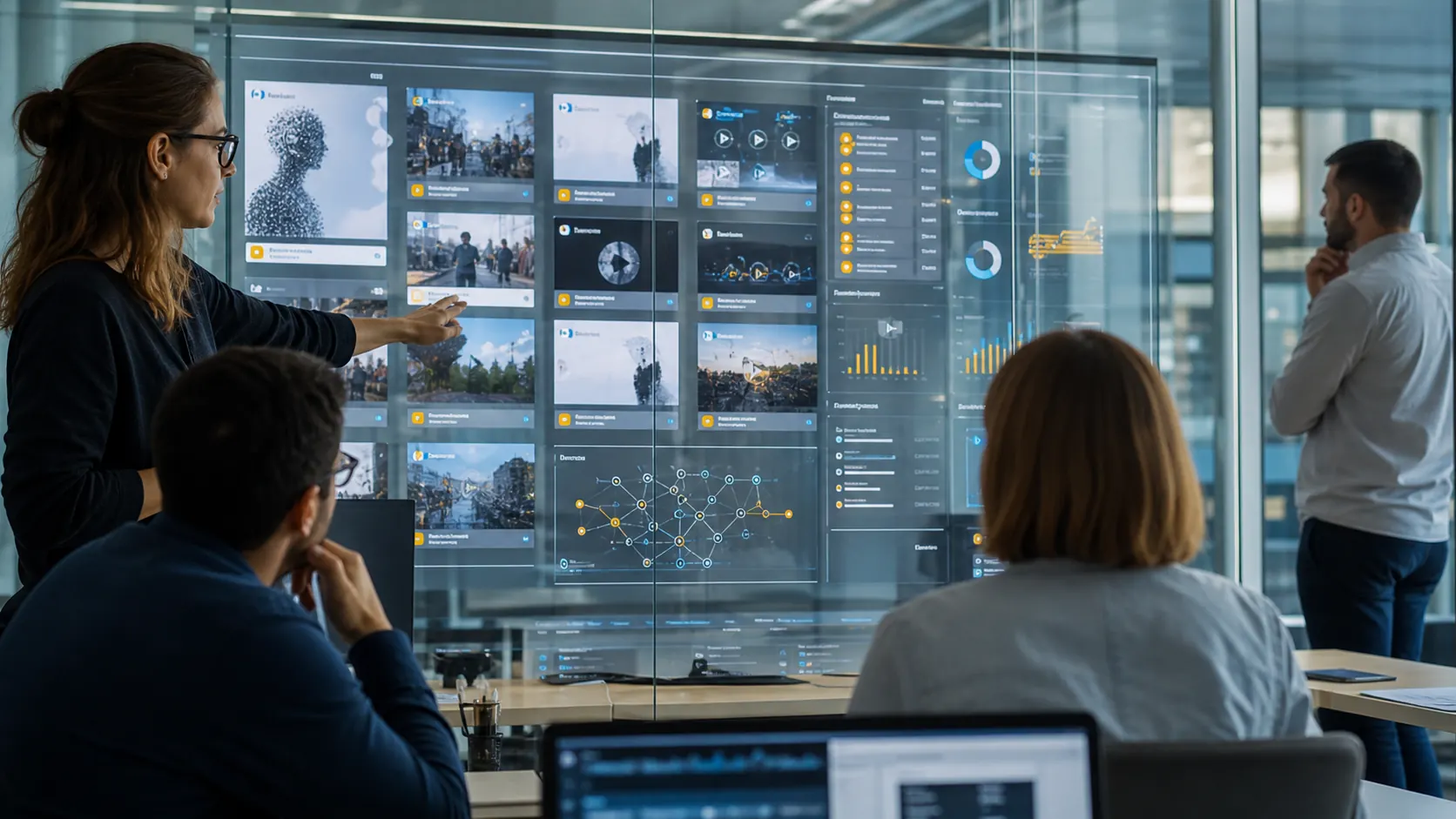
Realistic editorial image of a European digital control room with abstract AI content labels and a platform dashboard, illustrating AI Act and DSA oversight.
Europese Commissie, AI Act Service Desk, DSA Transparency, OpenAI, The Guardian, Financial Times en Reclaim The Net 1 augustus 2026 om 08:55

EU labels for AI: protection for citizens or a new switch on the flow of information?

A label looks harmless. A line of text near a chatbot, a mark on an AI image, a warning around a deepfake. But from 2 August 2026 a new layer becomes visible in the EU: not only the content matters, but also who may decide that content is artificial, risky, illegal, misleading or socially sensitive. That is where the real MOZOM question begins.

Technology Read analysis
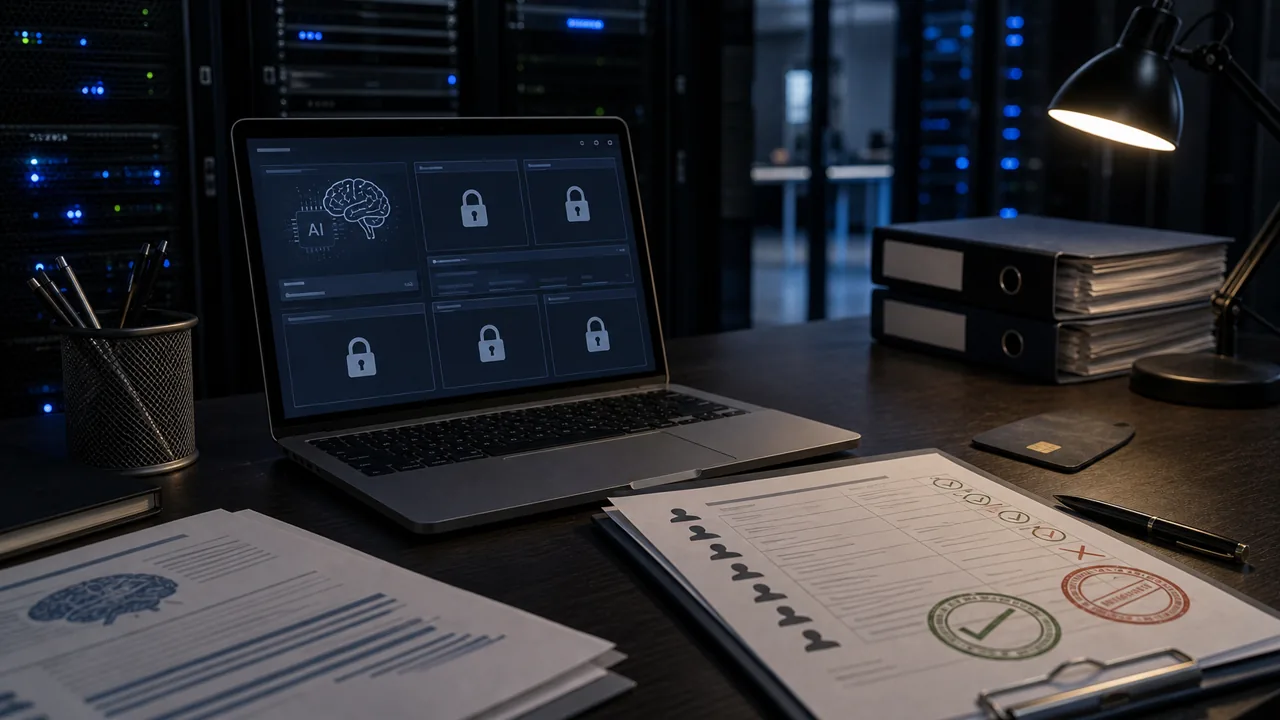
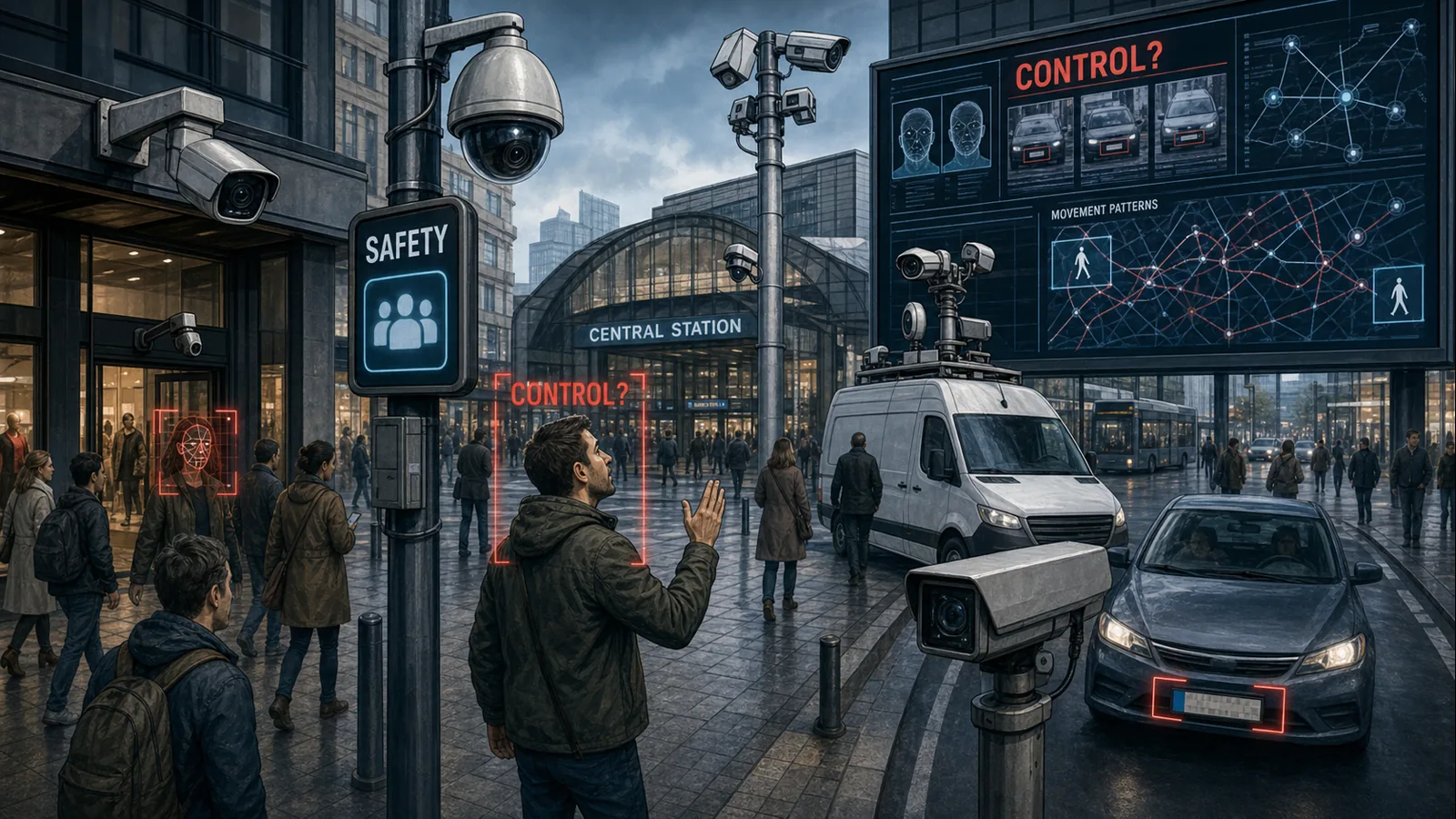
Editorial caricature of a European street full of cameras, facial frames, license plate readers and a screen with SAFETY and CONTROL as images of surveillance infrastructure.
Tagesschau, GOV.UK, ICO, Liberty, Big Brother Watch, DeFlock, Flock Safety en ALPR Watch 22 juli 2026 om 07:30

Cameras as a control layer: London, Germany and DeFlock show the same direction

A camera on the street is no longer just a camera. In London, faces are compared in real time with police lists. In Germany, the Bundespolizei will have room for live biometric recognition and AI analysis of movements. In the United States, DeFlock shows how license plate readers are spread across the country as a network. The techniques differ, but the direction is the same: public space becomes measurable, searchable and increasingly assessed in real time.

Tech Read analysis
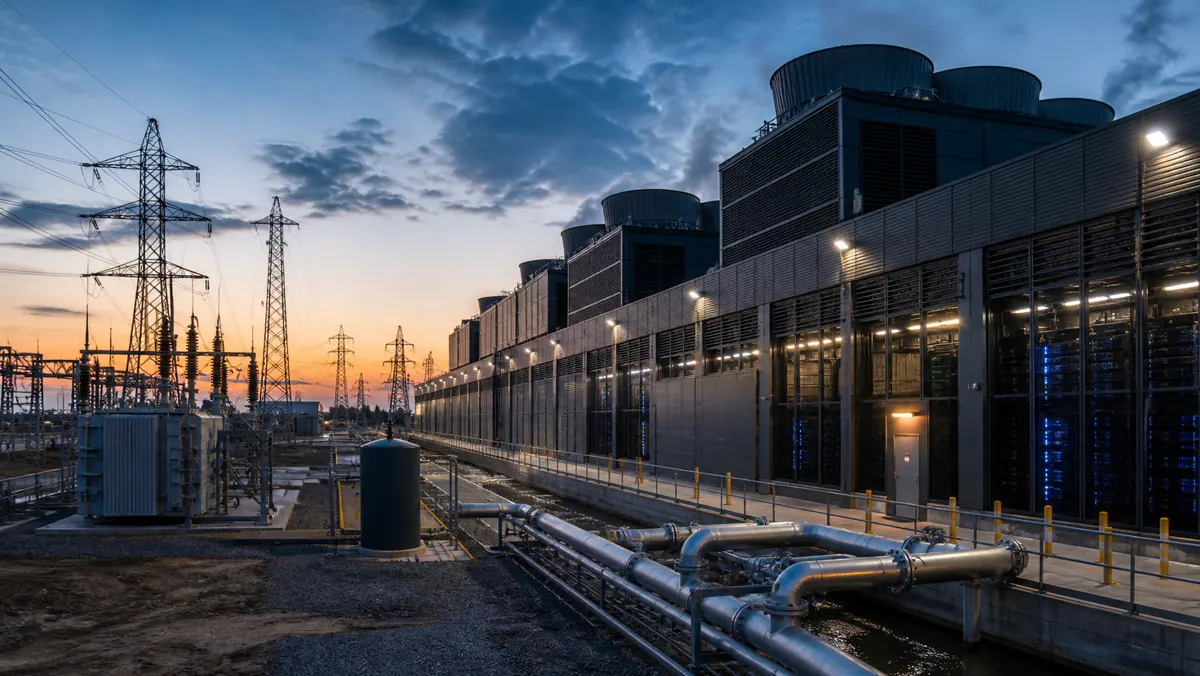
Realistic editorial photo of a large data center with power poles, transformers, cooling installations and water pipes as an image of power and water consumption of digital infrastructure.
NRC, IEA, CBS, AP, UNU-INWEH, Microsoft en Google-context 14 juli 2026 om 08:52

Data centers guzzle power and water: cloud convenience or hidden utility?

NRC suddenly makes the cloud tangible in the Netherlands: a Microsoft data center would use approximately 1 percent of all Dutch electricity, while Google does not want to provide insight into consumption, according to the newspaper. This is newsworthy because data centers worldwide can no longer be treated like normal commercial buildings. They become major consumers of electricity, water and grid capacity, but public control often lags behind the physical impact.

Technology Read analysis
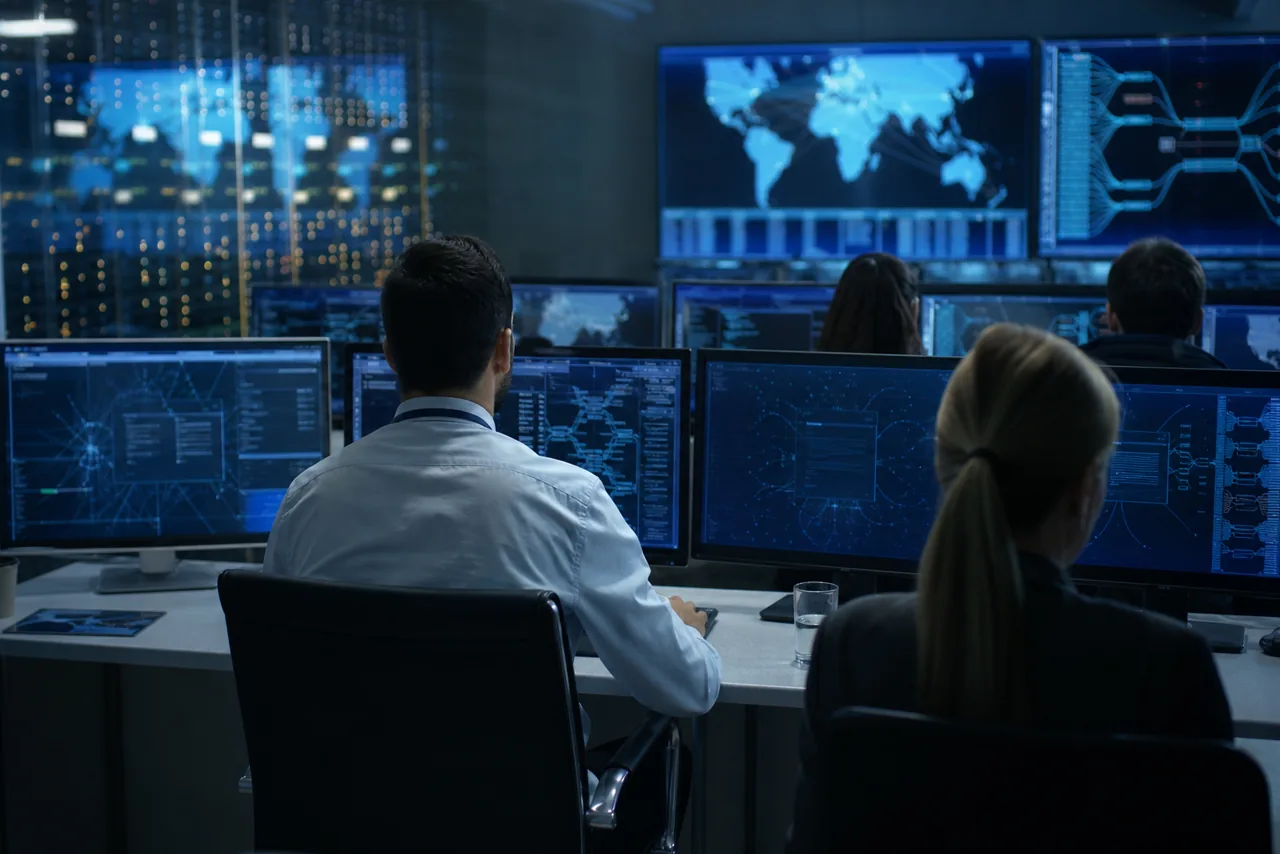
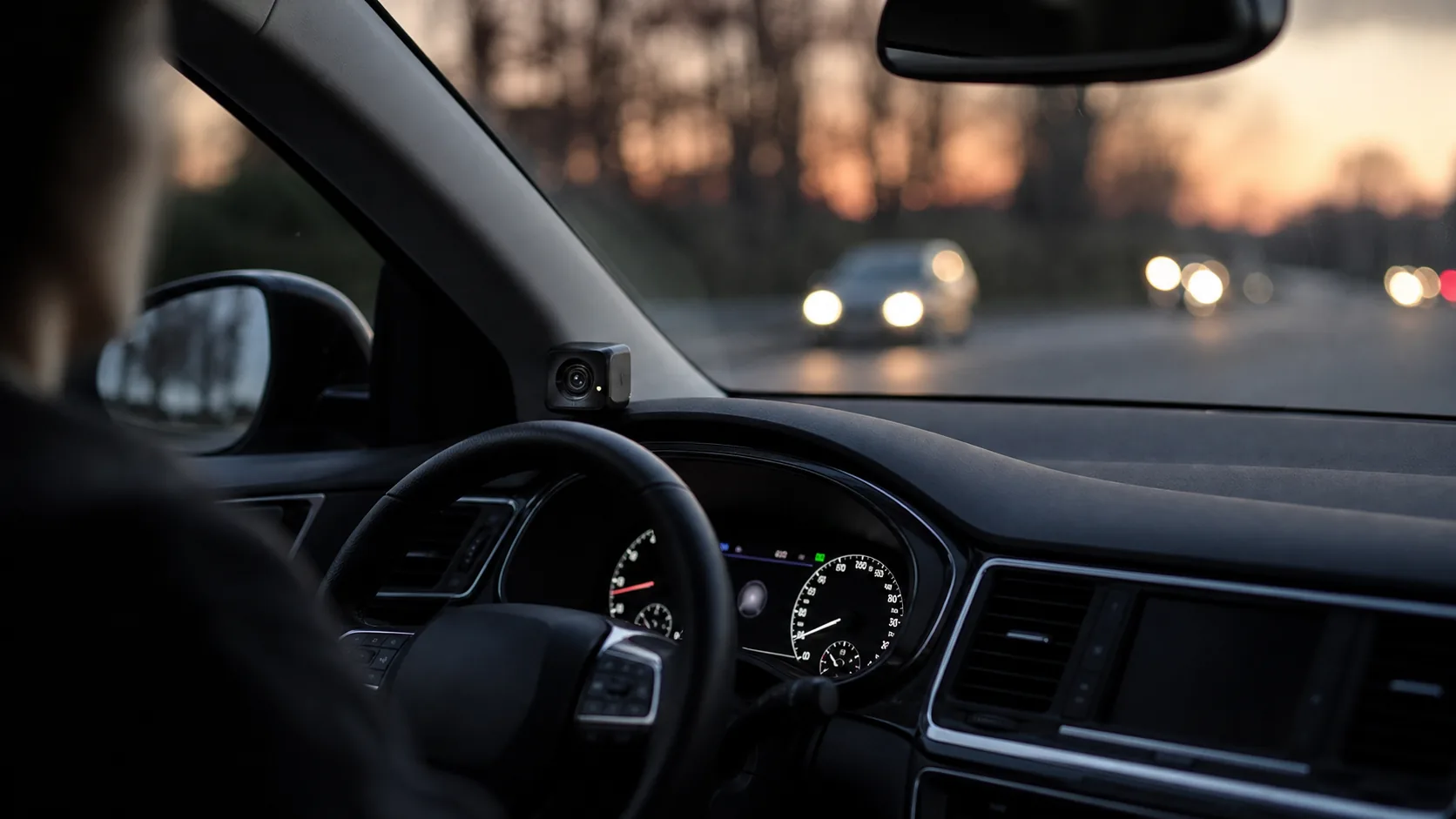
AI image of a modern car interior with a small driver's camera near the dashboard as an illustration of ADDW, road safety and privacy.
Europese Unie, Europese Commissie, EDPB, Euro NCAP en connected-car privacybronnen 10 juli 2026 om 05:07

EU camera in new cars: road safety or start of surveillance infrastructure?

From July 7, 2026, every newly registered car in the EU must have a system that can recognize driver distraction. The official reason is road safety. The critical question is what happens socially when a camera or similar sensor in the car becomes normal, even if the current law says that the system must remain closed and is not intended for identification.

Technology Read analysis

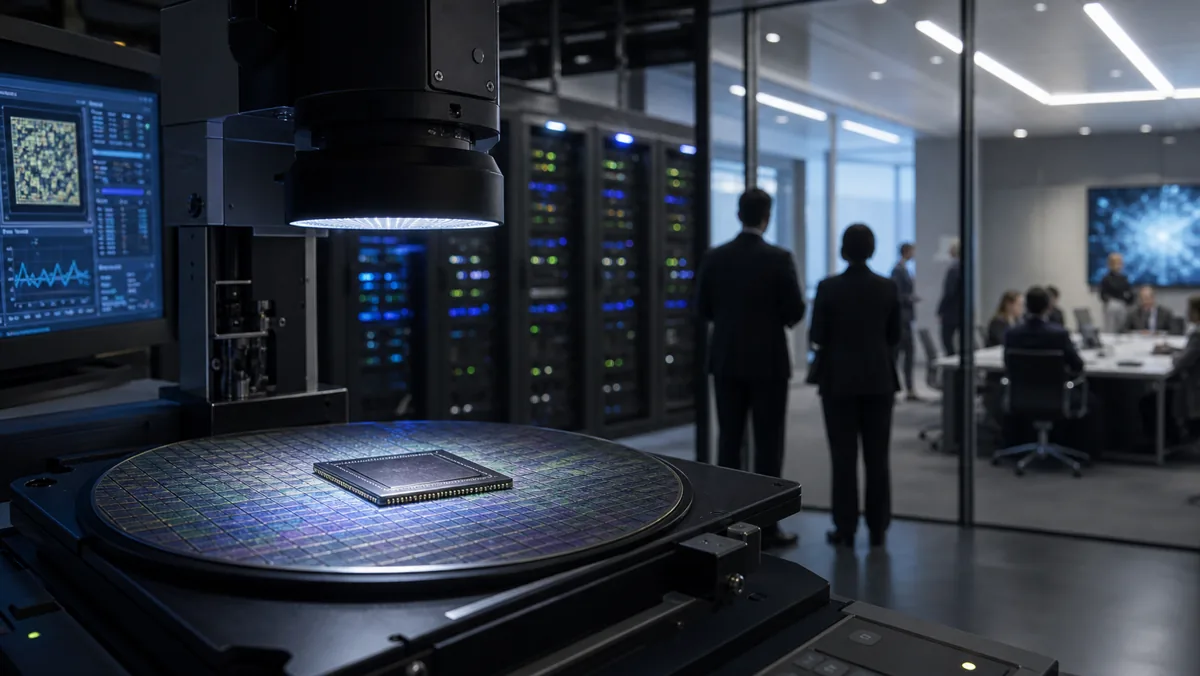
AI image of a chip inspection site with server racks and anonymous consultation participants as an illustration of UN AI governance and human control.
UN News, UN Global Dialogue on AI Governance, UN Independent International Scientific Panel on AI en Global Digital Compact 6 juli 2026 om 22:24

MOZOM analyses: UN AI governance Geneva 2026, killer robots or human control?

AI rules often sound like slow deliberation, until the chips themselves move from data centers to battlefields. In Geneva, UN chief Antonio Guterres made exactly that connection on July 6, 2026: AI is no longer an ordinary software wave, but a security, children's rights, energy and power issue at the same time.

Tech Read analysis
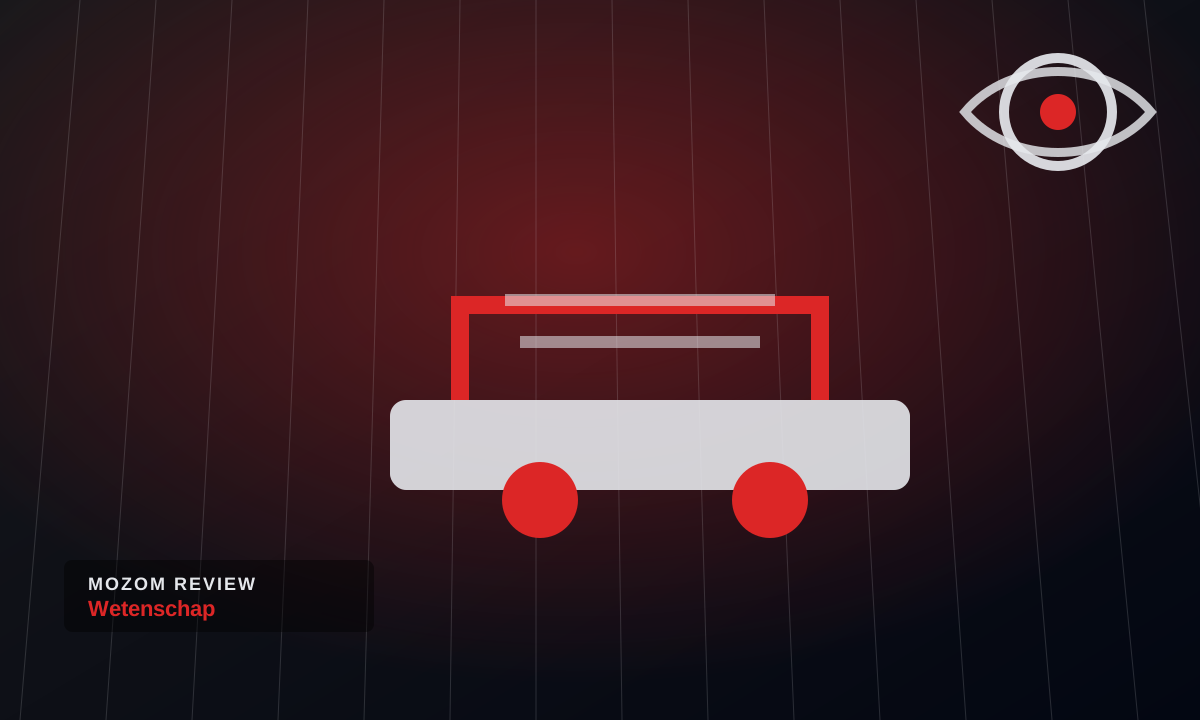
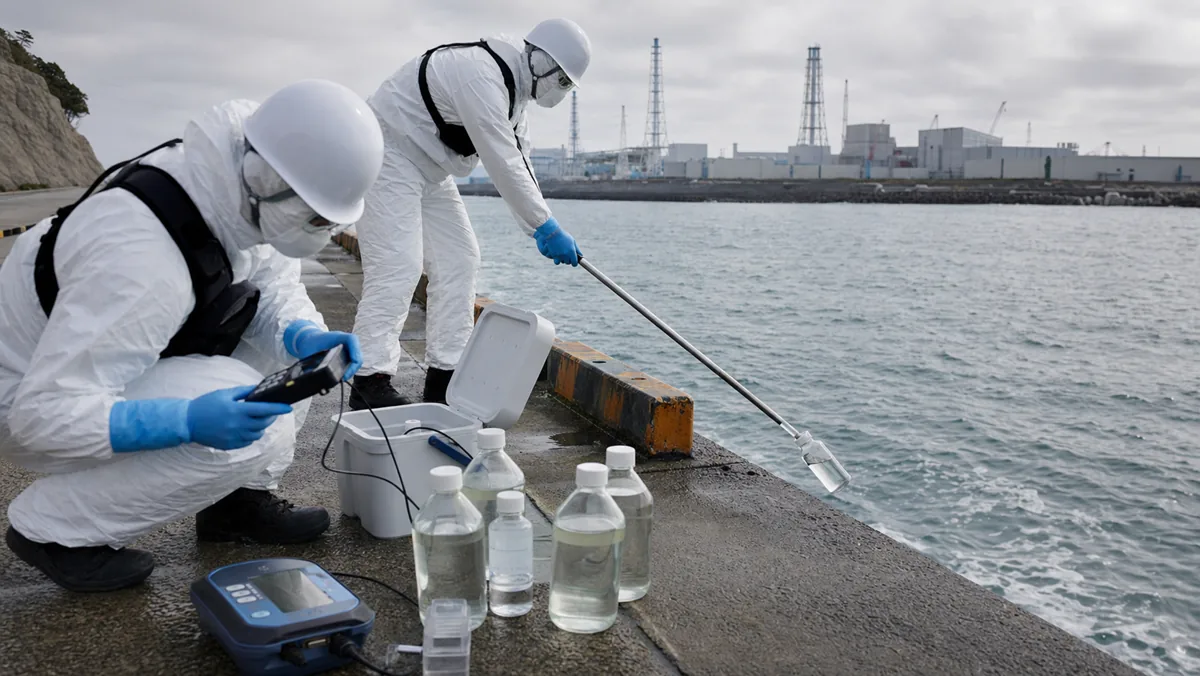
AI image of anonymous monitoring staff taking seawater samples at a generic coastal nuclear site illustrating IAEA monitoring of Fukushima ALPS water.
IAEA, IAEA Fukushima ALPS-data en TEPCO-monitoring 6 juli 2026 om 15:38

MOZOM analyses: IAEA on Fukushima ALPS water, measurement control or trust?

A water sample is small, but at Fukushima it carries great political weight. The IAEA confirmed on July 6, 2026 that the tritium value in the 21st batch of ALPS-treated water is well below Japan's operational limit. Technically that is a measurement result. Socially it is something different: an attempt to keep a years-long trust issue measurable.

Science Read analysis
AI image of an antiquarian bookstore with old books, boxes and a scanner illustrating mass book purchases for AI training.
Tagesschau, NDR, SWR, Boersenblatt, Urheberrechtsgesetz en Bartz v. Anthropic 4 juli 2026 om 15:23

MOZOM analyses: AI companies emptying antique shops, model training or silent culture theft?

AI companies buying out antiquarian bookstores sounds almost romantic: old books are given a final digital destination. But the deeper question is more uncomfortable. When rare or forgotten books disappear en masse from stores to be turned into training data, culture shifts from public reading material to private model commodity. Then the purchase is legal, but the power question is far from resolved.

Tech Read analysis